

Artesia Little League Junior All-Star team wins District and advances to the State tournament

Scenes from Arteisa All-Star Little League Junior baseball against Carlsbad

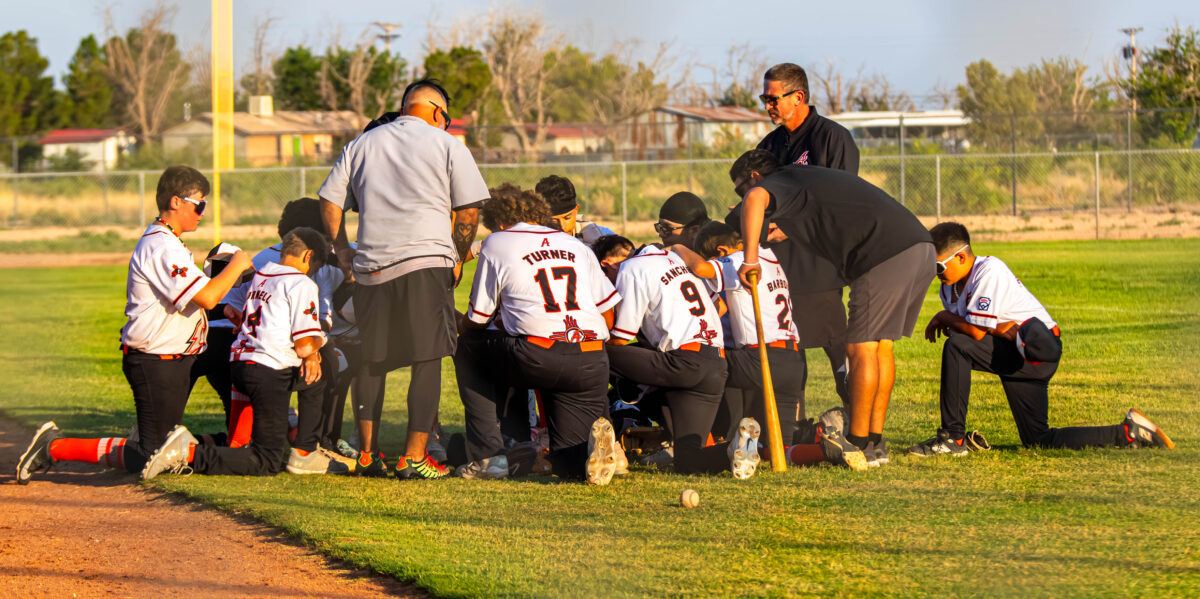
The team gathers around before the game on Monday, June 15, at Bob Forest Sports Complex in Carlsbad.

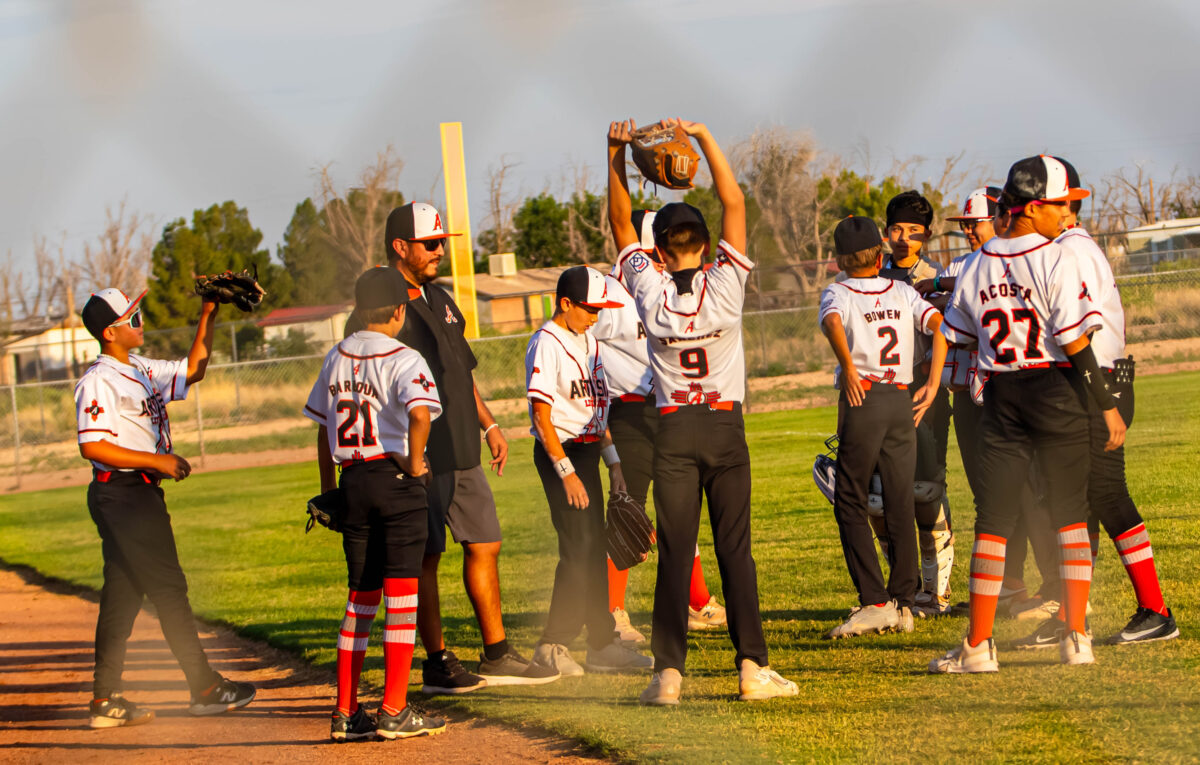

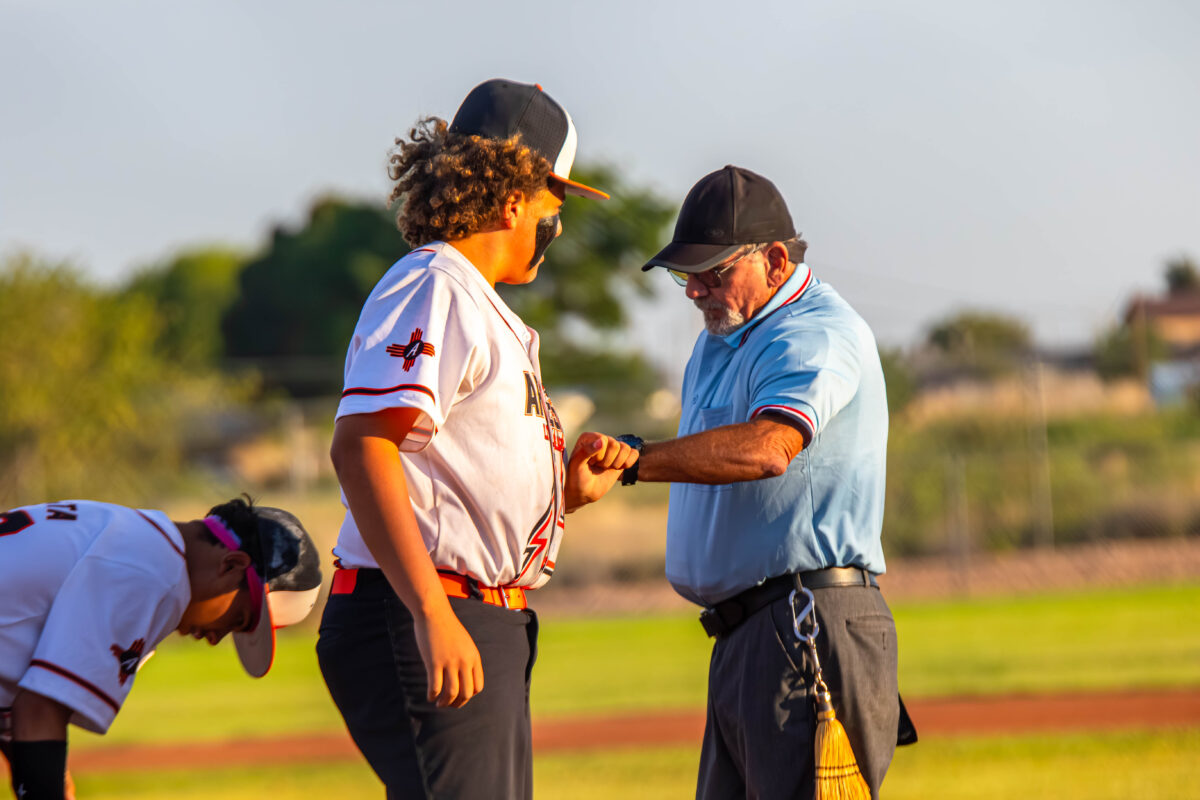


Artesia manager Arron Acosta relaxes while handing in the lineup card on Monday night before the game.




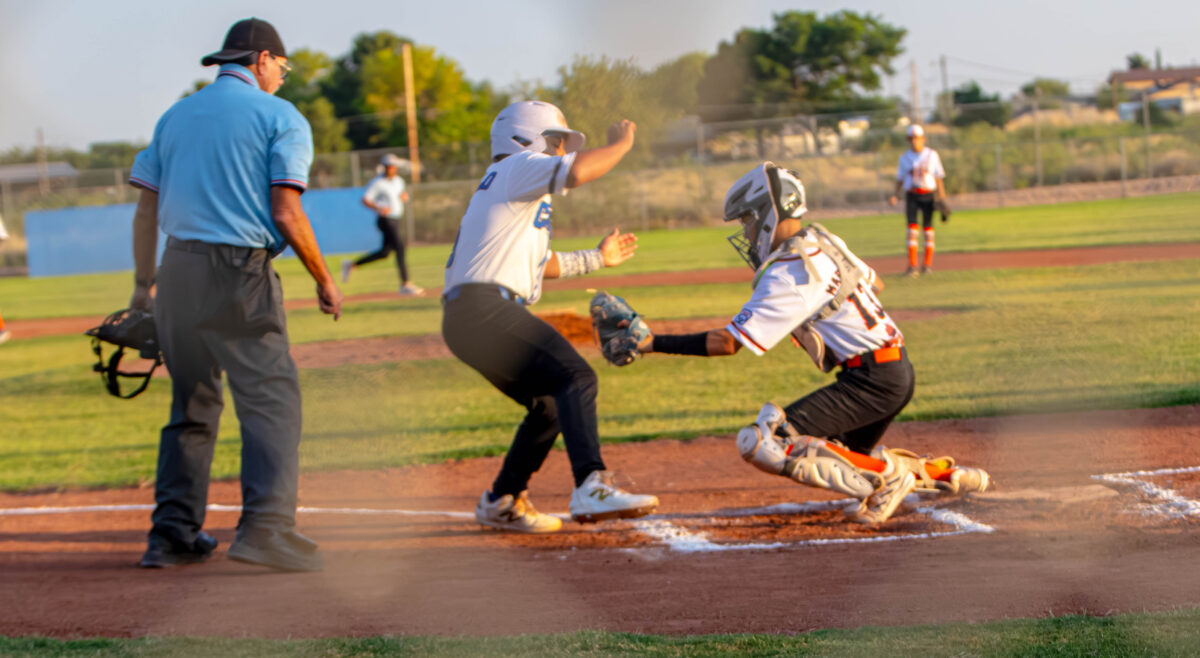
The Artesia catcher applies the tag to the Carlsbad runner for the out to get Artesia out of the inning.






Hitting your favorite fishing spot this summer? Here are some tips to stay cool from New Mexico Department of Wildlife

As you get out on the water this summer, remember that the heat doesn’t just affect you–the fish feel it too.
Fish are most active during the cooler parts of the day, which means the early mornings and late evenings. As water temperatures rise, dissolved oxygen levels in the water decrease, increasing stress on fish during the summer months. This means that when a fish is caught and brought out of the water, it has less oxygen available to recover.
Always practice proper handling techniques when fishing. Keep fish in the water as much as possible while removing hooks or taking photos. Better yet, if conditions allow, leave the fish in the water entirely. Reducing handling time can help improve the chances of survival for released fish.
Consider your tackle, too. Using barbless hooks or crimping your barbs makes hook removal faster and less traumatic for the fish. This small change can make a big difference on a hot day. If you’re targeting trout, avoid using thin wire or ultralight line that prolongs the fight and exhausts the fish before you can get it back in the water.
If a fish appears lethargic after being landed, take a moment to revive it before letting go. Hold the fish gently upright in the water, facing into any current and wait until it swims away on its own. Never toss a fish back or force it forward; instead, let it tell you when it’s ready.
To beat the heat, anglers may also want to consider fishing at higher-elevation lakes and streams, where water temperatures often remain cooler throughout the summer. New Mexico offers excellent high-country options, from the streams of the Jemez and Sacramento mountains to alpine lakes in the Pecos and Carson National Forests.
Watch the water temperature. If you have a stream thermometer, use it. Water temperatures above 67°F can begin to stress trout, and above 70°F, catch-and-release fishing can do more harm than good. On the hottest days, it may be worth packing up early or switching to a warmwater species like bass or catfish that handle the heat more comfortably.
Culinary Confidential: Father’s Day Feast a hearty meal for dad and family

Father’s Day calls for a meal that is bold, hearty, and memorable. A thick-cut rib eye topped with rich Hatch garlic butter creates a steakhouse-quality centerpiece paired perfectly with creamy mashed potatoes and colorful roasted vegetables.
INGREDIENTS
• 2 thick-cut 16 oz rib eye steaks
• 2 tablespoons olive oil
• Salt and cracked black pepper
• 1 teaspoon smoked paprika
• 1 teaspoon garlic powder
• 4 tablespoons unsalted butter, softened
• 2 tablespoons roasted Hatch green chile, diced
• 2 cloves garlic, minced
• 1 teaspoon chopped parsley
• 2 pounds Yukon Gold potatoes, peeled and cubed
• 4 tablespoons butter
• ½ cup warm cream or milk
• 1 cup chunky carrots
• 1 cup zucchini chunks
• 1 red bell pepper, chopped
• 1 yellow squash, chopped
• 1 small red onion, wedged
• 2 tablespoons olive oil
DIRECTIONS
Prepare the Butter: Mix softened butter with roasted Hatch chile, garlic, parsley, and sea salt. Refrigerate until ready to serve.
Roast the Vegetables: Preheat oven to 425 degrees. Toss vegetables with olive oil and seasoning. Roast 25–30 minutes until caramelized.
Make the Potatoes: Boil potatoes until fork tender. Mash with butter and warm cream until smooth and fluffy.
Cook the Rib Eye: Season steaks with salt, pepper, smoked paprika, and garlic powder. Sear or grill 4–5 minutes per side for medium-rare. Rest steaks 5 minutes and top with Hatch garlic butter.
SERVING SUGGESTIONS
Serve the rib eye over creamy mashed potatoes with roasted vegetables arranged alongside. Garnish with parsley and an extra pat of Hatch butter for a dramatic presentation.
ABOUT THE AUTHOR
Bruce Lesman writes food and hospitality features celebrating comfort cuisine, Southwestern flavors, and memorable dining experiences inspired by restaurant-quality cooking at home.
Bruce previously held leadership positions as Corporate Food & Beverage Director for Cunard and Seabourn Cruise Lines, Vice President for Canyon Ranch Wellness Resorts, and Lead Consultant for Miami Culinary Institute.
Rick Smith: What is Intercessory Prayer?
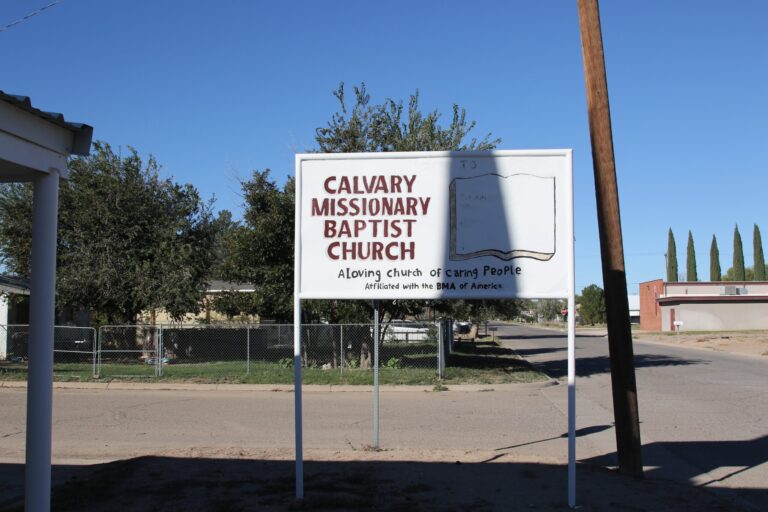
“If any man see his brother sin a sin which is not unto death, he shall ask, and he shall give him life for them that sin not unto death. There is a sin unto death: I do not say that he shall pray for it. All unrighteousness is sin: and there is a sin not unto death.” (1 John 5:16).
These two verses out of 1 John chapter 5 are among some of the most difficult passages to interpret. It is not because they are not clear, but because of the two different sins: the sin unto death and the sin not unto death. In particular, the sin unto death is difficult to identify. The phrase “sin unto death” is not found anywhere else in scripture. Some have speculated that this is the “unpardonable sin”. Others that it is a sin that the law required the death penalty. And there are other speculations on what this sin, or category of sin, is. So leaving speculation, lets focus our attention on those things that we can know.
First, we should always seek to intercede with God in prayer for a sinner, saved or lost. “If any man see his brother sin a sin which is not unto death, he shall ask, and he shall give him life for them that sin not unto death.” The Law is clear: “Thou shalt not hate thy brother in thine heart: thou shalt in any wise rebuke thy neighbour, and not suffer sin upon him.” (Leviticus 19:17). The first step in restoring a sinning brother, or bringing a lost soul to salvation in Christ, is to intercede for them in prayer. Prayer is the first step in either case. Then, with as sinning brother, we can follow the rest of the steps in found in Matthew 18:15-17 and elsewhere in the letters of Paul to restore him. If you want your loved ones to be saved, then you ought to be interceding for them in prayer to God for their salvation. The first and last step is always intercessory prayer.
Why do we intercede in prayer for sinners? Because God answers intercessory prayer according to His will. “…he shall give him life for them that sin not unto death.” We are taught to pray that God’s will will be done on earth as it is in heaven (Matthew 6:10). Some feel that it shows a lack of faith to pray asking God to answer according to His will. If that is so, then Jesus in the garden showed lack of faith when he prayed, “Yet, not my will, but thine be done.” We must intercede, but it is God Who does everything according to His Own will.
We also intercede for sinners and saints alike, because it is our duty. James tells us that we ought to pray for one another. “Confess your faults one to another, and pray one for another, that ye may be healed. The effectual fervent prayer of a righteous man availeth much.” (James 5:16). 1 Thessalonians 5:17 tells us that we are to “…Pray without ceasing.” It would be a shame that we focus all our prayer on ourselves and not on others. We are to pray especially for the saints, for Christians. “Praying always with all prayer and supplication in the Spirit, and watching thereunto with all perseverance and supplication for all saints…” (Ephesians 6:18).
Sometimes it is not God’s will for us to intercede for the sinner in prayer. Sometimes it is too late to pray, because God’s judgment has fallen on the sinner to his destruction. Sometimes God says stop praying. Three times God to Jeremiah to stop praying for Judah (Jeremiah 7:16; 11:14; 14:11). Jeremiah 7:16 says, “Therefore pray not thou for this people, neither lift up cry nor prayer for them, neither make intercession to me: for I will not hear thee.” If a person dies suddenly, then there is no need for us to pray for that person. Remember, “ And as it is appointed unto men once to die, but after this the judgment…” (Hebrews 9:27). These are things that are in God’s hand and according to His will.
So I tell you to pray for one another if you are a Christian. You intercede for me and I will intercede for you, and all of us will intercede for our lost and hell bound relatives and friends. Remember “…let us not be weary in well doing: for in due season we shall reap, if we faint not.” (Galatians 6:9). And if you are far from God, then know that I am praying that you will repent and trust in Jesus Christ as your Lord and Savior.
If you have any questions, we invite you to visit with us this Sunday. Worship at 10:50 A.M. We are located at 711 West Washington Ave. Check our sermon videos on Youtube @ricksmith2541. Send comments and prayer requests to prayerlinecmbc@gmail.com.
Feds deny state’s safety concerns at WIPP
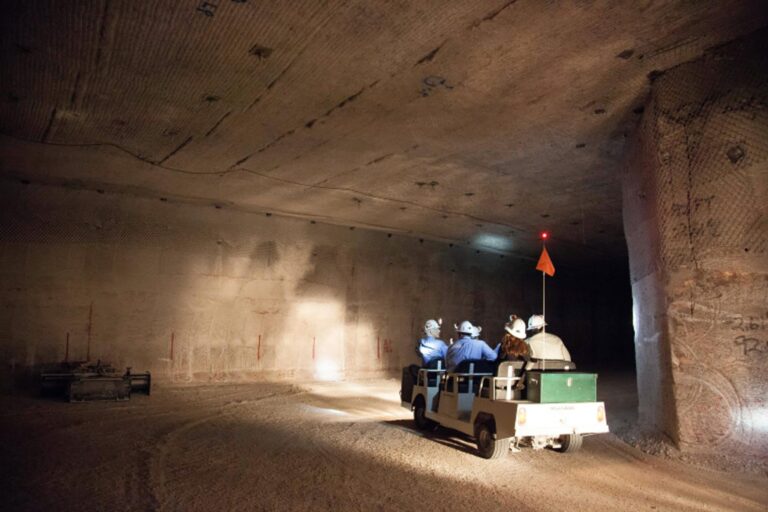
Federal officials continued to deny any threat to worker safety at the nuclear waste site near Carlsbad, despite the state’s allegations of potential hazards.
The New Mexico Environment Department in June 2025 issued an administrative compliance order to the U.S. Department of Energy and its contractor SIMCO (Salado Isolation Mining Contractors), which operates the Waste Isolation Pilot Plant.
The state agency’s order found the nuclear waste repository in violation of state regulations amid concerns that the five hoists that bring waste down to the underground for disposal and lift workers and mined salt to the surface were in poor condition.
The order called on the federal government to take a series of corrective actions and provide a schedule for such activities, including “no fines or punitive measures.”
The Department of Energy and SIMCO filed a motion in response on Aug. 25, 2025, challenging the order and calling for its dismissal, a move that triggered a public hearing held June 2-3 before the environment department, which will issue a final ruling in the coming months.
At WIPP, the Energy Department disposes of transuranic nuclear waste (TRU), which is clothing materials, equipment and other debris irradiated during nuclear activities.
The waste is buried at WIPP in a salt deposit about 2,000 feet underground. The salt gradually collapses on the waste, burying the refuse and blocking radiation from escaping. That work is conducted under a state permit held by the federal government and overseen by the environment department.
The state of New Mexico said it found a series of violations of its permit via alleged failures to maintain infrastructure, including the hoists and underground electrical substations, along with evacuation equipment and data on the condition of WIPP’s infrastructure.
The environment department also contended the federal government did not properly document equipment inspections or adequately prove the hoists could withstand dangerous events such as earthquakes.
State cites federal reports of degraded infrastructure
Concerns similar to the state’s were described in a June 25, 2025 report from the U.S. Government Accountability Office (GAO) and another on June 18, 2025, by the Defense Nuclear Facilities Safety Board (DNFSB) – both agencies within the federal government, and both cited by the state of New Mexico in its order.
In its May 4 response to the energy department’s motion to dismiss the order, the New Mexico Environment Department noted that it did not perform its own inspection to corroborate the GAO or DNFSB reports but said both agencies provided “credible federal oversight.”
The compliance order did not stipulate any fines or penalties, the response noted, but called for the federal government to furnish to the state of New Mexico a schedule and plans to repair the hoists.
“The Department issued the (compliance order) after becoming aware of information that significantly calls into question the reliability of critical safety equipment at a facility that handles some of the most dangerous and toxic material in the world, and that has a history of permit violations and major accidents,” read the state’s response.
“The (order) does not require much from the Permittees, only to cooperate with and keep NMED informed as these deficiencies are corrected.”
Sheila Davis, SIMCO vice president of environmental safety, said during the second day of the state hearing on June 3 that she believed the WIPP facility was properly maintained and in good condition to continue disposing of nuclear waste while maintaining worker safety.
She said this was assured through the contractor’s constant monitoring of the facility, both on and below the surface, and that the department’s Carlsbad Field Office sets and enforces performance standards including maintenance of WIPP infrastructure.
“If we have aging issues, those are addressed with the responsible managers,” Davis said. “I think WIPP has a very strong record. We do not put hoists in operation if they do not pass inspections.”
Davis argued that there had been “no fatalities or lost-time injuries” among workers related to the site’s hoist system. She said most safety and infrastructure issues or state citations found at the site were insignificant and quickly corrected.
“The vast majority are minor and remedied during the inspection,” Davis said when asked if she disagreed with the state’s assertion that the WIPP facility is unsafe for workers. “I have never found anything indicating a systemic issue or a safety issue with regards to WIPP’s hoisting system.”
Managing Editor Adrian Hedden can be reached at 575-628-5516, or @AdrianHedden on the social media platform X.
Descending the cave: Carlsbad National Park marks ‘Cave Week’ with rappelling demonstration
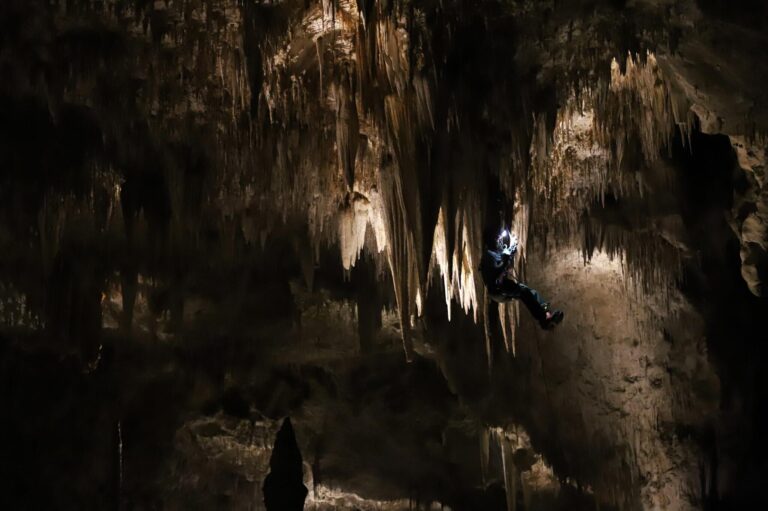
A park ranger fastened a rope to her harness 750 feet underground, in the sloping shadows of Carlsbad Caverns on Wednesday morning.
From a vantage point with seating, a crowd looked on as the ranger scaled about 50 feet of the rope, bending and straightening her legs in a motion known in the climbing world as the “frog” ascending system.
Park rangers said the rope was originally installed by attaching helium balloons and floating it up to the cavern roof, where it was then attached.
The process is repeated about every 10 years.
“It’s so brave to be the first person to go up that,” a visitor, Kalah Tipton, 38, said.
The climbing demonstration took place as part of “Cave Week,” an effort among national parks to celebrate and teach people about caves. Carlsbad Caverns hosted climbing and rappelling demonstrations every day until Sunday, as well as presentations about repairing damaged cave formations and the cavern’s bat population, and activities like post card-making and selfies with the national park’s bat mascot.
With the completion of Cave Week, Carlsbad Caverns will host their annual Dawn of the Bats event, celebrating the daytime exodus and nighttime return of their bat population, in July.
People from across the U.S. and world were in attendance at the caverns during the week-long celebration.
Two attendees at Wednesday’s demonstration, Tommy Wright, 23, and Nadia Nijjer, 22, visited the park as part of a month-long road trip through several national parks.
Wright of Australia, recently graduated from Melbourne University with a degree in engineering and Nijjer earned her bachelor’s degree in philosophy and history from Florida State University.
“I think that there’s something unique about being underground in a place that also is so cavernous,” Wright said. “It’s a scenario which you’re almost never in traditionally.”
For the demo, a few park rangers climbed the rope using both the “frog” system and the less intensive “ropewalker” system, where climbers lift their legs as if walking up a staircase. Najjir said she and Wright had rock climbing experience, but were not familiar with the methods used in the caverns.
“That’s pretty damn cool,” Nijjer said. “I would love to climb in here.”
The rope extended up 255 feet to a cave feature above, known as the “Spirit World” because it resembled a ghost.
“I did some caving with my dad when I was younger, and I’ve only ever seen people go down into caves,” Wright said. “I can only imagine how it looks like, looking down from the top. I’m getting vertigo just looking up at it.”
Tipton’s father Kinley Redford, 62, said their Wednesday visit brought back memories. He said he visited the caverns as child and wanted his kids to experience it as well, in something of a family tradition.
“When [Tipton] and her brother and sister were little, they were like, ‘We’re driving all the way to look at a hole in the ground,’” Redford said. “It’s a lot more than that.”
Jose Garcia: Yogi’s Fork, New Mexico
As Yogi Berra famously said, “When you come to a fork in the road, take it!” At the bottom of the barrel among states, New Mexico’s political system is stuck at Yogi’s fork: lots of handwringing, finger-pointing and false starts, but no forward movement. This is not because we don’t know which road to take – better health, prosperity and opportunities for citizens to pursue happiness. We all want these. And we know how to get there: quality education, even-handed justice, social harmony, investments that benefit the whole. These have been reliable paths to prosperity and tranquility in the Western tradition at least since Plato’s “Republic” was written 2400 years ago. There is no mystery here. The mystery is why we seem unable to embark on well-worn paths to well-being, while dropping lower and lower in the standings.
A dirty little secret of New Mexico’s politics is that blocking serious reform legislation has become routine, a game played by all. Lobbyists have long since outnumbered legislators, and they come in all shapes and colors. Everyone has lobbyists and they all maximize their quota of political clout. The result is often gridlock. The problem is not a lack of power; it is too much power, especially the power to veto when solutions might disturb the narrow interests of a powerful few. Legislators have adjusted by nurturing an internal culture that gestures at important issues with halfhearted measures that don’t get to the core of the problem but allow them to pretend progress is being made. Governors have learned to abandon core provisions of a bill while preserving a tough-sounding title on it and celebrating a watered-down version as a historic victory. Sound familiar?
An example: A quarter-century ago President George W. Bush instituted performance grading in each classroom, school district and state. The idea was to hold educational institutions accountable for student achievement. In New Mexico, the educational establishment – NEA, AFT, superintendents of school districts, legislative committees, etc. – simply used legislative clout to dilute and complicate reporting requirements, making it much more difficult for citizens to learn how their schools were performing. The Legislature nodded at the problem of low scores by increasing educational funding. But this did not solve the commitment-to-improve issue. The outcome? The education system today is flush with cash but student scores have not improved. Activity at the fork, but no step forward. In other ways, too, the education establishment, while gobbling up over half the budget, has become the greatest single obstacle (there are others) to improving student achievement. This last sentence needs to be repeated out loud.
The welfare of vulnerable children? After eight years of fixing New Mexico’s Children, Youth and Families Department – the governor’s purported top priority – that agency by most accounts is worse now than it was eight years ago. But, as with education, spending for this creepy agency increased dramatically.
Ask a legislator why education and CYFD haven’t improved. You will likely get a backflip and a yoga posture and then a lecture about the need to address homelessness and crime in Albuquerque.
When the Supreme Court in 1976 began to define the use of money in campaigns not as enticement but as free speech, interest groups became much more dominant in elections, especially in primaries, where more fanatical “base” voters turn out to vote than the moderate majority. Gerrymandering allows us to predict the winner in most general elections, so in many districts winning the primary is tantamount to winning the position. A lot of mischief derives from this. You killed my half-baked bill? I will find a candidate and money to beat you in the primary. Attack the SOB in language the base will understand. If the base is progressive, run expensive ads accusing him of taking dark money from oil and gas. If conservative, accuse him of promoting transgenderism and open borders. Sound familiar?
Can we reverse this trend? The most dramatic action would be to throw out every incumbent – not because they are all rotten, but because it would serve notice the current model is unacceptable. Even 50% would do. The next crew might pay more attention to what voters want. But delightful as this thought might be, it is unlikely to happen.
Other solutions? California just finished a primary in which all candidates run and the top two, regardless of party, compete in the general election. This reduces the need to grovel to the base in each party, presumably resulting in candidates who represent the more moderate middle. In other states, independent redistricting boards are created to make districts more competitive, reducing the pressure on incumbents to toe the line with powerful lobbyists. Here in New Mexico, entrenchment is so severe only the strongest public pressure will get us off the dime at that forlorn corner of the state I call Yogi’s Fork.
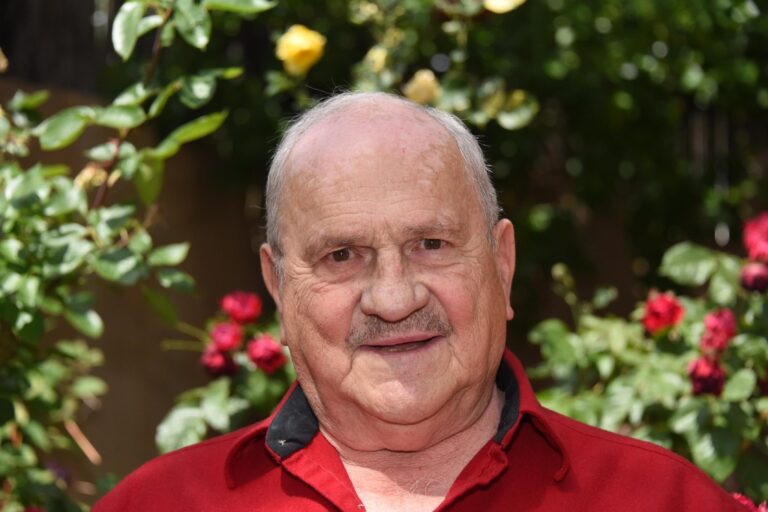
Dr. Jose Z. Garcia is a former New Mexico Secretary of Higher Education, retired University PhD professor of political science, is active in state politics and a columnist for El Rito Media. He lives in Las Cruces and also frequently spends time in Santa Fe where he maintains a residence.
Scores of Artesians gather for Oil Patch Market downtown for weekend fun
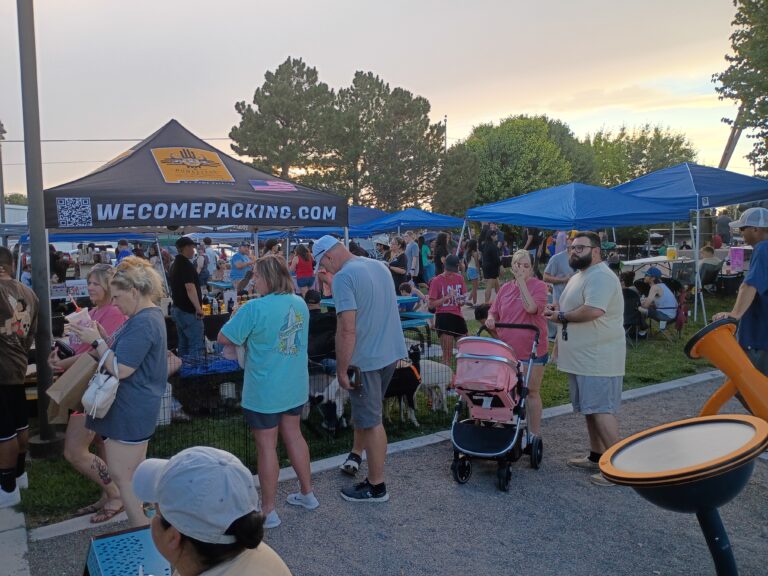
Photos by Mike Smith, Artesia Daily Press
Saturday June 13, residents gathered at the Derrick Floor downtown for fresh food, roasted corn and homemade goodies during the Oil Patch Market put on by Artesia MainStreet.

Fresh corn and other vegetables were sold at the Oil Patch Market.
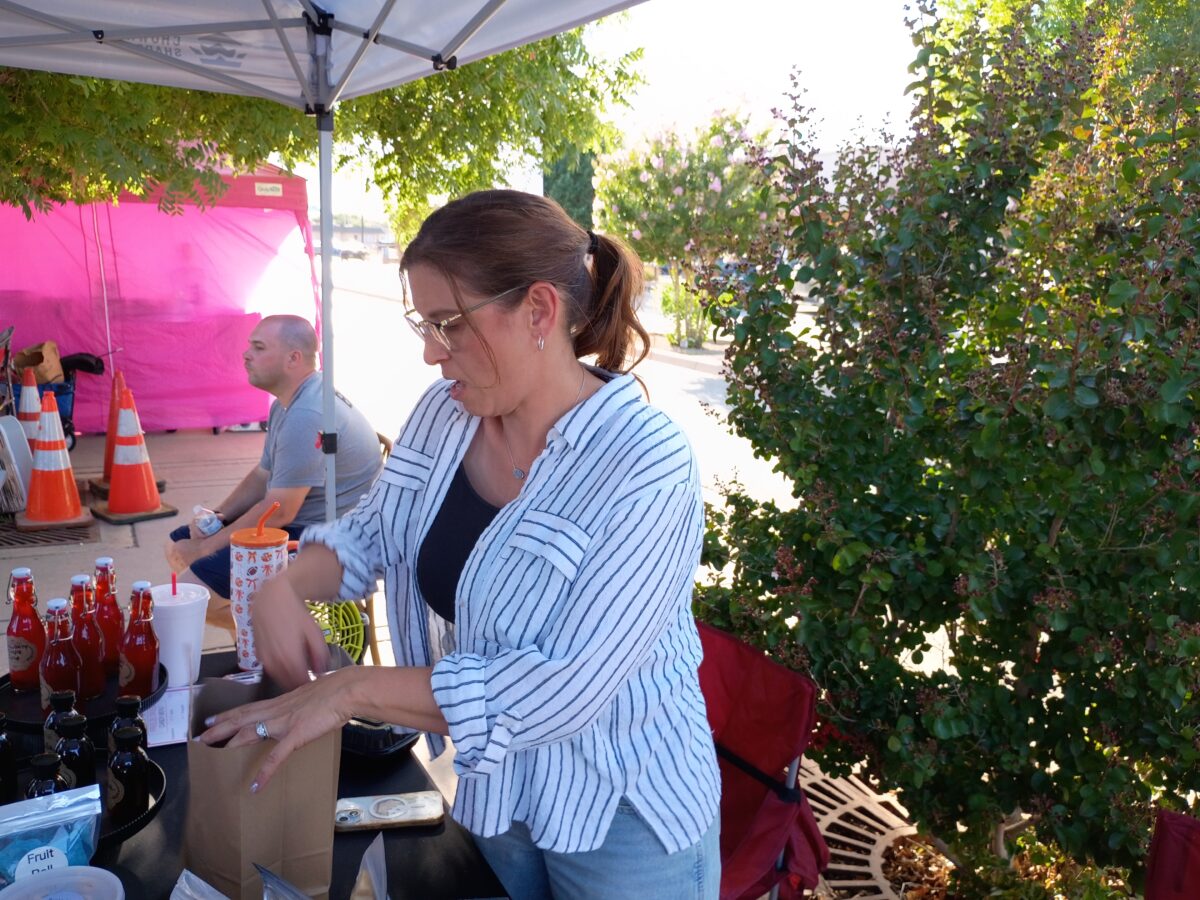
Megan Martin from Martin Acres loads up freeze dried goodies at the Oil Patch Market in Artesia.

Kayla Loeffler from Savor-the-Occasion sold homemade pickles, jams and fresh fruit at the Oil Patch Market.

Nora Beaulieu of Nae’s Dough sold sourdough bread and sweets at the Oil Patch Market.
New Mexico House District 66 race too close to call, recount likely later this month
If the only votes counted in the June 2 race for the Republican nomination to represent District 66 in the New Mexico House of Representatives were those cast in Eddy and Chaves counties, Artesia oil and gas executive Dan Lewis would have won by nearly 300 votes.
But District 66 also includes a chunk of Lea County, where Tatum resident and former Lovington school superintendent LeAnne Gandy amassed a 69% majority and turned a 274-vote deficit into an eight-vote lead.
Complete but unofficial results from the New Mexico Secretary of State’s office show Gandy winning last Tuesday’s primary with 999 votes to 991 for Lewis – 45% to 44.7%. Trinidad Malone of Artesia finished third with 230 votes (10.3%).
Winning the GOP nomination in District 66 is tantamount to winning the November general election since no candidate ran in the district’s Democratic primary. The district’s current representative is Artesia Republican Jimmy Mason, who declined to run for reelection.
Results of the race won’t be official until they’re canvassed and certified by the secretary of state June 23 after being canvassed by county commissioners in the three counties that share the legislative district. And unless canvassing substantially changes the vote totals, Gandy’s razor-thin margin of victory will trigger a recount, according to Lindsey Bachman of the secretary of state’s office.
Bachman said state law requires a recount when the difference between the top two vote-getters is less than 1%.
“If after canvassing the margin between the candidates stays close enough for an automatic recount, then the results will not be certified until after the completion of the automatic recount,” Bachman said.
Gandy said she would welcome a recount.
“A legally cast ballot deserves to be counted and I have full confidence in that process,” she said.
Gandy, 61, has a varied background in business and public education background. She was Lovington Municipal Schools superintendent from 2015 until 2022.
Lewis, 61, chief financial officer of oil and gas exploration/production company Abo Empire, expressed disappointment in the outcome of the hard-fought race.
“I thought I worked really hard at it,” he said. “I had digital ads. I had billboards. I had signs. I sent out fliers. I sent out text messages. It was close, just not close enough.”
Mike Smith can be reached at 575-628-5546 extension-2361.