Home Blog Page 18

Culinary Confidential: A 250-year-old dessert worth celebrating

0

As America approaches its 250th anniversary, there is something especially meaningful about revisiting the desserts that graced colonial tables generations ago. Long before layer cakes and elaborate pastries became fashionable, early American cooks relied on rich butter cakes, dried fruits, warm spices, and treasured family recipes passed carefully from kitchen to kitchen.

One celebratory dessert that has endured for nearly 250 years is the famous “Great Cake,” associated with Martha Washington. This elegant cake became a centerpiece for holidays, weddings, and special occasions throughout the late 1700s. Dense, fragrant, and luxurious for its time, the cake reflected the prosperity and hospitality of early American entertaining.

Today’s version keeps the spirit of the original while making it approachable for modern bakers. Finished with a silky vanilla cream drizzle and fresh citrus notes, it is a beautiful dessert worthy of any anniversary table.

Anniversary Great Cake with Citrus Cream Drizzle

Serves 12

Ingredients

•1 cup unsalted butter, softened

•2 cups sugar

•6 large eggs

•3 cups all-purpose flour

•1 teaspoon baking powder

•1 teaspoon ground cinnamon

•½ teaspoon ground nutmeg

•½ teaspoon salt

•1 cup whole milk

•1 tablespoon fresh orange zest

•1 teaspoon vanilla extract

•1 cup golden raisins

•½ cup chopped toasted pecans

•Vanilla Cream Drizzle

•2 cups powdered sugar

•3 tablespoons heavy cream

•1 teaspoon vanilla extract

•1 tablespoon fresh orange juice

Directions

1.Preheat oven to 325 degrees. Grease and flour a 10-inch tube or Bundt pan.

2.Cream butter and sugar until light and fluffy.

3.Add eggs one at a time, beating well after each addition.

4.Whisk together flour, baking powder, cinnamon, nutmeg, and salt.

5.Alternately add dry ingredients and milk to the butter mixture. Stir in orange zest and vanilla.

6.Fold in raisins and pecans.

7.Pour batter into prepared pan and bake 65–75 minutes, or until a tester comes out clean.

8.Cool cake completely before removing from pan.

9.Whisk powdered sugar, cream, vanilla, and orange juice until smooth. Spoon over cake allowing drizzle to flow naturally down the sides.

Serving Suggestions

•Fresh berries

•Lightly sweetened whipped cream

•Champagne or sparkling cider

•Candied orange peel garnish

Bruce Lesman writes the weekly Culinary Confidential food column featured in regional newspapers throughout New Mexico. His recipes celebrate approachable elegance, Southwestern influences, and timeless American classics designed for home cooks and entertaining alike.

David Grousnick: The yoke Jesus invites us to take

0

There is a wonderful legend concerning the quiet years of Jesus, the years prior to his visible ministry. The legend claims that Jesus the carpenter was one of the master yoke-makers in the Nazareth area. People came from miles around for a yoke, hand carved and crafted by Jesus, son of Joseph.

When customers arrived with their team of oxen Jesus would spend considerable time measuring the team, their height, the width, the space between them, and the size of their shoulders.

Within a week, the team would be brought back, and he would carefully place the newly made yoke over the shoulders, watching for rough places, smoothing out the edges and fitting them perfectly to this particular team of oxen.

That’s the yoke Jesus invites us to take in Matthew 11:16-19, 25-30. Do not be misled by the word “easy,” for its root word in Greek speaks directly of the tailor-made yokes: they were “well-fitting.”

The yoke Jesus invites us to take, the yoke that brings rest to weary souls, is one that is made exactly to our lives and hearts. The yoke he invites us to wear fits us well, does not rub us nor cause us to develop sore spirits and is designed for two.

His yokes were always designed for two. And our yoke-partner is none other than Christ himself.

Running throughout all scripture from the beginning to the end is the theme that ours is a burden bearing Christ. He is not just a Lord whom we burden, and we do, but a Lord who actually solicits our burdens.

There is something quite important for us to understand as we celebrate Independence Day. There is a “flip flop” quality to understanding today’s scripture. It goes counter to our usual way of thinking.

America is the home of Davey Crocket who conquered the “wild frontier” and Wyatt Earp who tamed the “wild west.” We honor and value independence, self-sufficiency, strength and the glory of a “self-made” man or woman.

Surrender is what we did not do.

With brains and brawn, we became a superpower in the world. “Yankee Ingenuity” is the brilliance that made us great. Resisting the yoke others would put on us is the strength that made us free.

Now Jesus comes along to say that wisdom and intelligence did not cut the mustard when it comes to knowing God. Not only is the yoke not to be resisted, but we are also to voluntarily take this yoke upon ourselves and surrender to one who is greater than us!

How counter-cultural can you get? We cannot fight or think or power ourselves into the kingdom of God and the peace of Christ.

Let us all celebrate our heritage, the bad along with the good, but truly focusing on that which is great and eternal! Amen!

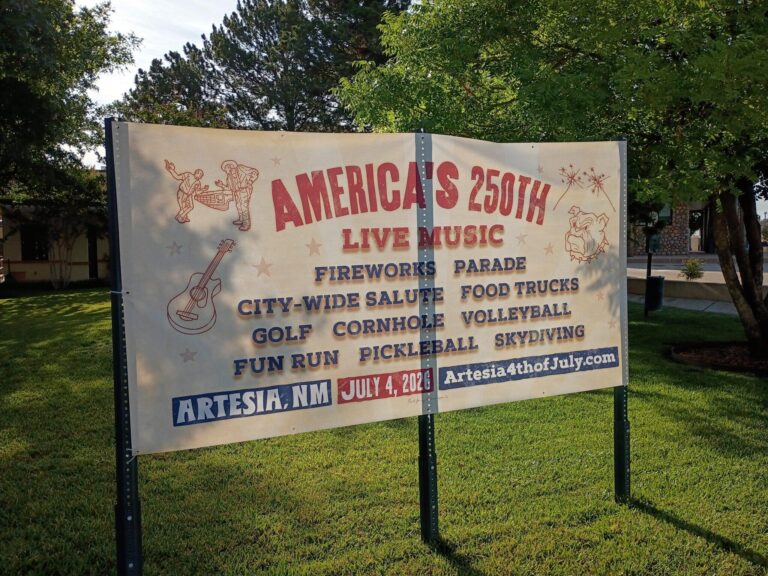
Here’s your guide to the Fourth of July with plenty of activities in Artesia

For America’s 250th birthday, the Artesia Chamber of Commerce is going all out with skydiving, tournaments and a host of other events aimed at bringing in the community.

“We went big,” Executive Director Jessica Bollema said. “We’re here for this milestone year. We’re excited to bring it to Artesia.”

Most activities will take place at Jaycee Park. The main parking lot will be open to vehicles until 6 p.m. or once it becomes full. The south parking lot will remain open for foot traffic.

“You can walk in, bring lawn chairs and enjoy the live music,” Bollema said.

Residents can go to https://www.artesia4thofjuly.com/ for the schedule, to register for specific events and for a list of frequently asked questions.

“This allows us to keep all Fourth of July information on one website,” marketing and events coordinator Kamili Burnett said. “It’s an easy resource. The goal was just to make it more accessible for community members. “

Here’s your guide to Artesia’s Fourth of July Events.

All day

From July 3 through July 5, Viva Skydive will do tandem skydiving at Artesia Municipal Airport.

Artesia Historical Museum and Art Center, in collaboration with Artesia Public Library, will host a free ice cream and hot dog social starting at 11 a.m. on July 3 at 505 West Richardson Avenue.

Eight food trucks will be available at Jaycee Park on July 4: East Coast Eats, Get Smashed, Quenched LLC, Loaded LLC, Snows Smoked BBQ, The Sno Cone Place, Bar Ditch Bistro LLC, Small Town Sips and Aye Que Churro.

7 a.m.

Independence Day will kick off with a citywide salute consisting of a prayer, the pledge of allegiance and the national anthem. Residents can watch the salute at KSVPTV.com or tune in on KTZA 92.9 FM or KSVP AM 990 and 93.7 FM. They can also join the salute live at Baish Veteran’s Park in front of City Hall.

“The citywide salute is going to be a great thing,” Bollema said. “It’s a new addition this year. Our goal is to have the entire community involved.”

The country club is hosting their firecracker golf scramble at 7 a.m. Artesians can pay $400 to have a team, $100 to become a sponsor with signage on the golf course, or $500 for both.

The Stars, Stripes and Dinks Pickleball Tournament will happen at Jaycee Park in three divisions: beginner and intermediate with 16 players each and advanced with 20 players. The event is a partner-switch-style tournament where people register individually and are paired with a new player for each round.

Cash prizes will be awarded for the top two winners across each division. The cost of entry is $20, and residents should text 575-308-8019 or 575-703-5223 prior to June 24th to join the tournament.

7:30 a.m.

The Star-Spangled Dash 5K Fun Run will begin in Baish Park. The race is $10 per person; kids run for free.

8 a.m.

Registration opens for the 9 a.m. 4v4 Co-ed Volleyball Tournament at Jaycee Park. Each game has a limit of two men, and players are guaranteed at least three games. The cost is $20 per person, with cash prizes for the first, second and losers’ bracket winners. Artesians can contact Trent Taylor at 575-703-1406 with questions.

Registration also opens for the 9 a.m. “Let Freedom Ring” Patriotic Parade organized by Elks Club D.O.E.S. The parade is free to enter and will start at the Bulldog Bowl. The parade route down Main Street be found at the chamber’s Fourth of July website.

3 p.m.

The Beer & ‘Rita Garden, hosted by the restaurant Adobe Rose, will be open from 3 to 9 p.m. across from the stage.

3:30 p.m.

Top Dog Cornhole will host a double elimination cornhole tournament in Jaycee Park. People will automatically be assigned partners and must register in advance on Scoreholio.

Live music in Jaycee Park

Country musician Aiden Logsdon will perform at 3 p.m., followed by rock & roll artist ShineOla at 6 p.m.

9 p.m. or dark

Brad Knowlton will produce the fireworks show with J&M Display at Jaycee Park. Bollema said that in requesting donations for the show, her team “got a little creative this year.”

“Twenty-six dollars for 2026,” she said. “Forty-seven dollars for the 47th president. We even have $76 dollars for 1776. It’s kind of all over.”

Bollema added that many people came together to organize the event.

“It takes a village to put all of these things on,” Bollema said. “From the Artesia Public Library to the Museum to the Elks Club Does who do the parade every year, there’s a lot of people who have their hands in this.”

In doing so, the city aims to get residents interested and engaged on Independence Day.

“We want people to get involved,” Bollema said. “Whether you’re at the golf course getting ready to tee off, or at Jaycee Park waiting to play pickleball or volleyball, or whether you’re at home drinking a cup of coffee at 7 a.m.”

Gandy wins District 66 seat after recount

0

An automatic recount triggered in the District 66 House race yielded the same results as primary day June 2.

Leanne Gandy, a Republican from Tatum, came out on top over Republican Dan Lewis of Artesia by a 8-vote margin. Gandy received 999 votes to Lewis’ 991 votes.

The third contestant was Republican Trinidad Malone who got 230 votes in the primary and did not make the recount. There was no Democrat in the race, meaning Gandy will likely run unopposed in the Nov. 3 General Election to replace Jimmy Mason in the State House after the incumbent announced earlier this year he would not seek reelection.

The district includes Lea, Chaves and Eddy counties and county clerk’s offices in all three said there was no change. The recount, required by state law due to the margin of victory, was held June 29. In Lea County, it was at the Lea County Road Department and attended by Gandy and her family, Lewis and Carol Parrish, chairwoman of the Lea County Republican Party.

“I want to thank every single voter across Eddy, Lea, and Chaves counties who trusted me with this opportunity,” Gandy said. “This district deserves a representative who will fight Santa Fe for our oil and gas jobs, stand up for our schools, and never forget where she came from. I am ready to do that work.”

A lifelong resident of southeastern New Mexico, Gandy brings more than 30 years of service as a classroom teacher and school administrator across the district. Her husband runs a third-generation oil and gas operation, giving her both deep personal roots and a direct stake in the industries that power this region’s economy.

“The recount is over. The result stands. Now it is time to bring this community together and take the fight to Santa Fe,” Gandy added. “I have nothing but respect for the democratic process, and every confidence in our county clerks and election officials who carried it out with integrity.”

Lewis applauded the counties that conducted the recount.

“All the county clerks do an excellent job. The original vote and the recount tied exactly,” Lewis said in a text message, noting he will likely run again for the seat when it comes up for reelection in 2028.

“God willing, I will try again in two years, hopefully with just two candidates,” Lewis said.

Union raises safety concerns at WIPP as higher radiation exposure possible

0

Workers could face higher doses of radiation at a nuclear repository near Carlsbad under a proposed change in federal policy.

U.S. Energy Secretary Chris Wright earlier this year called for removal of the so-called ALARA (as low as reasonably achievable) principle that guides how the agency limits worker exposure to radiation at nuclear facilities.

In a Jan. 9 memo to department leadership, Wright pointed to a May 23, 2025, executive order issued by President Donald Trump that stated the U.S. nuclear sector had “succumbed to overregulated complacency” and demanded federal agencies remove policies that could slow the development of nuclear energy.

The ALARA principle was first devised in 1954 and has since been used by the federal government to require that workers avoid exposure to radiation that does not provide a direct benefit, regardless of the dose – big or small – according to the Centers for Disease Control.

Wright’s memo suggested that radiation doses up to 10,000 millirems per year were not proven to be harmful, and argued new regulations could use such a benchmark instead of requiring doses be “as low as possible.”

A millirem is a unit of measurement equal to 1/1000 of a rem, typically used to calculate the level of exposure to radiation for a person by measuring the rate that it breaks down in human tissue.

The average U.S. resident is exposed to about 620 millirems per year, according to the Nuclear Regulatory Commission.

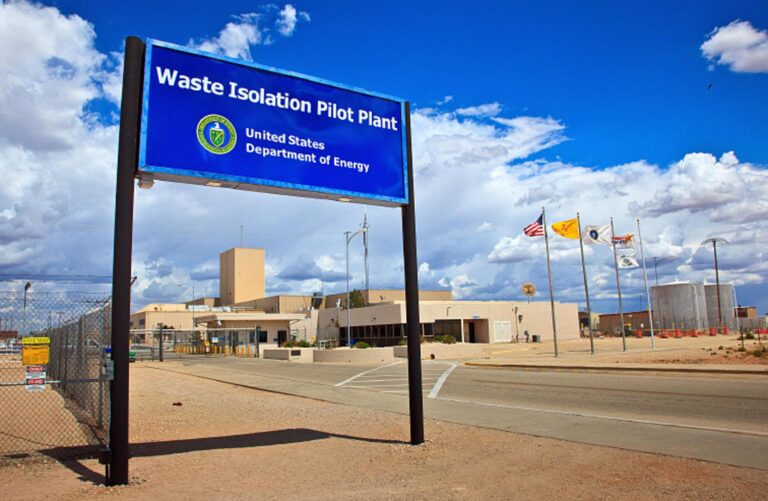
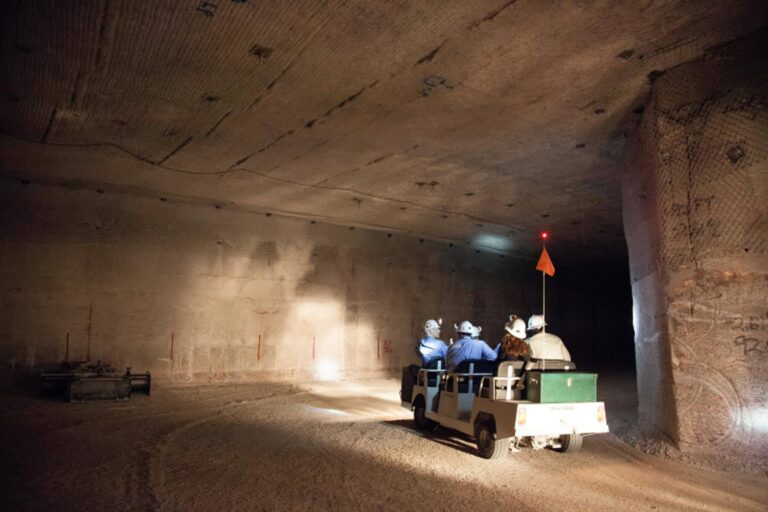
At the Waste Isolation Pilot Plant (WIPP) near Carlsbad, the Energy Department disposes of transuranic nuclear waste (TRU), which is clothing materials, equipment and other debris irradiated during nuclear activities.

The waste is buried at WIPP in a salt deposit about 2,000 feet underground. The salt gradually collapses on the waste, burying the refuse and blocking radiation from escaping.

Workers who handle the waste, maintain the underground and mine new disposal areas are represented by the United Steelworkers (USW) Local 12-9477.

The USW also represents workers at other energy department sites that send waste to WIPP including the Hanford Site in Washington and the Idaho National Laboratory.

James Cobb, union president at WIPP, works as a hoist man maintaining the facility’s elevator system that moves people in and out of the underground, lifts mined salt to the surface and lowers waste for disposal.

In a June 5 interview, Cobb said eliminating the ALARA standard could lead to higher radiation exposure and subsequent health impacts for workers.

Cobb said WIPP is not a “high dose” facility but the possibility the dose could increase without the ALARA principle in place was troubling. He said the change could prove dangerous at higher-radiation sites where the union represents workers and where nuclear weapons are developed, such as the Hanford Site.

“We’d like to leave it where it is,” Cobb said. “It’s a major concern, even for us (WIPP workers). We could get a higher dose. Our concern is people end up having cancer.”

Valerie Gohlke, spokesperson for the Department of Energy’s Carlsbad Field Office, said the change was unlikely to affect the WIPP site and would ensure nuclear operations throughout the U.S. “are more efficient.”

Gohlke said the highest dose received by any worker at WIPP was less than 100 millirems per year, compared with the Department of Energy’s agency-wide limit of 5,000 millirems annually.

“These new regulations would have little if any impacts at the WIPP site, allowing WIPP to be even more flexible, efficient, and effective in its already very safe radiological operations,” Gohlke said.

WIPP limits armed guards

Another change that drew concern among the WIPP workforce, Cobb said, was the recent removal of human guards around the facility’s perimeter.

Gohlke confirmed Wednesday, June 24, that the energy department was limiting manned security along portions of the fence line surrounding WIPP and at a secondary entrance gate on the north end of the site.

The main gate on the west side of WIPP, the primary pathway for people and waste, is still guarded by armed staff.

Gohlke said the other guards were being replaced with a series of cameras and digitally monitored turnstiles using a scanned card system as part of a broader “modernization” of WIPP’s infrastructure.

But Cobb said the change could leave the facility susceptible to terrorist attacks or other incidents.

“There’s the possibility of having someone hijacking a truck or an individual entering the site without being checked,” Cobb said. “It’s an easy way if there’s a terrorist attack to steal someone’s badge and drive right into the facility. If we can see that it’s an issue from inside the facility, someone outside could see it.”

WIPP’s Security Risk Assessment Team analyzed the “upgraded” security system, Gohlke said, and concluded the system would improve security by taking advantage of more advanced technology.

“After evaluating all threats, the (assessment team) concluded that this new integrated approach significantly lowers the overall risk to personnel and site operations by enhancing security with a more responsive and integrated protective force strategy,” Gohlke said. “The implemented changes are vital, robust and will enhance security and safety at the site.”

Sen. Martin Heinrich (D-NM) criticized the Department of Energy for recent changes to WIPP and department policies, which he said could put workers and the surrounding community at risk.

He said the WIPP union had contacted his office for assistance in opposing the changes.

“The health and safety of the Carlsbad community and WIPP workers must always come first,” Heinrich said. “When workers say their health and safety is at risk, we must listen to them.”

Managing Editor Adrian Hedden can be reached at 575-628-5516, or @AdrianHedden on the social media platform X.


Cast a line, meet a hero during Fishing with a Cop in Dexter July 11 at Lake Van

0

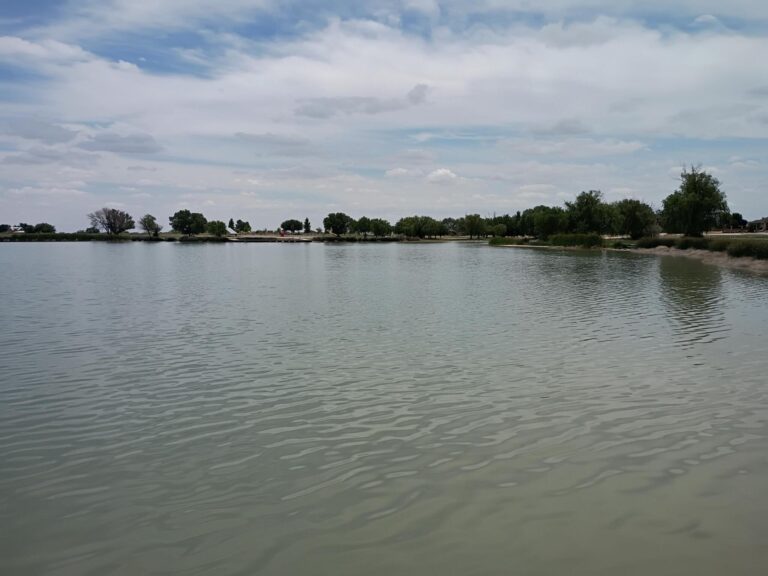
Looking to build strong bonds with kids, families and the community, the New Mexico Desert Dogs are teaming up with law enforcement and public safety agencies for the third annual “Fishing with a Cop” event.

The event will be held Saturday, July 11, from 8 a.m. until noon at Lake Van near Dexter in Chaves County. The lake, which is hosting the event for the third year in a row, is at 4 Lake Van Drive, 62 miles northeast of Carlsbad.

The New Mexico Desert Dogs, a Las Cruces-based “hunting and community outreach nonprofit,” aims to help children, first responders and active and retired military members by sponsoring fishing, hunting and community events at parks around the state, according to the organization’s chief executive officer Tony Torrez.

“Since our founding in 2012, we have guided individuals from all walks of life on fishing and hunting trips,” Torrez said.

He said participation has climbed since the inaugural event in 2024.

“The first year in Dexter we had 100 kids. Last year we had 230 kids,” Torrez said. “It’s trending in the right direction.”

A similar event held in Las Cruces each June, Torrez said, has grown from 125 participants in 2024 to 338 this year.

“It gets the kids out to enjoy being outside and being with their parents,” he said.

Nine law enforcement agencies from eastern and southeastern New Mexico along with representatives of the air ambulance service Native Air are set to participate.

“We value opportunities like this to engage with our community in a positive and meaningful way, and we look forward to spending time with participants and their families,” said Capt. Amy Dugas, spokesperson for the Eddy County Sheriff’s Office. “Events such as these help strengthen relationships between law enforcement and the citizens we serve, and we are excited to be a part of another successful year.”

(subhead) Fishing with a Cop rules

Torrez said fishing is open to children aged 17 and younger and there will be giveaways, music, food, and family fun. He said young anglers need a fishing license in order to troll the waters of Lake Van.

“Twelve and under fish free. Twelve to 17 need a license,” Torrez said.

According to the New Mexico Department of Wildlife website, a junior fishing license costs $5 for New Mexico residents 12 to 17 and $12 for those living out of state.

Licenses can be obtained by calling 888-248-6866, visiting a licensed vendor or stopping by the Department of Wildlife office at 1615 W. College Blvd in Roswell.

Torrez said free fishing rods and reels will be handed out to children at the event while supplies last.

“Its amazing to just see the kids happy. It’s a low stress situation,” he said.

Mike Smith can be reached at 575-628-5546 extension-2361.

Artesia All-Star Little League coaches together before heading to state

0
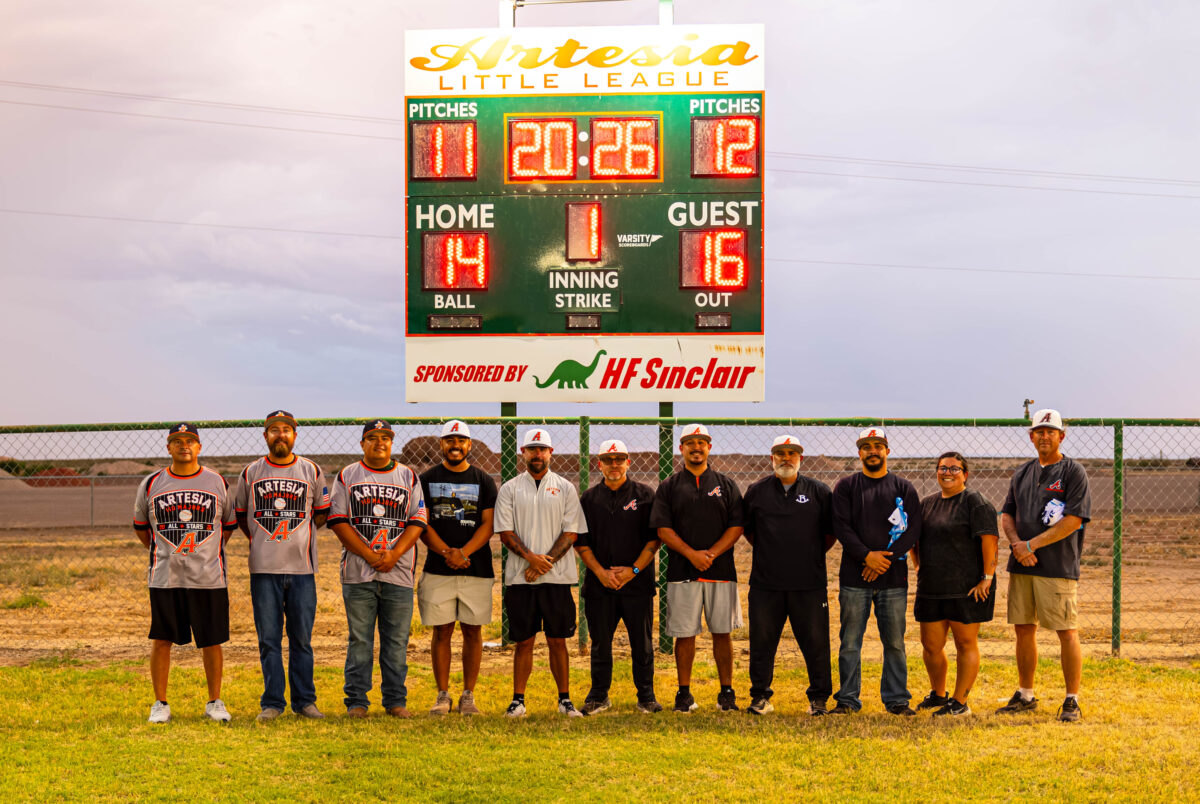
The Artesia Little League baseball All-Star team coaches pose together on Tuesday night, before heading to Albuquerque for the state tournament.

Longtime Artesia Police Chief announces retirement

Artesia Daily Press Staff Report

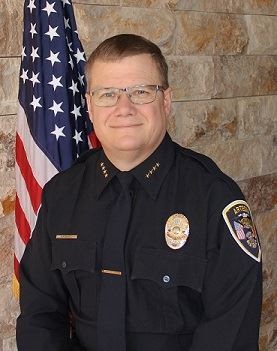
Kirk Roberts, longtime head of the Artesia Police Department, announced his retirement as of July 1, according to a social media post from the City of Artesia.

Mayor Jeff Youtsey accepted Roberts’ retirement, per the post.

“The City of Artesia thanks Chief Roberts for his years of dedicated service to the community and wishes him success in his future endeavors,” read the post.

Commander Pete Quinones will serve as acting chief until the Artesia City Council appoints a permanent chief.

Quinones has served in a variety of leadership and operational roles.

The city is confident in his ability to lead the department during this transition. The city would like to reassure residents that there will be no interruption in law enforcement service,” the social media post noted.

Artesia baseball All-Stars and coaches take a photo together

0
JT Keith | Artesia Daily Press

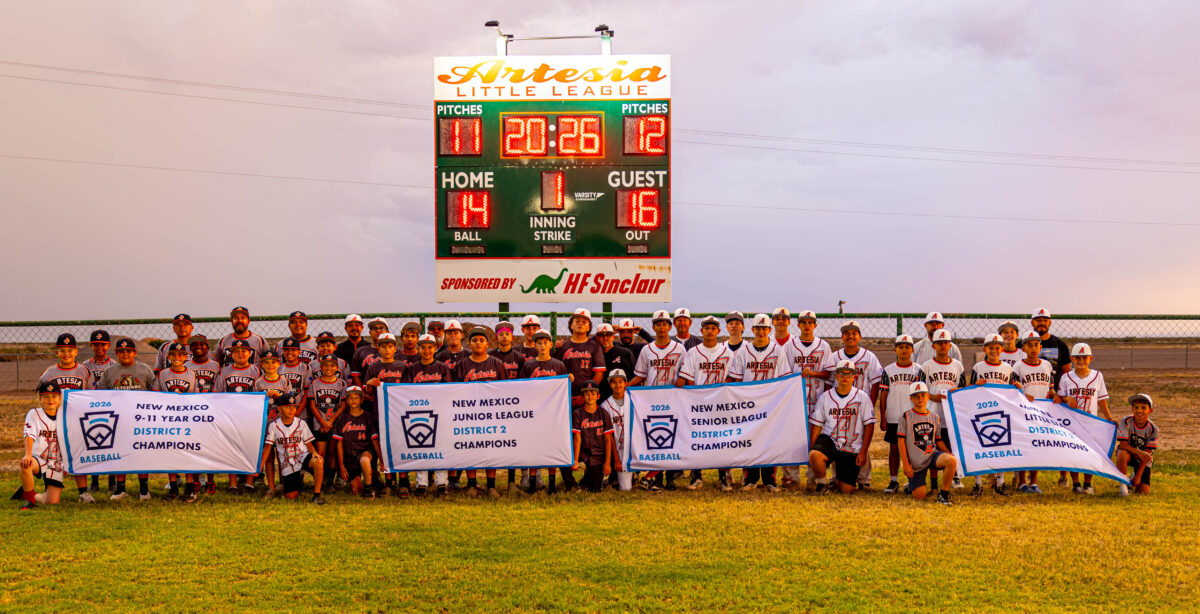
All four of the Artesia baseball All-Star teams took a picture together at Jaycee Park on Tuesday night. This is the first in the history of Little League baseball that the team has placed four teams in the state tournament, according to Artesia league president Jason Tavera. The scoreboard tells the story. 11-12-14 and 16-year-olds in 2026, and they were No. 1 in the district.

Federal EPA slams NM’s nuke waste proposal for the WIPP site near Carlsbad

0

President Donald Trump’s administration joined Carlsbad officials in opposing a proposal to alter nuclear waste storage at a nearby repository.

The Environmental Protection Agency was the latest government entity, and by the far the largest, to resist the amendment offered by the state in April that would require more nuclear waste from within New Mexico sent to the Waste Isolation Pilot Plant for disposal.

The agency argued the state’s proposal could violate the U.S. Constitution and lead to intervention by the president.

Irradiated material known as transuranic (TRU) waste is buried at WIPP in a salt deposit about 2,000 feet underground. The salt gradually collapses on the waste, burying the refuse and blocking radiation from escaping.

About half the waste disposed of in this way at WIPP has come from Idaho National Laboratory since the repository opened in 1999.

That’s because of a 1995 settlement agreement between Idaho and the U.S. Department of Energy, which operates the WIPP site and was required to set aside half the facility’s shipment capacity for Idaho waste.

But the high percentage of out-of-state waste was a sticking point for the New Mexico Environment Department, which oversees WIPP’s state operations permit.

On April 23, the state proposed an amendment to the 10-year permit – last renewed in 2023 – stipulating that 55% of shipments to the repository from 2027 through 2031 come from Los Alamos National Laboratory.

In 2032, the revised permit would require that the northern New Mexico nuclear site account for 75% of shipments to WIPP.

The proposal drew immediate backlash from local business leaders in the Carlsbad area, along with the Carlsbad City Council and Eddy County Commission. The local government entities signed resolutions opposing the change in May and June, respectively.

Opponents of the change argued that requiring Los Alamos to account for more than half the waste shipped to WIPP could limit the overall nuclear waste sent to the facility.

No more than five shipments come from Los Alamos in a week, compared to the energy department’s goal of 17 weekly shipments from across the U.S.

‘Significant concerns’

A public comment period on the proposal closed on June 22, the same day the Environmental Protection Agency’s Region 6 administrator Scott Mason submitted a letter to the state opposing the changes.

That was after an initial 45-day comment period scheduled to end June 8 was extended. After the comments were gathered, state and federal officials entered negotiations. If no agreement is reached a public hearing could be scheduled.

Mason said the state’s proposed amendment “raised significant concerns” at the federal level and would “interfere” with nuclear waste cleanup across the U.S.

Region 6 of the Environmental Protection Agency covers Arkansas, Louisiana, New Mexico, Oklahoma and Texas, along with 66 tribal nations, according to the agency’s website.

In his letter, Mason argued the change could violate the U.S. Constitution’s Supremacy Clause, which he contended bars states from impeding federal actions – in this case nuclear waste cleanup.

And because waste is moved into New Mexico from other states such as Idaho, the permit change could also run afoul of the Constitution’s Commerce Clause, Mason wrote, by “unreasonably burdening” interstate commerce.

The administrator concluded that the “proposed modifications clearly favor the in-state (Los Alamos) waste over waste from out-of-state generators. Any such overt discrimination would impermissibly impede interstate commerce.”

Should the permit modification take effect, Mason wrote, Trump could use his authority to issue a waiver of the state regulation. Mason said the Environmental Protection Agency would likely advise the Department of Energy to seek such an exemption.

“EPA understands and respects NMED’s desire to address contaminated sites within New Mexico’s borders,” the letter read. “To remedy the significant issues discussed above, NMED should reconsider the proposed modification.”

‘Strengthening’ the rules

Despite these concerns, New Mexico Environment Department Cabinet Secretary James Kenney maintained that the state was within its rights to impose the new conditions. He said New Mexico was often deprioritized for nuclear waste disposal.

“We are strengthening the Waste Isolation Pilot Plant’s operating permit to affirm the commitments made to protect the health of communities across the United States, including New Mexicans,” Kenney said in a statement.

Janet Greenwald with the northern New Mexico-based nuclear watchdog group Los Alamos Downwind Neighbors said in a June 22 letter of support that cleaning up the Los Alamos lab’s so-called “legacy waste” left over from the Cold War and Manhattan Project was critical to the safety of her community.

“All our communities are important and we as a state will stand up for them against the sometimes seemingly uncaring federal government and its often-damaging policies,” Greenwald wrote.

On the other side of the argument, the Department of Energy’s Idaho Operations Office said in a letter of opposition the modification would cut shipments from Idaho from seven per week to 12 per year.

The June 22 letter signed by Tanner Crowther, chief counsel for the Idaho office, stated there were 970 shipments of waste remaining at the Idaho lab that could take 60 years to clean up should the state’s proposal take effect.

That would push Idaho cleanup out to 2086, Crowther wrote, endangering the Snake River Plain Aquifer as the waste awaits disposal.

The aquifer stretches for about 10,800 square miles in southern Idaho near Yellowstone National Park and provides groundwater supplies to about 3 million acres of farmland, according to Idaho State University.

Prolonging waste disposal from the lab would also incur up to $5.8 billion in added costs to the federal government while potentially leading to litigation for violations of the 1995 agreement, Crowther wrote.

“The proposed WIPP permit modifications represent a significant mission impact to the (Idaho National Laboratory), its stakeholders and its programmatic funding,” read the letter. “The conditions proposed by NMED intrude into management of facilities and operations of permit holders.”

Managing Editor Adrian Hedden can be reached at 575-628-5516, or @AdrianHedden on the social media platform X.