Home Blog Page 61

Rethinking the American Revolution

0

Sherry Robinson
All She Wrote

The USA is a miracle, and the revolution that made it possible could easily have gone the wrong way. These were a couple of thoughts I had after watching “The American Revolution,” on PBS.

Instead of the tidy history I learned in school, the revolution was a sprawling and complex series of events.

What the creators want us to know is that the United States was born of violence and division. And it was as much a civil war as a revolution because a great many colonists were loyal to Britain. They thought rebellion was insanity.

Britain was an empire with a standing army of thousands and a navy of 400 vessels. It traded worldwide. But after racking up debt in a global war, the king levied taxes on American colonies.

We know about the Boston Tea Party in 1773. Colonists saw themselves as good British subjects and resented this treatment by the motherland. After radicals poured tea into the harbor, England’s ham-handed responses only inflamed resistance.

Still, it would be years before the word “independence” was heard. But the bitter, often violent conflict between loyalists and Patriots, as the rebels called themselves, was a current running throughout the bloody eight-year war.

In 1774 the colonies took a step toward unity when they formed the Continental Congress, but its members tried harder to protect their own interests than to work together.

I was proud to learn that newspapers massaged public opinion toward independence. Samuel Adams, a failed businessman but successful politician, wrote frequent diatribes “reminding colonists of their grievances.” Thomas Paine (“These are the times that try men’s souls”) added his pen in 1776. They and others spread revolutionary ideas across the colonies. When the original states later wrote their constitutions, they included freedom of the press and the rule of law.

War exploded in April 1775 with the famous Midnight Ride of Paul Revere and battles at Lexington and Concord, when black and white Patriots and their Indian allies fought the British. In June the Continental Congress appointed George Washington as commander-in-chief of the Continental Army.

In the pantheon of Patriots portrayed in the documentary, Washington is the most striking. The film introduces us to the man behind “I cannot tell a lie.” He was one of the richest men in America and a natural leader. He fought alongside the British in the Seven Years’ War 16 years earlier. At 6’3”, he towered over most men (the average male was 5’7”), had a martial bearing, and was an excellent horseman.

Washington’s job was to turn undisciplined local militias, frontiersmen, immigrants, felons and a lot of boys into a functioning army. A slave owner, he didn’t want black soldiers, but a persistent shortage of troops helped change his mind, and 5,000 black men would serve.

Throughout the war Washington’s army was small, inexperienced and often unfed, unclothed and unpaid. Desertions were rife, and mutinies flared up. Soldiers left at the end of their enlistment, even when he begged them to stay.

When smallpox struck his troops, Washington had his men inoculated, even though it meant they would be out of service for several weeks. It was one of his most important decisions.

Against all odds, Washington had some stunning victories, along with devastating defeats. He showed personal bravery, riding along the front lines in a hail of gunfire to encourage his men. He wasn’t a military genius, said historians, but he was clever and bold. He believed providence favored them.

Both Washington and Congress knew the Patriots couldn’t win the war alone, and when France joined the fray in 1778, followed by Spain in 1779, the Americans’ fortunes turned. Without them, we’d be speaking with an English accent.

In 1783 Washington resigned his commission and rode home to Mt. Vernon. Chosen as president, he served his term and stepped aside, establishing the nation’s peaceful transfer of power.

The film also tells us that the conflict was terrible for Native Americans. Tribes had to decide which side might protect their interests and mostly chose the British. Washington promised soldiers that if they stayed to the war’s end they would get 100 acres of Indian land. This was news to the tribes. Washington’s vision of America was continental, the first hint at the doctrine of Manifest Destiny that pushed tribes from their lands.

Ultimately, our revolution and Constitution became the templates for others around the world. Our newborn democracy limped forward, and despite predictions that it would fail, the great experiment continues to its troubled present.

Sherry Robinson is a longtime New Mexico reporter and editor. She has worked in Grants, Gallup, the Albuquerque Journal, New Mexico Business Weekly and Albuquerque Tribune. She is the author of four books. Her columns won first place in 2024 from New Mexico Press Women.

Artesia police answer calls, make arrests

0

Nov. 15

Arrest

Sara Allen arrested for DWI.

Taylor Byers arrested for battery against a household member, criminal damage.

Ethan Santiago Ramires arrested for speeding up 20 mph over speed limit, operators and chauffeurs must be licensed, DWI.

DOMESTIC

2:57 am – Officer dispatched to 700 block of W. Centre Ave. in reference to domestic.

WANTED

9:30 am – Officer dispatched to 700 block of N. 10th St. in reference to a wanted subject.

WELFARE

9:37 am – Officer dispatched to 300 block of N. 4th St. in reference to the welfare of an adult.

BATTERY

10:40 am – Officer dispatched to 700 block of N. 13th St. in reference to battery.

SUSPICIOUS

12:30 pm – Officer dispatched to 800 block of S. Roselawn Ave. in reference to a suspicious person.

UNATTENDED DEATH

3:16 pm – Officer dispatched to 1900 block of W. Richey Ave. in reference to an unattended death.

RECKLESS

6:28 pm – Officer dispatched to W. Compress Rd. and N. 26th St. in reference to a reckless vehicle.

WELFARE

8:14 pm – Officer dispatched to 500 block of S. 20th St. in reference to the welfare of a child.

SHOTS FIRED

8:46 pm – Officer dispatched to 1100 block of W. Bullock Ave. in reference to shots fired in the area.

SUSPICIOUS

8:58 pm – Officer dispatched to 900 block of W. Washington Ave. in reference to a suspicious person.

9:24 pm – Officer dispatched to 900 block of W. Washington Ave. in reference to a suspicious person.

9:27 pm – Officer dispatched to 900 block of W. Washington Ave. in reference to a suspicious person.

LOUD

10:22 pm – Officer dispatched to 900 block of N. 5th St. in reference to loud noise.

11:39 pm – Officer dispatched to 2200 block of W. Bullock Ave. in reference to loud music.

Nov. 16

Arrest

Gabriel Richard Brizeno arrested for criminal trespass.

Martin Chavez Molina arrested for driving while under the influence of drugs, possession, delivery, manufacturing drugs, paraphernalia, possession, delivery, insurance required, plates display.

Jahnika Anne Guajardo arrested for battery against household member.

DOMESTIC

2:02 am – Officer dispatched to 2900 block of Browning Ave. in reference to domestic.

INDECENT

5:30 am – Officer dispatched to 2200 block of W. Main St. in reference to indecent exposure.

RECKLESS

12:22 pm – Officer dispatched to W. Booker Ave. and S. 17th St. in reference to a reckless vehicle.

UNWANTED

3:09 pm – Officer dispatched to 1900 block of W. Main St. in reference to an unwanted subject.

INCORRIGIBLE

6:30 pm – Officer dispatched to 400 block of S. 20th St. in reference to an incorrigible child.

6:47 pm – Officer dispatched to S. 9th St. and W. Washington Ave. in reference to an incorrigible child.

WELFARE

7:12 pm – Officer dispatched to W. Richey Ave. and Bowman Dr. in reference to the welfare of an adult.

DOMESTIC

8:14 pm – Officer dispatched to 800 block of W. Quay Ave. in reference to domestic.

ALARM

9:16 pm – Officer dispatched to 1500 block of W. Grand Ave. in reference to an alarm.

LOUD

11:10 pm – Officer dispatched to 300 block of W. Missouri Ave. in reference to a loud noise.

Nov. 17

DISTURBANCE

12:04 am – Officer dispatched to 700 block of N. 10th St. in reference to disturbance.

WELFARE

11:10 am – Officer dispatched to W. Hermosa Dr. and S. 26th St. in reference to the welfare of a child.

SUSPICIOUS

12:21 pm – Officer dispatched to S. 17th St. and W. Ray Ave. in reference to a suspicious person.

RECKLESS

1:11 pm- Officer dispatched to 1300 block of W. Richey Ave. in reference to a reckless vehicle.

ACCIDENT

1:38 pm – Officer dispatched to S. 11th St. and W. Grand Ave. in reference to a motor vehicle accident.

3:35 pm – Officer dispatched to S. 12th St. and W. Grand Ave. in reference to a motor vehicle accident.

4:26 pm – Officer dispatched to E. Richey Ave. and N. 1st St. in reference to a motor vehicle accident.

ALARM

7:35 pm – Officer dispatched to 700 block of N. 10th St. in reference to a burglary alarm.

7:45 pm – Officer dispatched to 700 block of N. 16th St. in reference to burglary alarm.

SUSPICIOUS

8:52 pm – Officer dispatched to S. 2nd St. and W. Park Ave. in reference to a suspicious vehicle.

WELFARE

10:45 pm – Officer dispatched to 100 block of W. Main St. in reference to the welfare of an adult.

Nov. 18

SUSPICIOUS

5:12 am – Officer dispatched to 2500 block of W. Mann Ave. in reference to a suspicious vehicle.

ACCIDENT

8:54 am – Officer dispatched to 900 block of S. 10th St. Ct in reference to a motor vehicle accident.

SUSPICIOUS

9:00 am – Officer dispatched to 1700 block of S. 17th St. in reference to suspicious trespass.

WELFARE

9:44 am – Officer dispatched to 200 E. Grand Ave. in reference to welfare of an adult.

LARCENY

10:09 am – Officer dispatched to 1900 W. Main St. in reference to larceny.

DOMESTIC

11:17 am – Officer dispatched to 1900 W. Richey Ave. in reference to physical domestic.

WELFARE

2:06 pm – Officer dispatched to 1400 W. Gilchrist Ave. in reference to mental welfare.  

ACCIDENT

3:19 pm – Officer dispatched to 2600 block of W. Richey Ave. in reference to a motor vehicle accident.

DOMESTIC

7:09 pm – Officer dispatched to S. 13th St. and W. Dallas Ave. in reference to domestic.

DISTURBANCE

7:48 pm – Officer dispatched to 1100 block of N. 10th St. in reference to disturbance.

UNWANTED

9:46 pm – Officer dispatched to 800 block of S. Roselawn Ave. in reference to an unwanted subject.

LOUD

10:45 pm – Officer dispatched to 1000 block of S. 20th St. in reference to loud music.

ALARM

11:41 pm – Officer dispatched to 2600 block of W. Main St. in reference to an alarm.

Health of New Mexicans put at risk by energy gridlock?

0

Missi Currier, Melissa Simpson and Jim Winchester

Are we facing an energy emergency? The answer may depend on your income, health risks, or even your age.

Think about family or neighbors who rely on medical equipment that must be plugged in – ventilators, dialysis machines, and CPAP devices. The people who depend on them are at serious risk when the power goes out.

The threat is so real that the U.S. Department of Health and Human Services tracks Medicare patients who rely on home medical devices. Nearly 50,000 people in New Mexico – 10 percent of Medicare recipients – are vulnerable during electric blackouts. That’s the third highest rate in the nation.

Unfortunately, outages are common – caused by bad weather, aging infrastructure, or other strains on the electrical grid. They can happen throughout the day or night and sometimes last for extended periods. Last April, residents in northern New Mexico went two days without power. Utilities try to alert communities, but vulnerable people often don’t get the message in time. For them, the energy emergency is not theoretical – it’s personal.

So how did we get here, and what’s the fix?

A major barrier is the difficulty of getting permits approved for projects that would strengthen the grid that supplies power to our communities and neighborhoods. Layers of government and years of environmental review slow the process. Even after that, lawsuits filed by activist groups create more delays.

According to Lawrence Berkeley National Laboratory, only one in five transmission projects planned between 2000 and 2017 were operational by the end of 2022. Stanford University reports that nearly one in three major energy and infrastructure projects face litigation before construction even begins.

It took 17 years to build the SunZia transmission line across New Mexico, now delivering renewable wind power to customers in Arizona and California. The delays were caused by long environmental reviews and lawsuits.

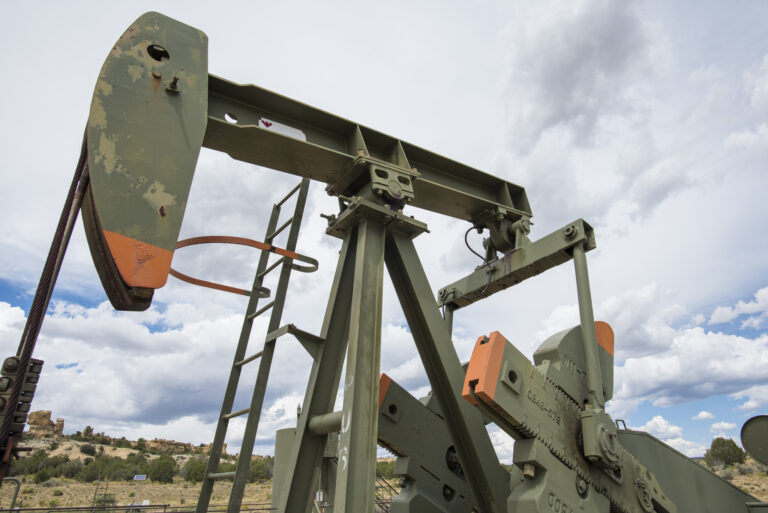
The problem isn’t limited to electricity. The oil and natural gas industry faces similar roadblocks. Nationally, natural gas is used to generate 43 percent of electricity, 29 percent in New Mexico, and is currently the most reliable, affordable energy source fueling the grid. Yet, government red tape and legal delays get in the way of contributing more to meet our growing energy demands.

In 2022, a lawsuit challenged drilling permits in New Mexico and Wyoming, claiming potential harm to wildlife as far away as Hawaii and the Arctic. After three years, a federal appeals court in Washington, DC, finally dismissed the case last summer. These kinds of delays show why reform is necessary and how they create real-life hardships for New Mexicans.

Here’s the good news: Congress has a chance to address these problems through permitting reform.

Lawmakers from both parties are working to streamline permitting for energy projects and place reasonable limits on litigation. In the U.S. House, a bipartisan group of lawmakers introduced the SPEED Act (Standardizing Permitting and Expediting Economic Development), which updates the National Environmental Policy Act (NEPA) to help agencies to complete reviews more efficiently. Another bipartisan group, the Problem Solvers Caucus, released a policy framework to support electricity and pipeline projects, with legislation expected soon.

In the Senate, discussions are underway to build on bipartisan proposals introduced last session.

New Mexico’s leaders can play an important role in the process. Senator Martin Heinrich, the senior Democrat on the Senate Energy and Natural Resources Committee, will help shape any permitting reform bill. Members of New Mexico’s House delegation will also sit on committees central to this effort.

In this era of political division, bipartisan support is necessary for our country and state to continue to move forward. For thousands of New Mexicans vulnerable to energy emergencies, it’s a step toward greater security and peace of mind.

Melissa Simpson is President of Western Energy Alliance. Missi Currier is President & CEO of the New Mexico Oil & Gas Association. Jim Winchester is Executive Director of the Independent Petroleum Association of New Mexico.

Deadly horse disease spreads into New Mexico

0

Adrian Hedden
Artesia Daily Press

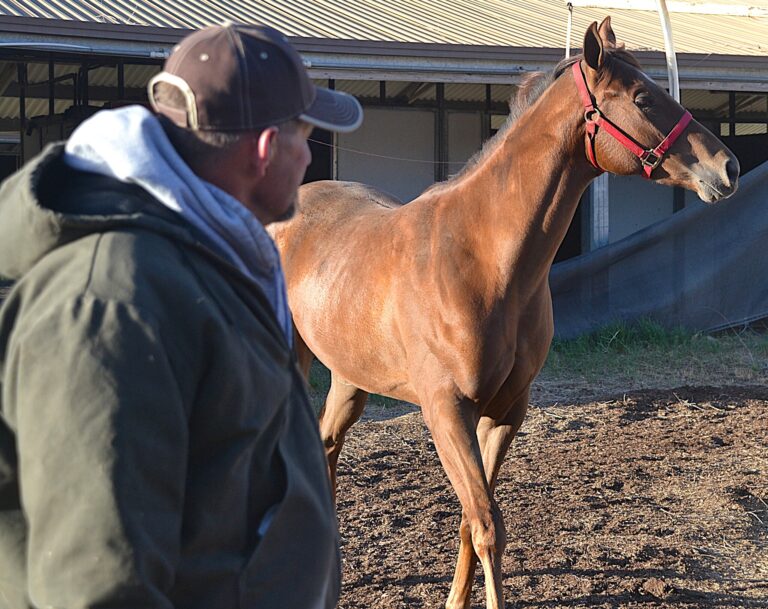
A disease that can prove fatal to horses spread into southern New Mexico and state officials are warning owners to take steps to prevent further infection.

New Mexico’s first case of equine herpes myeloencephalopathy was reported Nov. 21 in Dona Ana County, in a horse that competed in the World Finals and Elite Barrel Race event held Nov. 5-9 by the Women’s Professional Rodeo Association in Waco, Texas.

The infected horse was isolated and treated by a veterinarian, according to a news release from the New Mexico Department Agriculture. The agency reported the animal’s condition was improving.

The New Mexico case followed outbreaks in Texas and Oklahoma, according to reports from the Texas Animal Health Commission and the Oklahoma Department of Agriculture, Food and Forestry. Both agencies reported infections on Nov. 18.

New Mexico had three cases of the virus as of Nov. 24, according to the Equine Disease Communication Center, while Oklahoma had four cases and Texas had 11.

The Texas Health Commission said the spread started in central Texas with a quarter horse competing in the Women’s Professional Rodeo Association event in Waco.

Two of the reported cases in Oklahoma led to the cancellation of the Barrel Futurities of American World Championship, which was scheduled for Nov. 15-22 in Guthrie, Oklahoma.

How does it spread?

Equine herpes myeloencephalopathy, or EHM, is a neurological form of equine herpes, associated with the equine herpesvirus-1, known as EHV-1.

It is a contagious virus that can affect horses, donkeys and mules and is spread through respiratory secretions, shared equipment, trailers and other contaminated environments, according to the New Mexico Department of Agriculture.

Humans cannot be infected by the virus but can transmit the virus to horses through equipment contaminated by an infected horse’s respiratory secretions, the department reported.

Any infected horse should be isolated immediately, read the department’s news release.

Horse owners are advised to vaccinate their horses as recommended by veterinarians to prevent infection, isolate new horses from the herd for 2-3 weeks, and avoid sharing equipment such as halters, buckets and grooming tools.

Barns should be regularly disinfected and horse temperatures should be monitored daily, the Department of Agriculture reported, and horse movement should be limited during outbreaks.

What are the symptoms?

The illness can cause respiratory problems in horses as well as fever, nasal discharge, cough, lethargy, hindlimb weakness and an inability for the horse to stand.

Infected horses can also experience a loss of tail tone and inability to urinate, along with foal death and abortions in pregnant horses.

Anyone with questions about the outbreak was asked to call the New Mexico Department of Agriculture at 505-383-9299 or New Mexico Livestock Board at 505-841-6161.

Kayak fishing season welcomes new director, tournaments

0

Mike Smith

Artesia Daily Press

msmith@currentargus.com

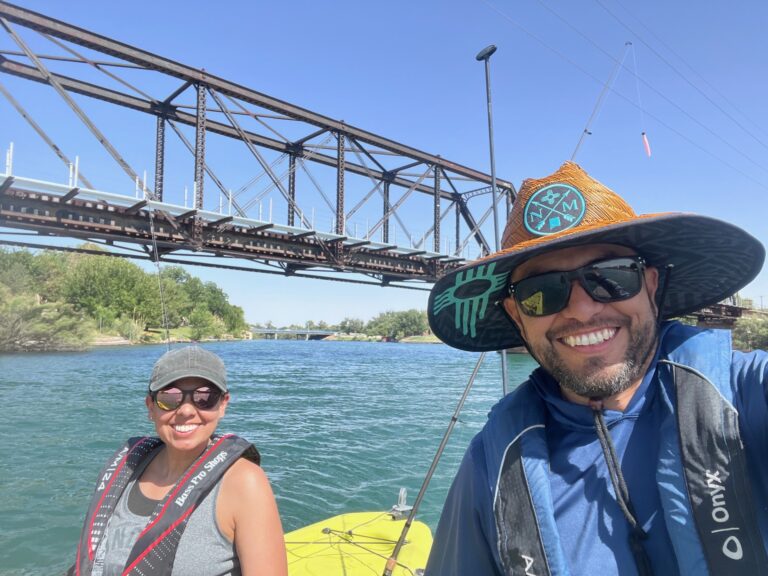
A fishing tournament in Carlsbad and a nighttime fishing tournament at Conchas Lake highlight the 2026 New Mexico Bass Nation Kayak Anglers schedule, said incoming tournament director Anthony Barrera.

The season starts March 21 at Conchas Lake in northeast New Mexico near Tucumcari.

Barrera spent November coordinating tournaments for next year with the New Mexico State Parks Department, along with updating rules and the group’s website.

He said the schedule offers anglers chances to fish in various parts of New Mexico, along with Lake Brownwood in Texas.

“We have Navajo (Dam) for those up north, Elephant Butte (Lake) for the southern, Carlsbad for the southeast, Conchas and Ute are central and (Lake) Brownwood for those that want to fish a new lake outside of New Mexico,” Barrera said.

He said the season opener at Conchas offers good fishing conditions for early spring.

On April 11, kayakers will have a chance to fish in waters Barrera said he’s familiar with around Carlsbad. Barrera grew up in Artesia and said Brantley Dam, Avalon Lake and the Carlsbad Beach along the Pecos River were popular fishing spots when he was a youngster.

“Carlsbad has some quality fish. After my trip last year and seeing some big fish, I knew we needed to make a stop for the 2026 season,” he said. “It also gives anglers in the area who might not be able to make the trek to other lakes an opportunity to fish in a kayak tournament.”

On April 25, the New Mexico kayakers will visit Lake Brownwood near Abilene.

“We will be fishing with Texas Bass Nation Kayak (Anglers) and the West Texas Kayak (Anglers). This is a great opportunity to fish in new waters,” Barrera said.

The New Mexico state championships are set for May 17 at Elephant Butte Lake State Park near Truth or Consequences.

Barrera said the tournament offers high stakes for those fishing the waters at the popular southern New Mexico Lake.

“The top 10% will qualify for the Bass Nation National Championship, which will be in October of 2026. We are hoping to send five to seven anglers to nationals,” he said.

On June 6, the kayakers head to Navajo Dam near the Colorado border. Barrera said summer fishing conditions are great at the far northern New Mexico Lake.

“Hopefully some of our neighbors from Colorado Bass Nation Kayak will make it,” he said.

July 18 brings the first ever nighttime fishing tournament for the New Mexico Bass Nation Kayak Anglers.

Barrera said the tournament at Conchas Lake starts at 6 p.m.

“It gets really hot. This lets us get out of the heat,” he said.

Barrera said he has never fished in a night tournament.

“I have seen other clubs like Arizona have them. We all talked about it and thought it might be fun and something new for us,” he said.

Barrera said Ute Lake would host a team tournament or a makeup tournament for those who may have missed the previous tournaments.

“This will be our second year doing this. It was a great success last season. Teams will be randomly drawn the day before the tournament,” he said.

Barrera said the final event for 2026 is set for Sept. 26-27 at Ute and Conchas Lakes.

“This will be our club Classic Championship,” he said. “To qualify anglers will need to attend two regular season events and (it) will count toward Angler of the Year,” he said.

Mike Smith can be reached at 575-628-5545 extension-2361.

Congressman Steve Pearce in southeast New Mexico for book signings

0

Tim Keithley
For the Artesia Daily Press

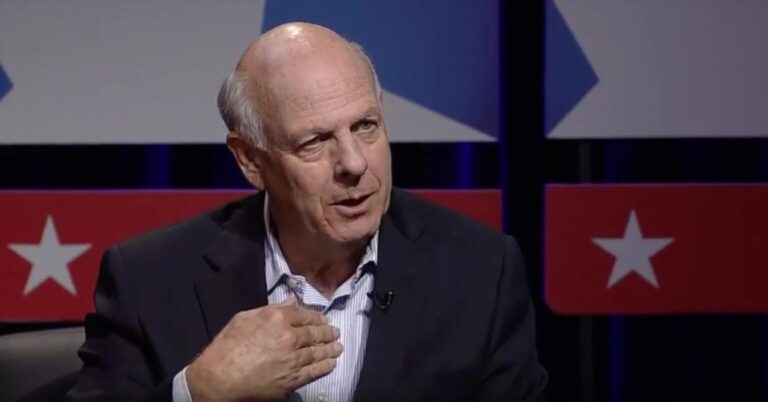
More than a decade ago, I spent a couple years of my working career basically behind the wheel of a red Chevy pickup truck driving Congressman Steve Pearce around southern New Mexico to town hall meetings and similar events.

Between the cell phone calls of Pearce doing congressional business we listened to the radio, swapped stories, and talked about current events. Pearce’s stories about growing up in Nadine, New Mexico, his college years, his service to our country in Vietnam plus building a business in the oil patch were all memorable and worth more to me than my college degree.

Many of those stories and new accounts of his 2016 fifteen-day trip around the world to salute veterans are now available in his latest book, “You Had a Good Home, But You Left…”

Pearce is a decorated Vietnam veteran having served in the U.S. Air Force. He was honorably discharged as a Captain having received the Distinguished Flying Cross, two Air Medals, seven other military medals, and four exceptional service awards. Pearce served as a C-130 pilot accumulating 518 hours of combat flight during the Vietnam conflict.

“The book is primarily about veterans,” Pearce said on my Saturday morning radio program last week. “I decided to make the honor flight because I thought someone should do more to recognize and salute those so served. We must always remember the veterans gave the ultimate sacrifice.”

The book describes Mr. Pearce’s journey of 186 flight hours, 26 fueling stops and 26,000 miles in his private aircraft. As he got closer to the Vietnam-leg of the journey he started thinking more about his personal struggles with the Vietnam conflict.

“Soldiers were expected to come home from the war, fold up your uniform and put it in a box in the back of the closet,” Pearce said. “That’s what I did. But as I was making the honor flight and getting closer to that hollowed ground, I started having feelings of anger and resentment toward the government and the military leaders who were responsible for many soldiers who never made it home.”

The book also discusses his personal relationship with his wife, Cynthia, and the risks involved with taking the honor flight. “There are many lessons inside the chapters that talk about my experiences and other veterans’ stories who have dealt with many hardships,” Pearce said.

“Many times soldiers leave their good homes for battle but don’t come back the same,” he said. “In my personal life and career, I’ve many times left my comfort zone in order to stretch-out and accomplish different things that I never thought I was capable of doing. That’s the primary message of the book.”

Pearce’s tour of southeast New Mexico will begin in Artesia, at an 11:30 a.m. appearance, Dec. 1 at the Bulldog Administrative Building, 301 Bulldog Blvd.

Pearce will also appear in Ruidoso on Tuesday, Dec. 2 at 9 a.m. at ENMU Ruidoso at 709 Mechem Drive for a book signing called “Book an a Burrito”. The public is invited to come and hear Mr. Pearce comment on the book and answer questions. Breakfast burritos will be served at the free event.

A similar lunch event will be held in Alamogordo on Tuesday, Dec. 2 at 11:30 a.m. at the Ink Well Innovation Center, 314 East 9th Street.

Mr. Pearce’s decision to lay out much of his personal struggles in the book could help others in our community that still have similar open wounds. He is someone that has made tremendous contributions to New Mexico and our country, and it appears that Mr. Pearce has still yet to write the last chapter of his continued public service.

Here’s where Steve Pearce is appearing in southeast New Mexico on his book tour.

Monday, Dec. 1

Artesia Bulldogs Admin Center Artesia

11:30 a.m.

301 Bulldog Blvd

Monday, Dec. 1 Grace Community Church Roswell

5:30 p.m.

935 W. Mescalero

Tuesday, Dec. 2

ENMU Ruidoso Ruidoso

9 a.m.

709 Mechem Dr.

Tuesday, Dec. 2

Ink Well Innovation Center

Alamogordo

11:30 a.m.

314 E. 9th Street

Artesia Daily Press columnist Tim Keithley writes about the people and events in the community. If you have a story idea, contact Tim at tkeithley@zianet.com.

Three keys to winning state title for Bulldogs

0

JT Keith
Artesia Daily Press
jtkeith@elritomedia.com

If it were easy, every team would beat the teams they play twice: once in the regular season and then in the playoffs.

The Artesia Bulldogs played the Lovington Wildcats for the second time this season in the state semifinals, with the winner advancing to the state championship game against Roswell at 1 p.m. Saturday at the Bulldog Bowl.

The Nov. 22 game at Wildcat Stadium was much different from the 56-23 shellacking Artesia put on Lovington on Sept. 26 in Week Six of the season. Instead, this game turned into an instant classic, with the Bulldogs fighting for their playoff lives. Artesia won 35-30, but the game was not decided until the last 45 seconds after a failed onside kick by Lovington.

The best and last two teams are now standing in Class 5A. Roswell (9-3 overall, 6-1 in District 2-5A) will play for the right to keep its crown. The Coyotes and the Bulldogs have a history in recent years and are friendly-unfriendly rivals on the field.

Bulldog coach Jeremy Maupin has been at Artesia for five years, and the Bulldogs have played in the state championship game each year. With Roswell coach Jeff Lynn, the Coyotes have played in the championship game against Artesia (11-1 overall, 7-0 in District 2-5A) the last three years. Artesia won the state crown 35-21 at the Bulldog Bowl in 2023, and Roswell defeated the Bulldogs 41-22 at the Wool Bowl in 2024.

“The funnest week is getting to practice during Thanksgiving break,” Maupin said. “We are ready.”

Here are three keys to a Bulldogs’ victory:

1. Stop the run

Against Gadsden, Maupin said that Roswell came out in a spread look and tried to throw the ball early. The Coyotes ran some read-and-pass option plays, which Maupin said he has not seen from Roswell.

In the last game against Artesia, Roswell quarterback Luke Lynn was 12-of-25 for 119 yards and two touchdowns, and the rushing attack ran for 171 yards on 32 carries.

“Their goal is to run the ball first,” Maupin said. “We have to stop the run, but Lynn can throw the ball well enough that you have to make sure you don’t get your eyes stuck in the backfield. We have to make sure that we are sound in coverage, and we are sound on defense.”

2. Come out and play fast

In the last game against the Coyotes, the Bulldogs built a 21-0 early lead in the first and second quarters, forcing Roswell to throw the ball more than it wanted. By halftime, Artesia led 28-14. Bulldog quarterback Derrick Warren was 19-of-33 for 316 yards and six touchdowns with a quarterback rating of 129.5. Artesia had 445 yards of total offense in that game.

“We have to come out and play fast early,” Maupin said. “We must make sure we are playing well against them.”

3. Win the turnover battle

In the game against Lovington on Nov. 22, the offense threw three interceptions and fumbled. The ’Dogs had four turnovers in the semifinal game, the most on the season. Maupin said the Bulldogs’ turnovers have forced them into closer games.

In the last game against Roswell on Oct. 17, Artesia fumbled, and Roswell scored a touchdown off the turnover.

“We threw three interceptions and a fumble (Nov. 22),” Maupin said. “We have to win the turnover battle for sure, and we have to create turnovers.”

JT Keith can be reached at 575-420-0061, or on X @JTKEITH1.

Book Review: You Had a Good Home, But You Left

0


Michael Shinabery

Vietnam War veteran. Owner of a multimillion-dollar company. Congressman. But beyond all those accomplishments, Steve Pearce made perhaps his most indelible contribution while soaring high above the earth, alone in the cockpit of a single-engine Mooney.

In his book “You Had a Good Home, But You Left …” Pearce relates his intimate account of circumnavigating the globe in 2016 to ensure his fellow veterans were remembered.

Coming home from a war where he logged more than 500 combat flight hours piloting a C-130, Pearce was destined to live the American dream. Education, business success, home and family, election to the United States House of Representatives. But the knowledge that many who served in Vietnam did not return, came home in a coffin, or were never completely whole again as human beings, weighed on Pearce’s mind for decades. Only a veteran understands what is taken from a warrior’s soul on the battlefield. Pearce was in his late 60s when he took to the air for his around-the-world flight to honor those who had sacrificed so willingly, so bravely. His wife Cynthia, his biggest supporter, declared his plan the “craziest” thing he’d ever done.

Interwoven through the story of Pearce’s flight are memories of a childhood when his biggest encourager was his mom, of the failures and fears that would mature him, of the war, his family, his faith in God. While piloting the Mooney he finds himself jolted back to reality by conditions in the cockpit, the plane’s instability, tricky night landings, crosswinds and weather, and diminishing fuel that forces him to choose between turning back or adhering to his mantra: “Just fly the plane, Stupid.”

Throughout his career, Pearce interacted not just with world leaders but with the men and women encountered in everyday life. Nowhere in his story is this better exemplified than when making a simple food purchase in a grocery store. He crosses paths with a clerk in her early 20s whose life had already hardened her. She remarked on the lack of variety in Pearce’s choices. Pearce explained he didn’t need a hefty meal while on a “mission to remember the kids of my generation who died in Vietnam,” adding that “many of us were about your age.”

“Sir, that is noble,” she acknowledged.

While in Congress, Pearce battled for his comrades against the bureaucracy of the government’s Department of Veterans Affairs. He tells how the situation began unfolding for him on the celebratory night of his first House election when a tormented veteran, a long-ago high school classmate, confronted him about the Department’s reprehensible treatment of those desperately needing help. Pearce credits veterans for subsequently enlightening him with facts and truth that he took to Congress. Sadly, he lamented, the changes “took years and cost lives.”

Pearce completed his journey when Cynthia greeted him after his plane touched down in New Mexico. Like his return from Vietnam, there was no fanfare, only the fulfillment of knowing he had covered 26,000 miles to make sure the fallen will be remembered.

The perfect turkey recipe for Thanksgiving dinner

0

Lucy Herrman
For The Taos News

TAOS — For those who believe Thanksgiving requires a delicious turkey masterpiece, here’s my foolproof method for roasting a crispy, juicy, tasty turkey every time.

I’ve bought fresh turkeys and I’ve bought frozen ones. All said and done, if you treat your turkey right, you will have a perfect result either way.

A fresh turkey is fairly easy. Bring the fresh turkey out of the refrigerator to warm up for several hours on the big morning to ensure even cooking later.

But if you buy a frozen turkey, beware. Be sure you defrost it in a large tub in the refrigerator for 3-4 days (yes, 3-4 days; even longer if your turkey is more than 18 pounds). There is nothing worse than pulling a frozen turkey out only to discover the turkey and its gizzards are polar ice. To avoid a last-minute panic when your turkey is frozen inside, you must work ahead. Otherwise, stick with fresh.

Remove the bag of gizzards and the neck from the cavity of the turkey. You can use the neck and gizzards to make broth for gravy, only don’t add the turkey liver, as it will make the broth too gamey. Instead, sauté the liver in butter with shallots and cognac for a decadent midday snack over sourdough toast. Dry the turkey with paper towels and discard them with the packaging.

Please note: I do not fill the turkey cavity with stuffing. Instead I make a large pan of dressing to serve on the side. I find that stuffing a turkey makes cooking it a little unpredictable. I prefer cooking it unstuffed for an elegant bird every time.

I hope you and yours have a wonderful Thanksgiving. Now, let’s eat!

HOW TO ROAST THE PERFECT TURKEY

1 12-18 lb. fresh (not frozen) turkey

Bunches of fresh herbs: sage, thyme, parsley, rosemary

Salt and freshly ground pepper

1/2 onion (optional)

1 stick butter

1 piece cheesecloth big enough to cover turkey in the pan

Be sure to bring the turkey to room temperature when you wake up early in the morning on Thanksgiving.

Preheat oven to 325 degrees.

Remove giblets from turkey and discard or set aside for later. Dry turkey inside and out with paper towels. Carefully loosen skin around the breast cavity and slide your hands underneath to make a pocket. Arrange fresh herbs under the skin. Generously salt and pepper the turkey inside the cavity, under the skin, and over the skin. Place on a rack in a heavy roasting pan breast side up. If desired, place additional herbs and a halved onion in the cavity.

Melt the butter in a small saucepan. Remove from heat. Drench the cheesecloth with the butter and drape over the turkey breast and legs to cover well.

Roast, uncovered, on a rack at 325 degrees, allowing 15 minutes per pound (see chart below), and baste once or twice with the drippings. Remove the cheesecloth 30 minutes before the end of cooking time to allow the turkey to brown.

Remove from oven and allow to sit for 30 minutes before carving.

Serves 8-12 people.

Cooking time chart (plus 30 minutes of resting time):

12 lbs 3 hours

13 lbs 3 hours 15 minutes

14 lbs 3 hours 30 minutes

15 lbs 3 hours 45 minutes

16 lbs 4 hours

17 lbs 4 hours 15 minutes

18 lbs 4 hours 30 minutes

Opinion: Fire hazard mounts as FEMA, Forest Service shrink in Mora County

0

Sherry Robinson
All She Wrote

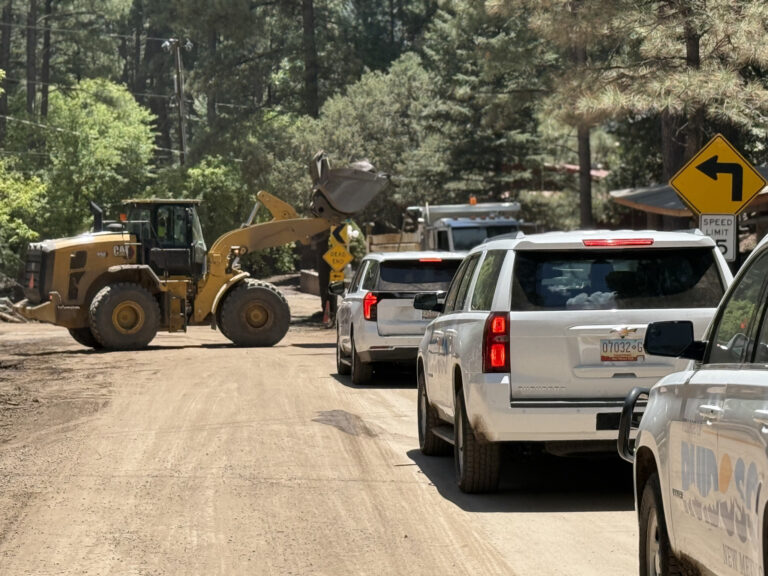
A woman from Mora County told me recently: “We always said we were land rich and cash poor. Since the fire, we don’t even have the land.” Besides fire and flood damage to family property, a road washed out, and nobody has rebuilt it.

U.S. Rep. Teresa Leger Fernández, D-NM, joined by U.S. Sens. Martin Heinrich and Ben Ray Lujan, have chided FEMA’s New Mexico Joint Recovery Office for its sluggish payout of claims for damages caused by the massive Calf Canyon-Hermit’s Peak blaze three years ago. In their recent letter they said the claims office had yet to compensate many people who lost everything. And it refused to reopen claims for cascading events, such as floods caused by the fires.

It’s odd because this disaster has its own pot of money. The fires were the government’s fault, so Congress created a $5.45 million fund to fully compensate victims. So far, the office has paid $3.2 billion.

The claims office could have been more responsive and more efficient, but I think we should look at the mother ship.

In August, 182 FEMA employees informed Congress that one third of full-time staff, some 2,000 employees including some of the agency’s most experienced, have left this year. In addition, the administration has cut funding and failed to appoint a qualified administrator as required by law. They warned that it’s becoming impossible for FEMA to help Americans survive natural disasters.

With no knowledgeable person running FEMA, Homeland Security Secretary Kristi Noem has involved herself in FEMA operations and set new spending rules that delayed contracts and obstructed the agency’s response, according media reports. The president himself has no use for FEMA and wants states to shoulder disaster response.

So is it any surprise that New Mexico has seen slow or no response and funding cuts?

This month the state’s Department of Homeland Security and Emergency Management said FEMA denied disaster prevention funding for the Ruidoso area, reported Patrick Lohmann of Source NM. The decision “puts lives and property at risk unnecessarily during new or cascading life-threatening flooding events,” said Deputy Secretary Ali Rye, in the state’s appeal.

Many people may not know that one of FEMA’s most important programs provides hazard mitigation grants to help communities plan and rebuild to avoid future disasters. We all watched clips of houses floating away during Ruidoso’s fire-related floods this year. It’s foolish to think this can’t happen again.

FEMA officials reportedly said the state hasn’t fully spent the money it’s received in previous disasters, but Rye argues that FEMA has only provided about $20 million of the $120 million promised to New Mexico for multiple recent disasters.

In September Lohmann reported that FEMA cut $14 million of nearly $30 million promised for the aftermath of Ruidoso’s fires, even though Democratic attorneys general were already suing the Trump administration for refusing to spend mitigation grants approved by Congress.

FEMA abruptly ended a related program, Building Resilient Infrastructure and Communities, in April that would have provided $4 million. Among other projects was Acoma Pueblo’s plan to reduce flooding risk. New Mexico is the one of 21 states in the lawsuit to suffer cuts to both programs.

All this is happening as wildfire mitigation in the state – prescribed burns and hazardous fuel treatments – plunged by 53% since January, according to a report by Grassroots Wildland Firefighters, an advocacy group.

“The reason we want to thin and prescribe burn and do the pile burning is because we want a healthy forest, and we want to keep it safe so when there’s a fire, we don’t lose the entire forest,” Bobbie Scopa, executive secretary of the group, told KUNM. Scopa was a firefighter for 45 years.

While the Forest Service blames “operational challenges,” Scopa cited the administration’s downsizing of agencies, budget cuts and the government shutdown. The agency hasn’t disclosed an official number, but in a letter co-signed by Heinrich in March, the USFS had lost 3,000 workers and was set to lose 7,000 more. Many were holders of red cards that certify their training as firefighters.

The Forest Service had an 80 million-acre backlog of projects even before the job losses. The responsibilities for the reduced workforce are endangering their lives and health.

Now weather experts say we could see a dry winter.

Pray for rain.

Sherry Robinson is a longtime New Mexico reporter and editor. She has worked in Grants, Gallup, the Albuquerque Journal, New Mexico Business Weekly and Albuquerque Tribune. She is the author of four books. Her columns won first place in 2024 from New Mexico Press Women.