Home Blog Page 10

White Sands National Park offers cure for Full moon fever

0

It’s an experience unique to New Mexico.

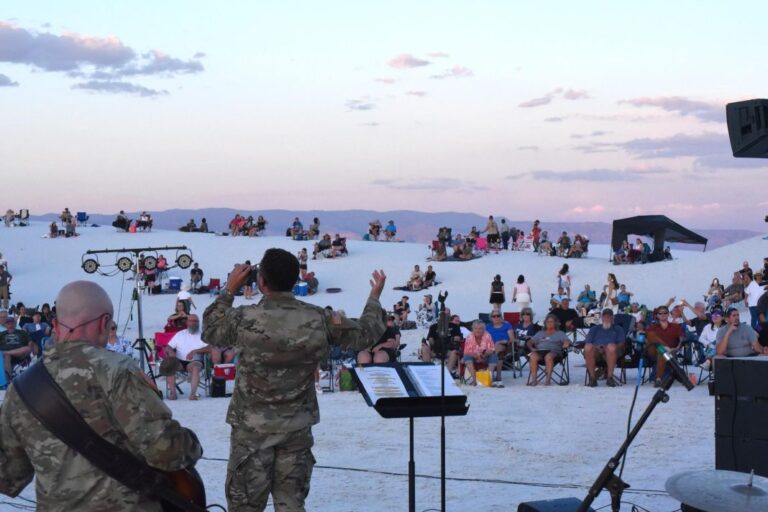
When White Sands National Park celebrates Full Moon Night between May and October, night sky enthusiasts flock to the park to enjoy its vistas and viewpoints.

The park’s white gypsum sands reflect the moon so brightly that visitors don’t need a headlamp, and they can savor the full range of the park’s activities even at night.

That can means hiking, sledding, enjoying a picnic or maybe just enjoying the view.

Brian Powers, the park’s manager of interpretation, visitor services and outreach, said that Full Moon Nights have been a New Mexico tradition going back decades.

“We have been hosting Full Moon Nights and offering extended park hours for at least fifty years, to give visitors the rare opportunity to see this unique landscape transform,” he said in an e-mail to the Alamogordo News.

“The bright white gypsum reflects the moonlight so intensely that you can often read a book by it, and it has become one of our most popular and beloved visitor experiences.”

The next Full Moon Night at White Sands is on Wednesday, July 26, and the park’s normal closing hours will be extended two hours. The park generally closes an hour after sunset — which is now occurring around 8:10 p.m — between Memorial Day and Labor Day.

The moon is so bright on Full Moon Nights that it can wash out all but the brightest constellations. Powers said that summer constellations with bright stars like Vega, Altair and Deneb should be visible, and so should the supergiant Antares in Scorpio.

“During the fall months of September and October, planets like Jupiter and Saturn often dominate the fall sky and are bright enough to remain spectacular even under direct, heavy moonlight,” Powers said. “Fall constellations, such as the distinctive “W” shape of Cassiopeia and the Great Square of Pegasus, will be visible in the northern and eastern sky, respectively.”

Most visitors do not bring telescopes to White Sands because of the way the moon reflects, but Powers offered a few suggestions to anyone who wants to try.

The best spots to set up a telescope, he said, are the two large parking lots located along Dunes Drive Loop near the back of the park. He also singled out the Sunset Stroll Meeting Area between the Backcountry Camping Loop Trail and Yucca Picnic Area, and Area 10, another remote location.

“This area offers wide-open, unobstructed 360-degree views of the horizon right from the flat surface of the parking lot,” Powers said. “Roadrunner Picnic Area also provides a large space that would be ideal for bringing out a telescope for night sky viewing.”

One other recommendation, said Powers, is to protect your telescope from wind-blown sand by setting up on a tarp.

You should also protect your eyes, he said, by using a moon filter to cut down the glare.

After Wednesday’s Full Moon Night, there are three more scheduled this season: August 27, September 26 and October 25.

The September event will feature a concert by Indigenous flautist and storyteller Randy Granger, and the October Full Moon Night will include a special ranger presentation on Ice Age human and mammal fossilized footprints found within the park.

Seeing stars

Oliver Lee Memorial State Park, located about 16 miles south of Alamogordo, offers another dramatic night sky experience.

The park is at the base of the Sacramento Mountains and looks out over the Chihuahuan desert, the largest hot desert by area in North America.

There are no organized night sky programs at the park, though, and the day use hours are from 6 a.m. to 9 p.m.

For most visitors to Oliver Lee, you’d need a campsite to be there when it really gets dark. Campsites at the park cost $15 per resident and $20 per non-resident.

“We actually don’t have many people who come out here just to stargaze because the only real place to park and do it is in the visitor center parking lot,” said park manager Kate German in an email response. “All our campsites are by reservation only.”

Oliver Lee Memorial State Park is currently in the process of constructing a security gate that should go into effect by the end of the year. Once that gate is in place, German said, only registered campers will have access to the park after dark.


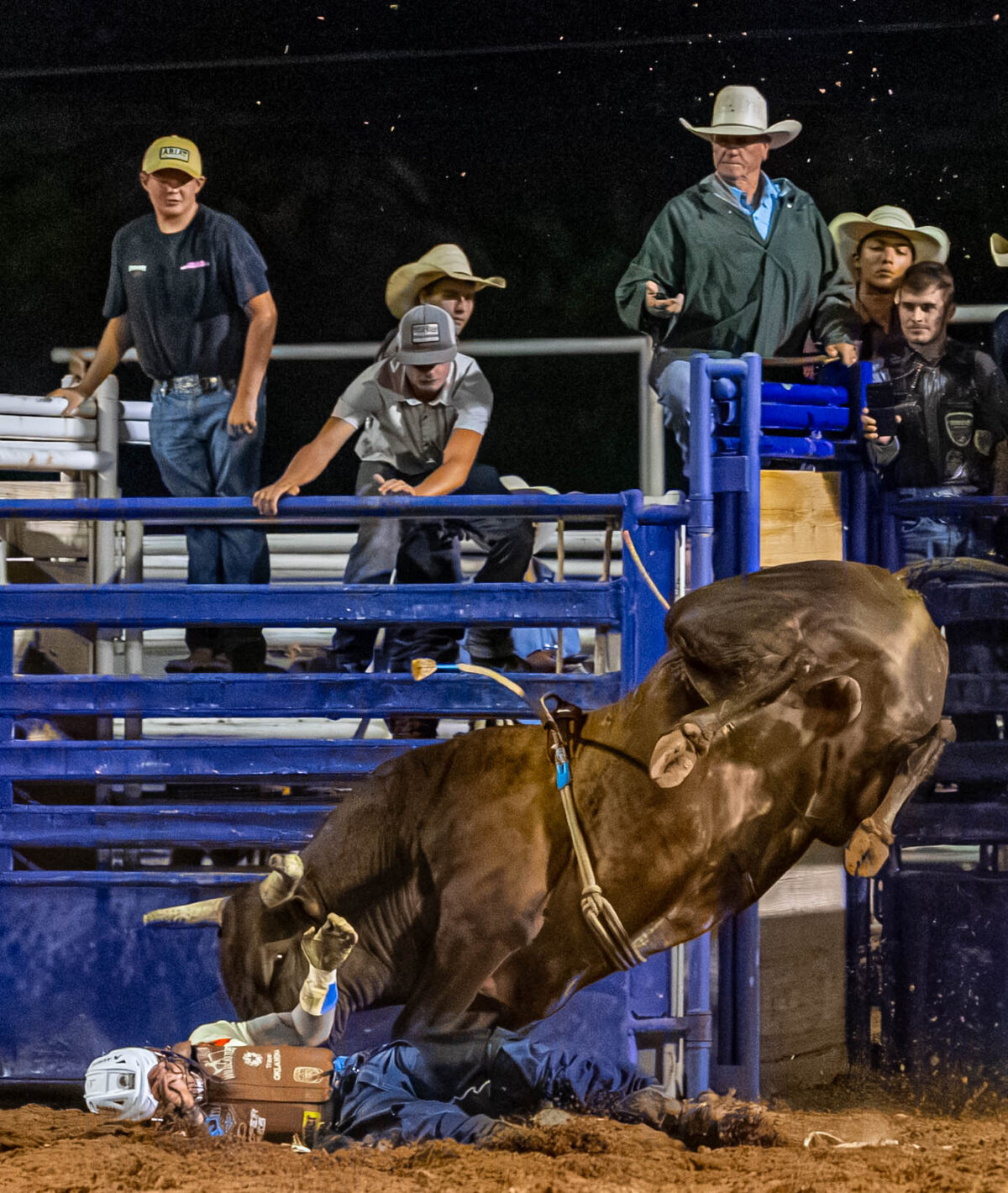
Scenes from the Smokin’ Hot Bull Riding at the Eddy County Fair

0
JT Keith | Artesia Daily Press

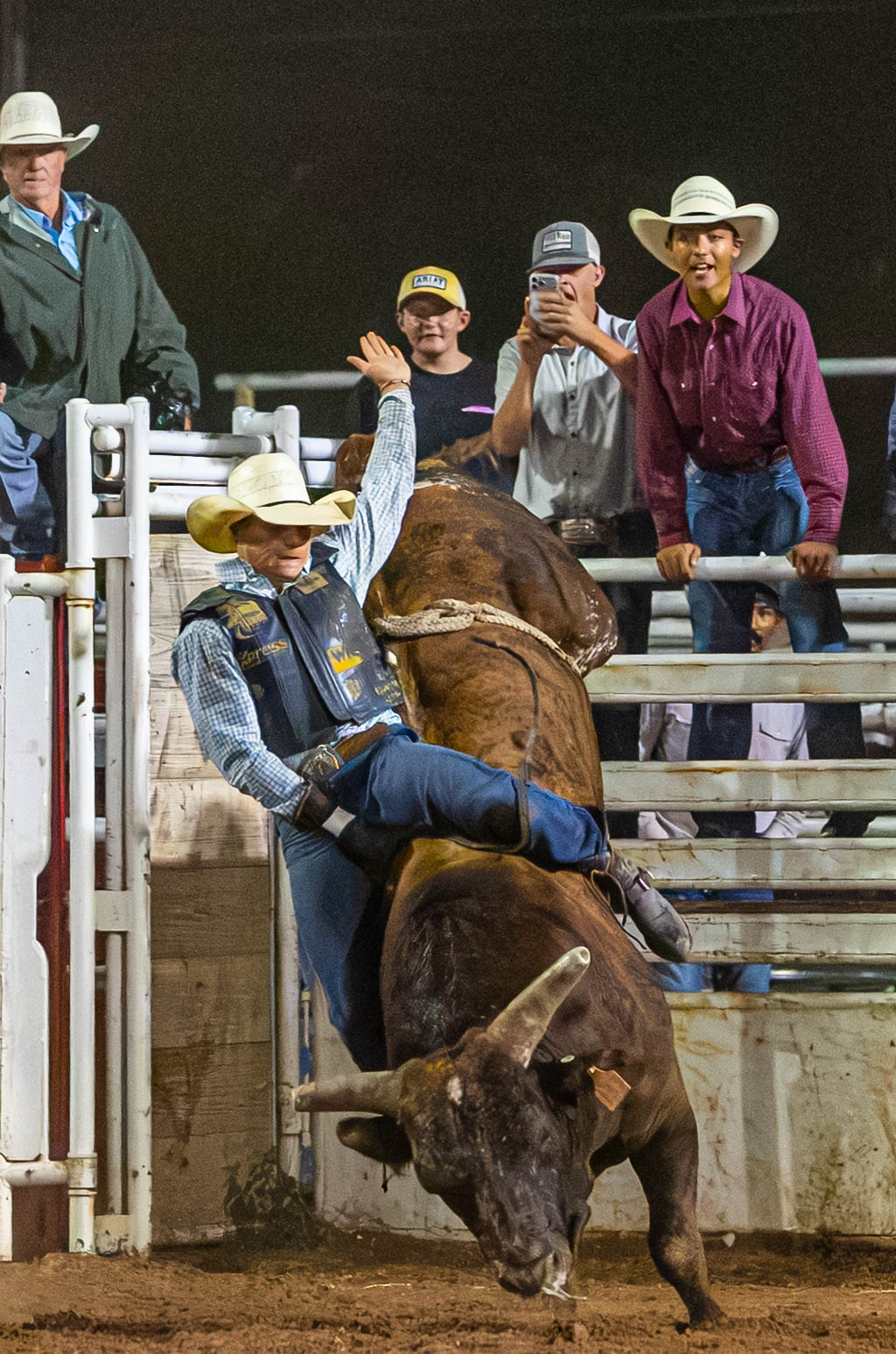
A bull rider hangs on to the bull on Friday night at the Eddy County Fair.

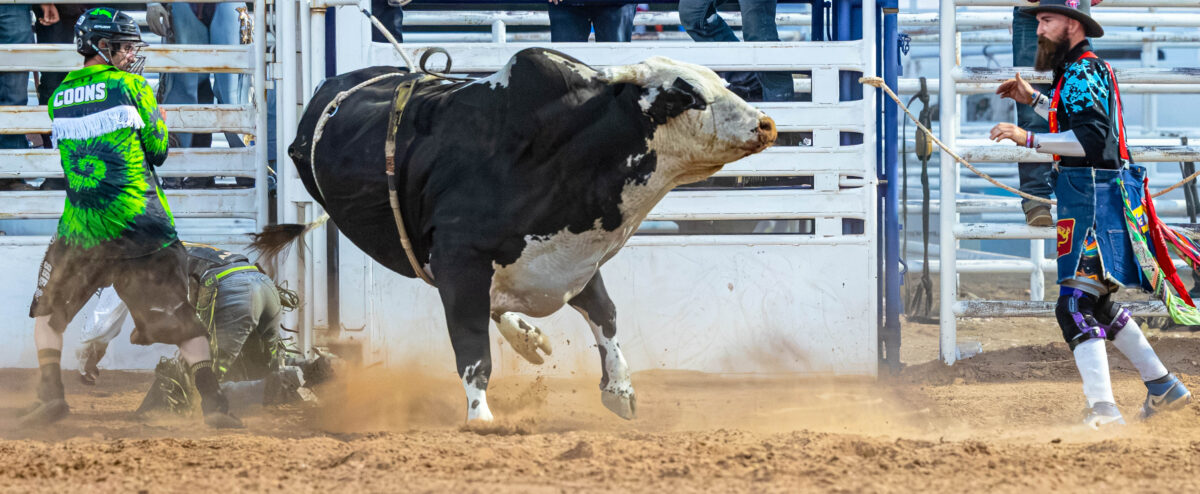
A rider is bucked off during the contest on Friday night.
A rider is thrown after four seconds at the Smokin’ Hot Bull Riding contest on Friday night.
A rider trying to hang on for eight seconds is bucked off.
Avontis Williams, from Terrell, Texas, rode the bull for eight seconds to finish in second place Friday night.
A rider is about to be thrown off his bull on Friday night at the 81st Eddy County Fair.
A rider is trying to hang on as he is falling off.
The rider could not hang on and was thrown off.
The bull comes out snorting in anger as a rider tries to hang on for eight seconds.
A rider hangs on for the entire eight seconds.
The rider continues to use good form and hang on.
Avontis Williams hangs on for his second ride of the night.
Avontis Williams continues to hang on.
Look at the emotion and concentration in the rider’s face.
A rider is thrown off the bull.
Crash as the rider lands after four seconds.
The aftermath of being thrown by the bull on Friday night.
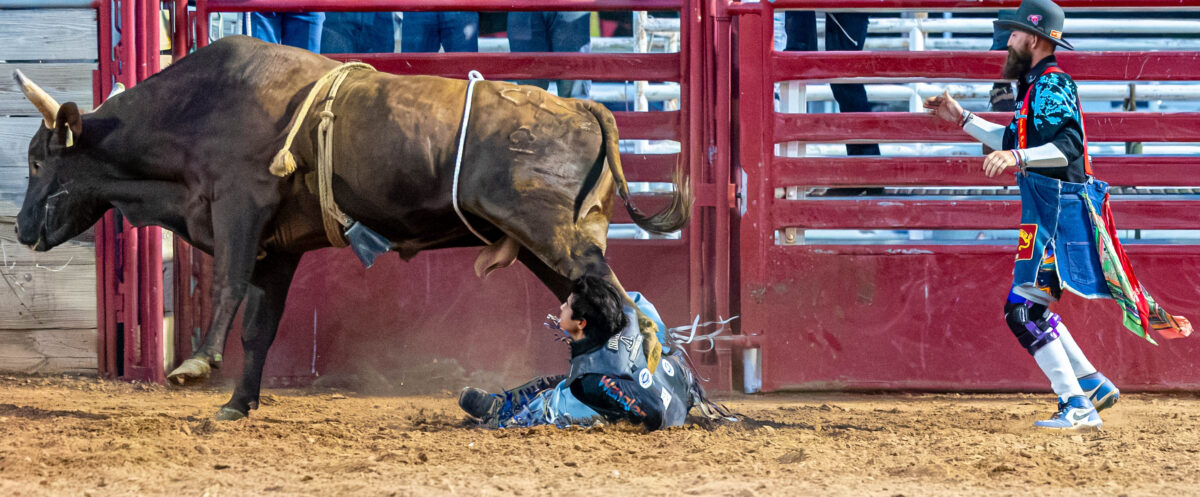
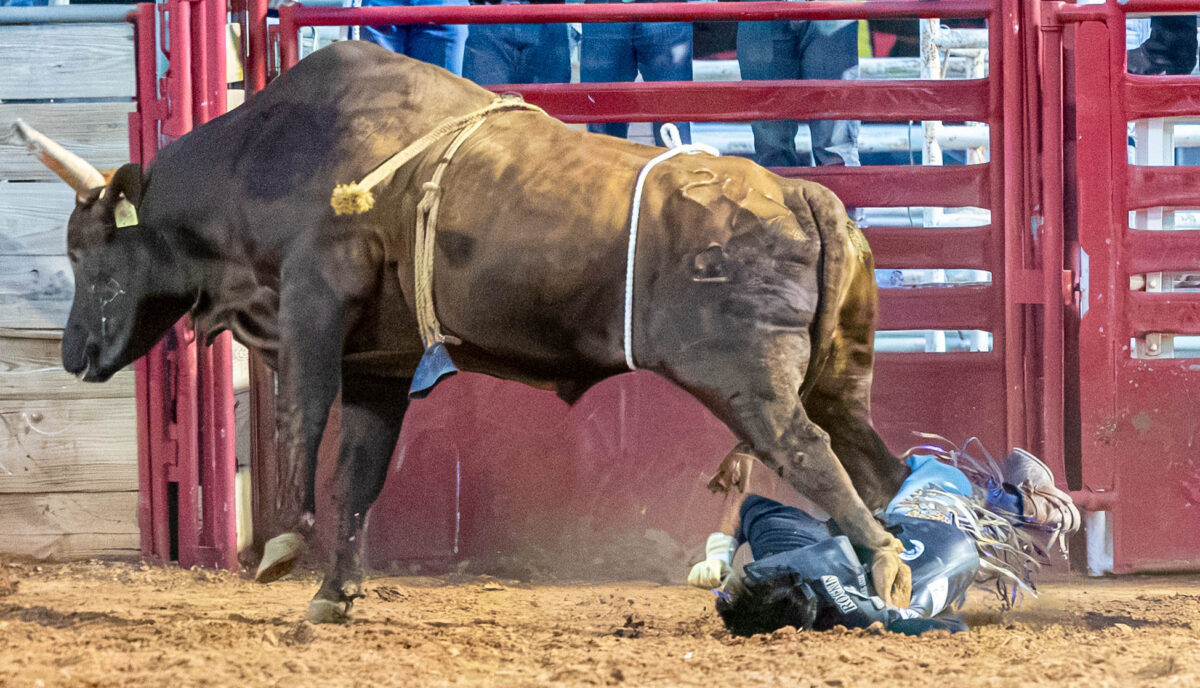
A rider is stepped on after being thrown on Friday night.
Ouch, as the bull is angry and steps on the rider.
Another rider was thrown and stepped on during his ride.

Bulldogs’ intrasquad scrimmage ends in a 14-14 tie

0

JT Keith

There was a lot of good to take from Friday’s intrasquad scrimmage, when the public got its first look at the defending Class 5A state champion Artesia Bulldogs.

Scrimmage

The scrimmage matched the weather: cool early, then bursting open with the sun as pads popped, big plays followed, and both teams scored twice in a 14-14 tie.

“These two weeks have been really fun,” Artesia head football coach Jeremy Maupin said. “We tried to divide the teams up evenly, and we saw a lot of good things and a lot of things we need to fix.”

Maupin said he was proud of the way his team attacked the last two weeks of camp.

Maupin said the depth chart is not set, with jobs still open and plenty of competition ahead. The Bulldogs will be off the week of July 20 because of the fair, then return the week of July 27 for conditioning, the state sanctions week of Aug. 3, as the official start of football, and the team will end with another intrasquad scrimmage.

“Everything is still open,” Maupin said. “There are some positions where guys have solidified that they are going to be on the field, but just how much, we are still working through.”

Experienced players

This year’s team will have 35 seniors, but the Bulldogs are still young in game experience. Maupin said one of the best things the coaching staff does is play a lot of players, whether in a rotation or on special teams. He said Jarod Flores played a lot as a sophomore, and Jonah Doporto, Ivan Chavez, Thomas Melendez and Brandon Baeza all played meaningful time.

“We had a lot of guys who played in critical moments, and that is a positive thing,” Maupin said. “This group has surprised me by how focused they have come out.”

At the skill positions, Maupin said several players made plays during the scrimmage. He noted George Blackburn IV and Layton Whitmire at receiver, said Tyler Egeland had a good two weeks and added that sophomores Logan Rodriguez and Kai Greathouse, along with seniors Destin Pacheco and Jaden Fernandez, have put together strong summers.

“Our skill guys, we plan on playing a bunch of guys,” Maupin said. “We have a bunch of weapons that teams are going to have to guard.”

JT Keith | Artesia Daily Press

A Srteisa receiver makes a catch during Friday’s scrimmage at the Bulldog Bowl.

Quarterbacks

At quarterback, Maupin said Lucas Atkin and Chance Hocker both showed growth, and the coaching staff is still sorting through the competition.

“Both quarterbacks did some really good things tonight and were really fun to see,” Maupin said. “The game ends in a 14-14 tie, and each one of them throws a touchdown, and each one had a pick.”

Maupin said the quarterbacks also had turnovers the Bulldogs have to clean up. Artesia put together big drives but did not always finish, and Maupin said he will have a better answer on the quarterback battle once the team jells together.

“I think Lucas Atkin has done a really good job as the senior guy coming in,” Maupin said. “He has been putting a lot of work in, and so I kind of continue to see him playing, and Chance is going to be nipping at his heels. He is doing a lot of good things, too. It is going to be fun for those two and how they compete.”

Next scrimmage

The next scrimmage open to the public will be at 5 p.m. Aug. 7 at the Bulldog Bowl. The event will include the band, cheerleaders, and a $5 hamburger fry.

After the scrimmage, the team will host its Friday Night Under the Lights kids camp for kindergarten through sixth grade.

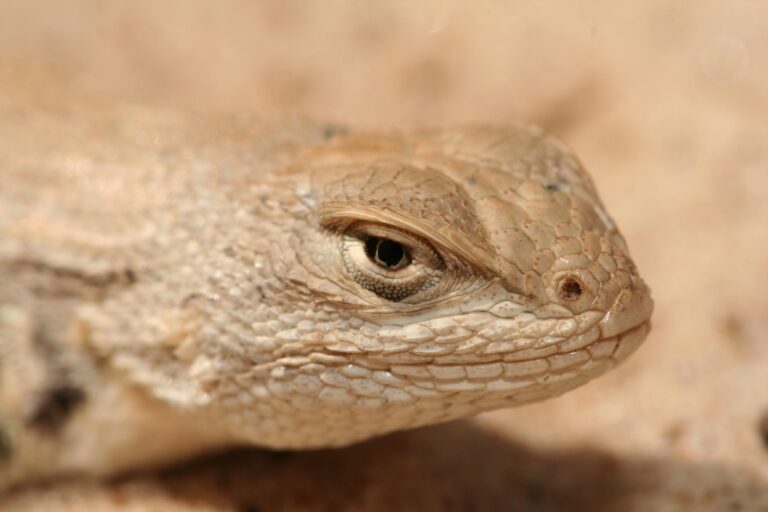
Dunes sagebrush lizard loses federal protection during court proceedings

0

A federal court rescinded protections for an imperiled lizard species that dwells among the sand dunes and oil rigs of the Permian Basin.

The dunes sagebrush lizard lives and breeds throughout southeast New Mexico and West Texas, using the sandy landscape and shinnery oak shrubbery for its habitat.

Expanding oil and gas development in the area, and the mining of sand used in drilling operations were listed as top threats to the species when the U.S. Fish and Wildlife Service listed the lizard as “endangered” on May 20, 2024.

But in a reversal, parent agency the U.S. Department of the Interior on Tuesday, July 21, signed a settlement agreement with the state of Texas rolling back the protections. The settlement was in response to the state’s lawsuit filed Sept. 23, 2024 – about five months after the listing.

Under the Endangered Species Act, “endangered” status means the agency believes extinction is imminent. The designation requires lands be set aside as habitat for such a species to recover, and limits development that could further impact its population.

The lower “threatened” status also restricts development in certain areas and indicates an endangered listing may soon be warranted.

In the settlement filed in U.S. District Court for the Western District of Texas, the federal government and state agreed that the sagebrush lizard’s listing failed to account for ongoing conservation work by federal, state and private entities in both Texas and New Mexico.

The Fish and Wildlife Service’s initial analysis of the lizard’s habitat was “incomplete,” read the settlement, and “potentially inaccurate.”

Within two years of the settlement’s July 21 approval by U.S. District Judge David Counts, the agency intended to begin a one-year study to reanalyze the lizard’s status and could reinstate its endangered listing.

“The Service now believes that it is necessary to reconsider its determination that the dunes sagebrush lizard meets the statutory definition of an endangered species,” the settlement read. “Defendants are aware of ongoing conservation efforts undertaken by federal, state, and private entities for the benefit of the dunes sagebrush lizard that will continue notwithstanding vacatur of the Final Rule.”

The settlement drew outcry from conservation groups that argued it was part of a pattern by the administration of President Donald Trump in curbing environmental protections such as those for endangered species.

Jason Rylander at the Center for Biological Diversity, a national environmental nonprofit, pointed to the February delisting of the lesser prairie chicken, a grouse species native to the plains of eastern New Mexico and West Texas, along with Colorado, Oklahoma and Kansas. That was in response to a lawsuit filed by the state of Texas shortly after the species’ 2022 listing.

And in 2025, the Interior Department announced plans to delist a group of river mussels native to Texas, in response to another lawsuit filed by the state.

Meanwhile, the Center for Biological Diversity filed its own lawsuit in June, arguing the federal government so far failed to set aside habitat lands for the Texas hornshell mussel, which was granted endangered status in 2018.

Rylander said such reductions in species protection occurred without public hearings or input. The Center filed an appeal after it was denied standing in the lesser prairie chicken case, and Rylander said another was being filed for the dunes sagebrush lizard.

“Courts should not wipe endangered wildlife protections from the books without a hearing or ruling,” Rylander said. “The Trump administration and Texas seem to have found a formula for eliminating listing decisions they don’t like. But imperiled species, their habitat and the rule of law itself are the real casualties here.”

Texas Railroad Commissioner Wayne Christian – the three-member railroad commission oversees regulation of the oil and gas industry for the state of Texas – said delisting the lizard was a “significant victory” against “regulatory overreach.”

“The goal was never about protecting wildlife,” Christian said. “It was about using federal bureaucracy as a tool to restrict oil and gas production and undermine American energy independence.”

Managing Editor Adrian Hedden can be reached at 575-628-5516, or @AdrianHedden on the social media platform X.

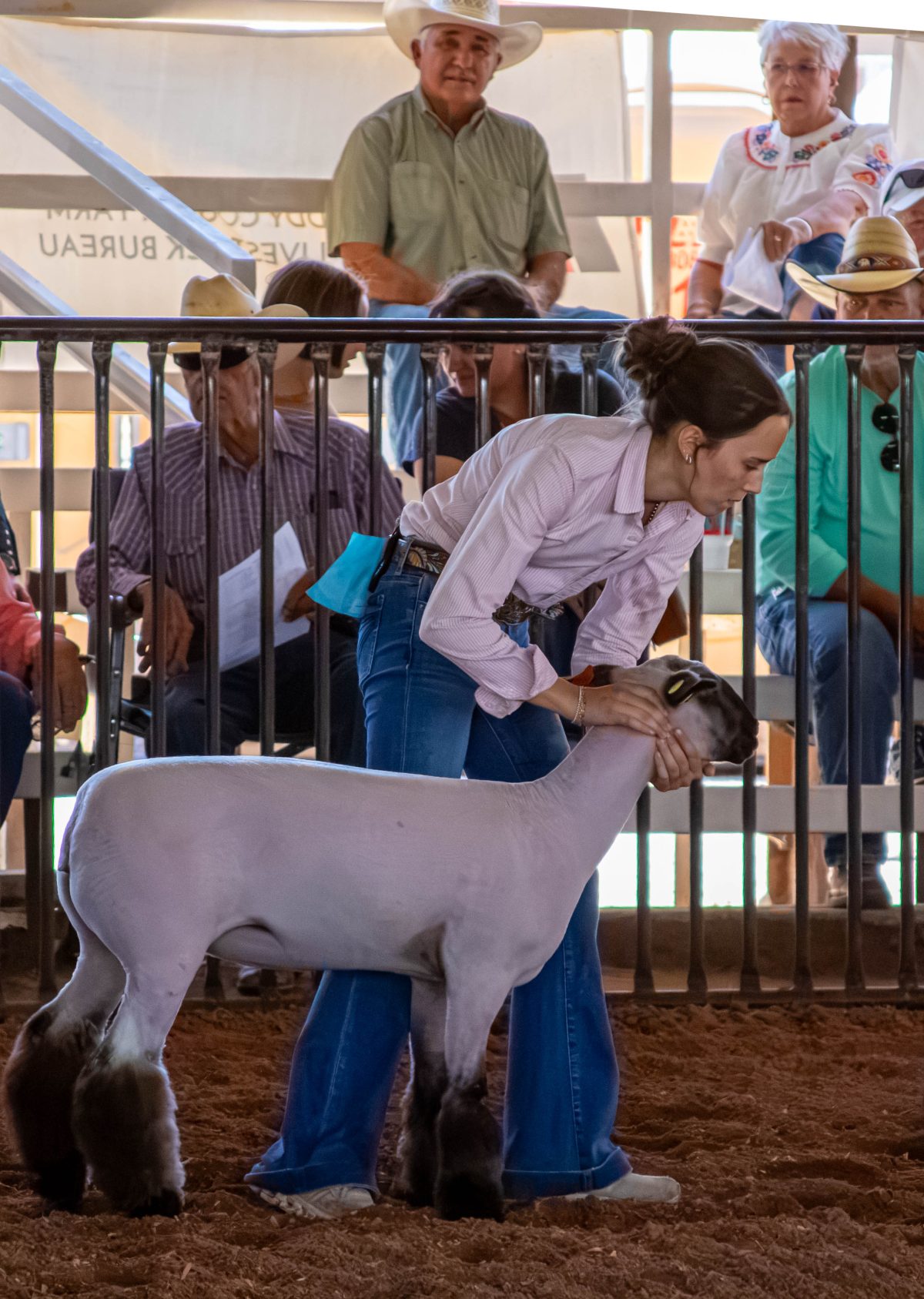
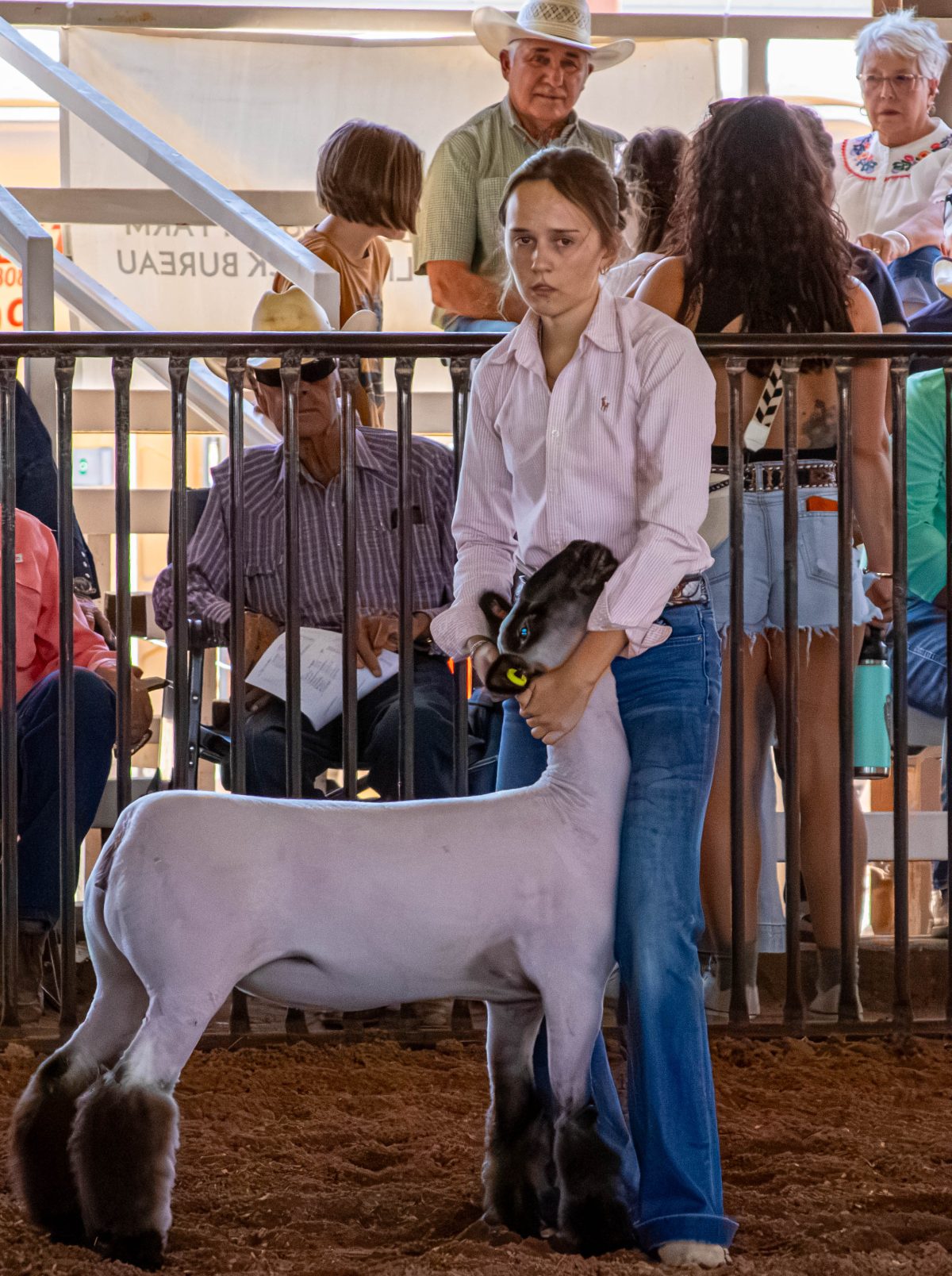
Scenes from the sheep contest at the 81st Eddy County Fair

0
JT Keith | Arteia Daily Press

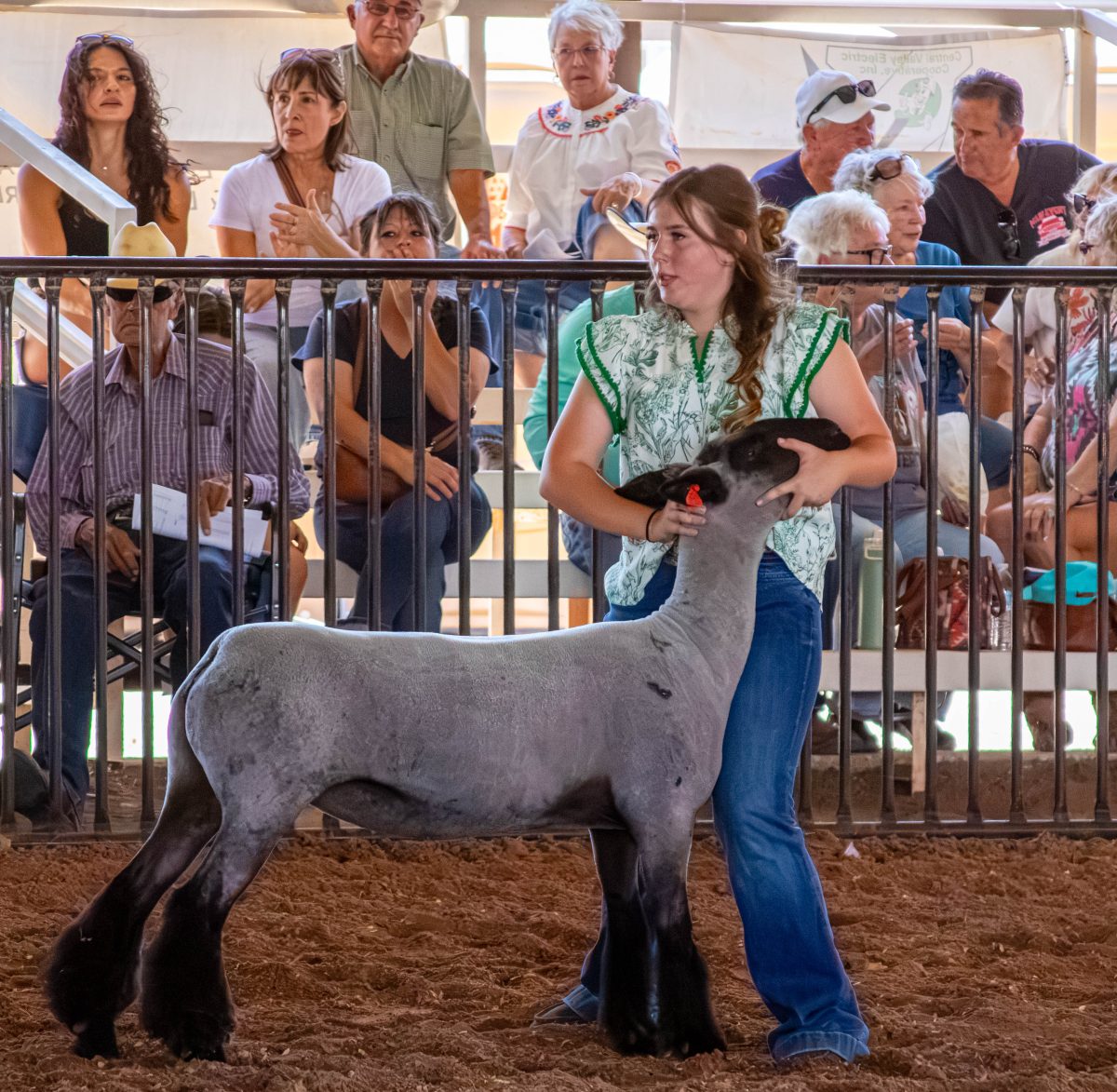
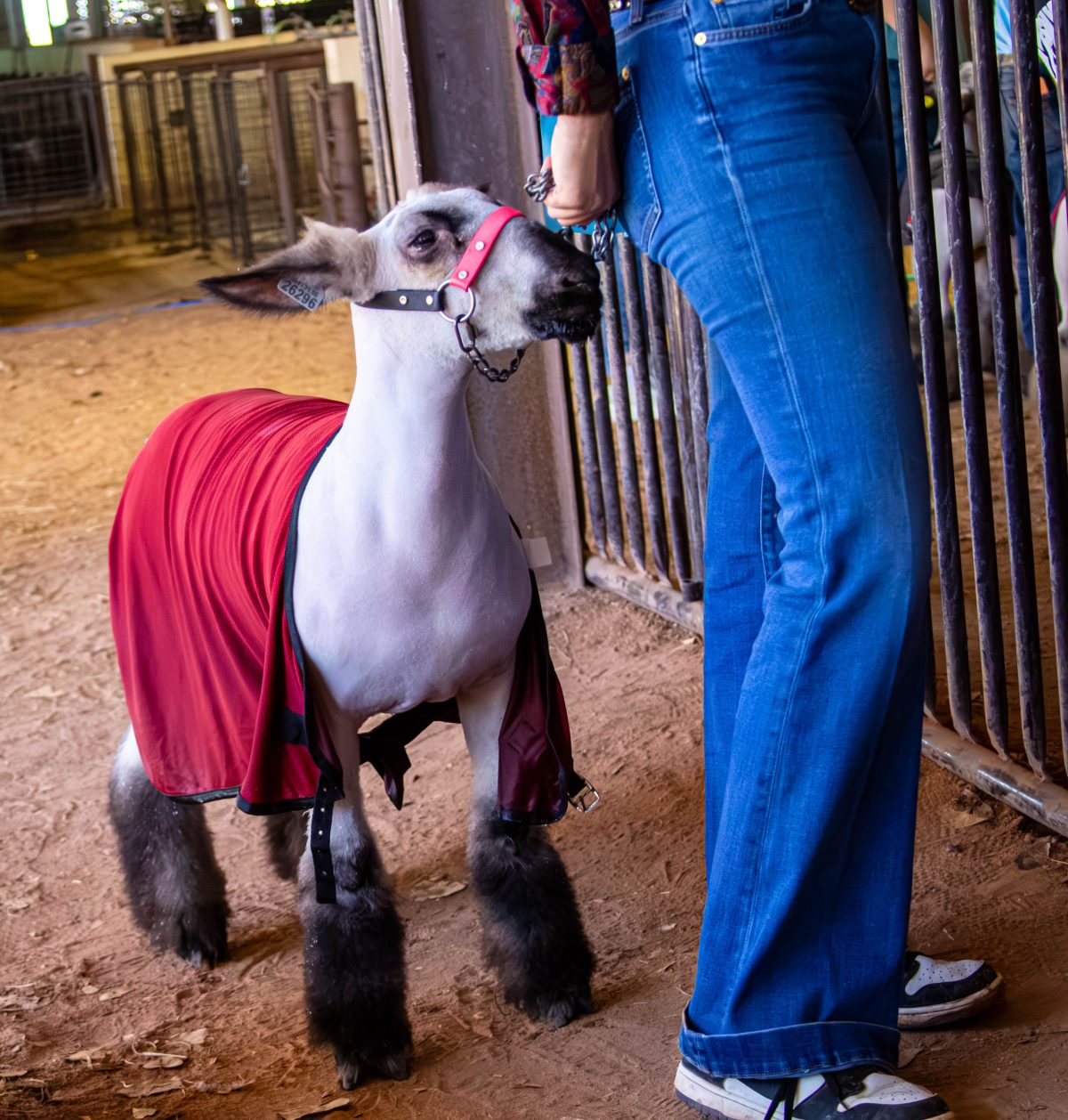
Artesia 4H member Colton Sandman shows one of his sheep during a Class at the Fair on Thursday.

Artesia FFA member Swayzee Folmar readies her sheep for the judge during Thursday Sheep Class at the Eddy County Fair.
Swayzee Folmar holds the pose with her sheep.
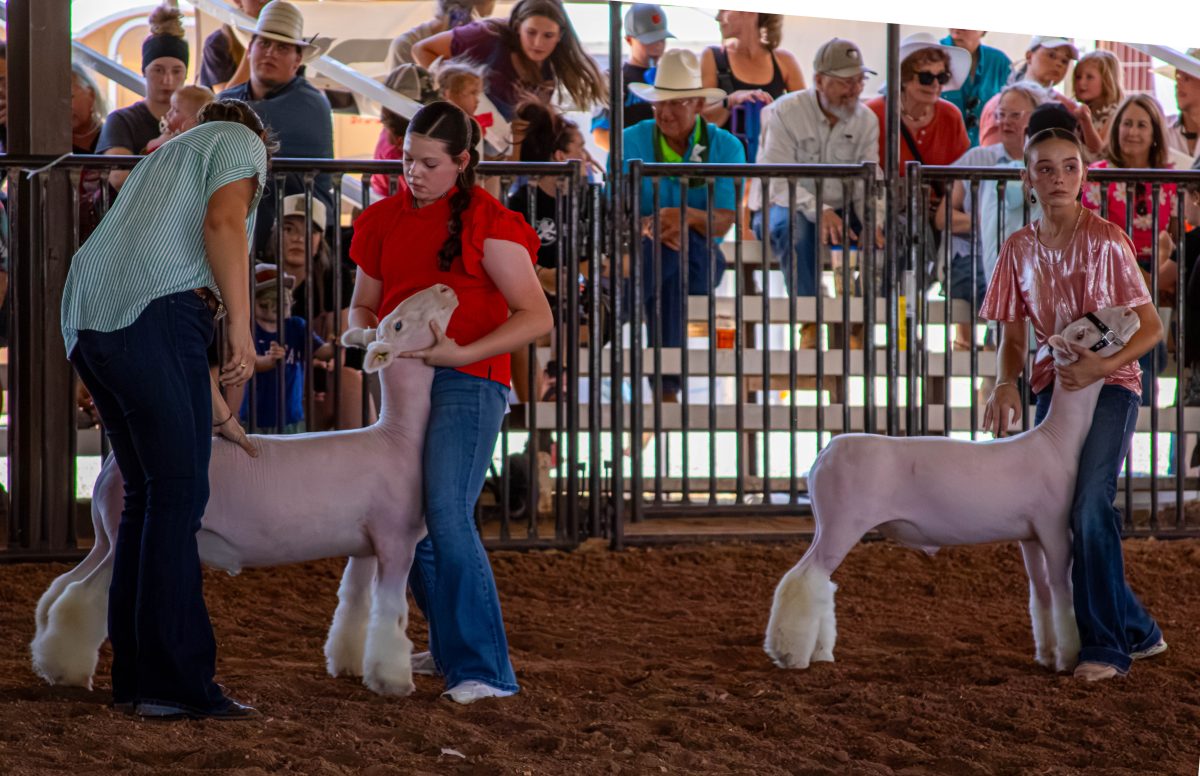
Swayzee Folmar and Colton Sandman hold the pose with their sheep for the judge.
An exhibitor holds the pose for the judge during the Eddy County Fair.
An exhibitor walks her sheep as she enters the judging ring for the sheep judging contest on Thursday.
An exhibitor walks her sheep during one of the Class judging contests.
An exhibitor walks her sheep into the ring as the judge watches.
Colton Sandman walks his second sheep into the ring on Thursday afternoon at the Eddy County Fair.
The judge feels the muscle of the sheep while an exhibitor watches.
The sheep judge feels the muscle of the sheep while an exhibitor watches.
A person takes photos of the action during the sheep contest on Thursday.
A person eyes ice cream as he gets ready to watch the sheep judging contest.
An exhibitor watches the other contestants in the sheep ring as her sheep stands by her.
Former Artesia basketball player Clay Kincaid shows off his sheep on Thursday.
Swayzee Folmar and her sister try to get their sheep to hold the pose for the judge.
Clay Kincaid looks at the judge with his sheep holding the pose.
Bailey Trujillo holds the pose with her sheep during the Sheep Class competition on Thursday at the Eddy County Fair.
Exhibitors hold the pose as the judge feels the muscle of the sheep.
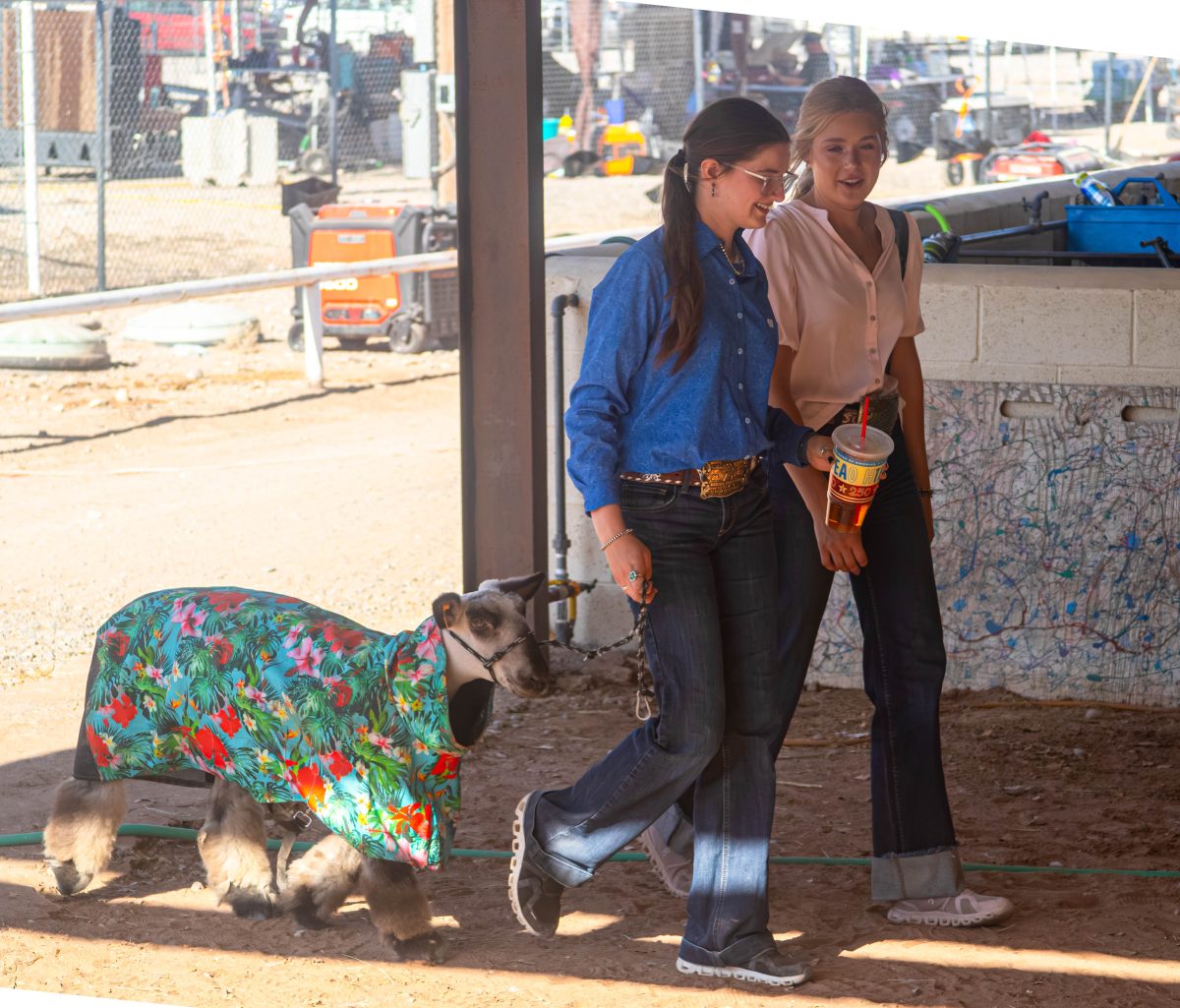
Exhibitors take a break and walk back to the ring with their sheep.

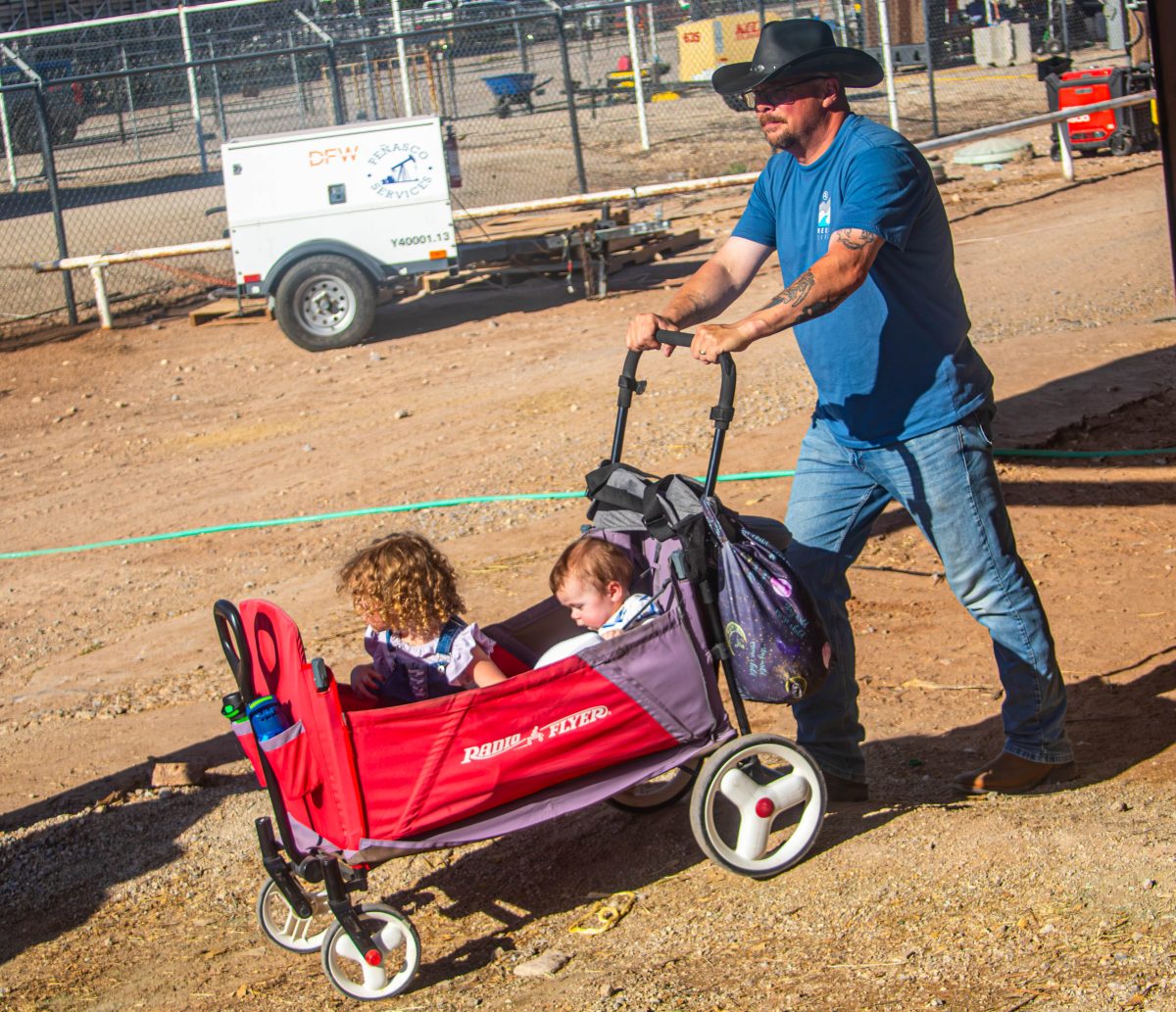
A dad pushes his kids in a wagon as they leave the Eddy County Fair on Thursday.
A dad puts down a pizza for his daughter during a break at the Eddy County Fair.
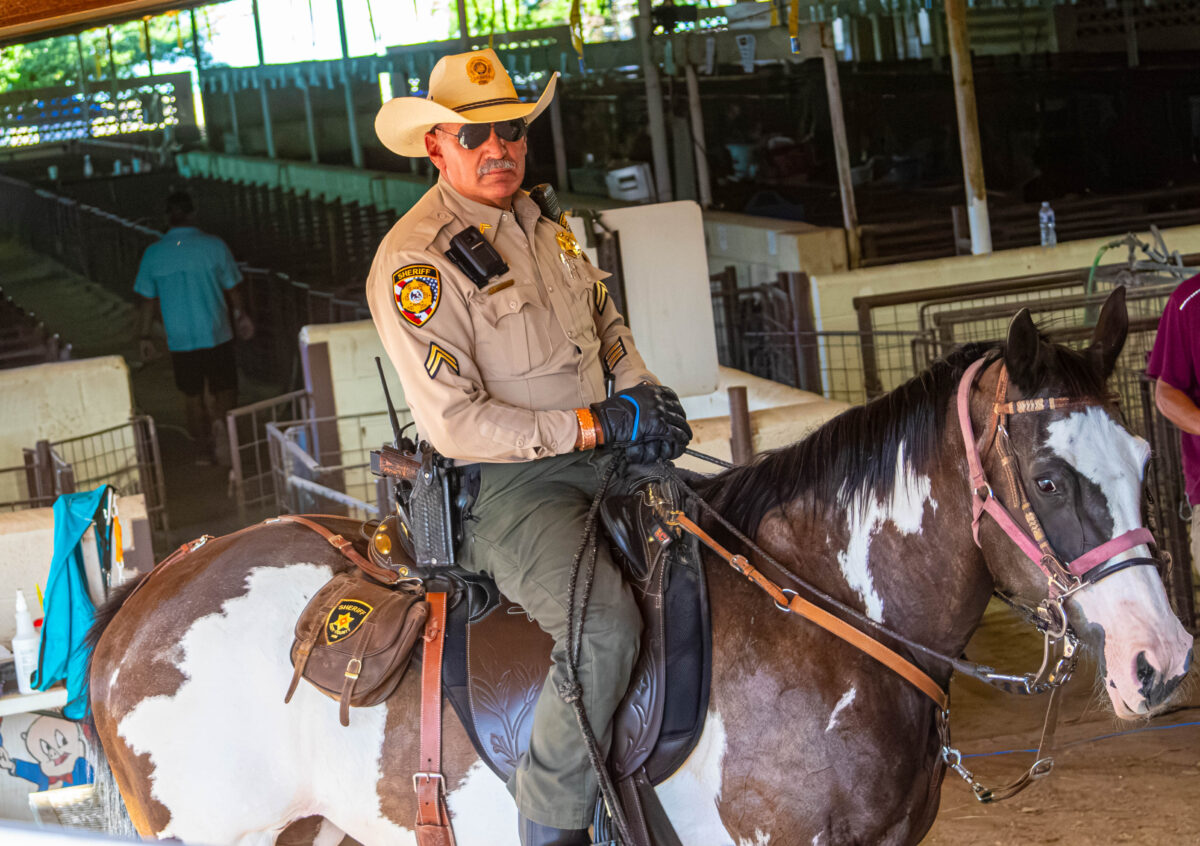
An Eddy County sheriff rides into the ring on his horse after the sheep contest on Thursday.

State Rep. Harlan Vincent: The Future of Our Forests

0

On July 15th, I participated with federal and state agencies, local governments, tribal partners, private landowners, ranchers, conservation groups, first responders, and community members for a Shared Stewardship Partnership discussion on the future of our forests. Wildfire, flooding, and forest health do not stop at property lines or political boundaries, so the people who deal with those consequences need to be part of the conversation.

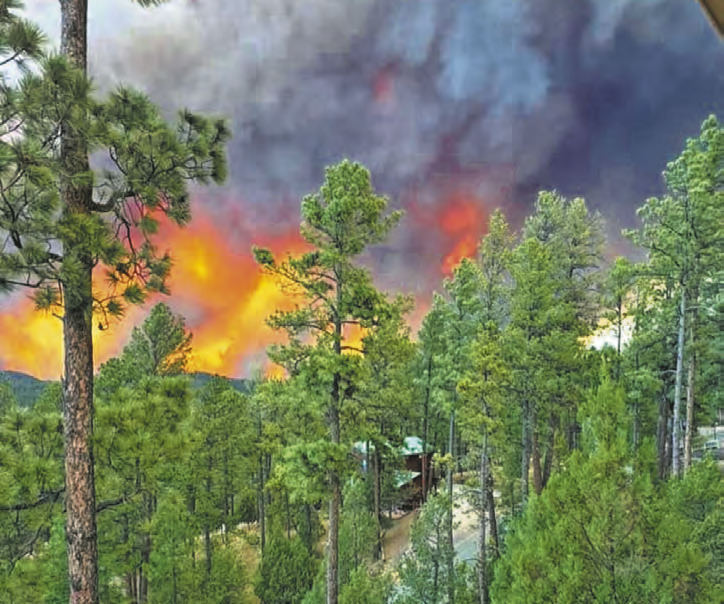
The South Fork Fire and the flooding that followed showed us exactly what is at stake. We watched homes and communities burn. We watched the damage continue long after the fire was out, as burned watersheds brought erosion, debris flows, and damage to roads, bridges, and the homes still standing. Forest management is not just an environmental issue anymore. It is a public safety issue, a water issue, an economic issue, and a property insurance issue.

We cannot keep spending enormous amounts of taxpayer money responding to disasters while underinvesting in preventing them. The best time to reduce wildfire risk is before the fire starts. That means removing hazardous fuels, thinning, prescribed fire where appropriate, restoring watersheds, and creating defensible space around our communities. Every acre we responsibly restore today reduces the risk of catastrophic wildfire tomorrow.

Signing an agreement is only the beginning. The people of District 56 need to see actual work completed on the ground. Success should be measured in acres treated, watersheds restored, wildfire risk reduced, and local jobs created. Whenever legally possible, local contractors and local workers should do this work. They understand the land, and they keep taxpayer dollars in our communities. I will be watching closely to make sure forest restoration funding reaches rural communities and is not tied up in bureaucracy.

Healthy forests also affect property owners directly. As wildfire risk rises, insurance becomes more expensive and harder to get. We cannot expect insurance rates to improve if we do nothing about the underlying risk. Forest restoration will not fix every insurance problem, but it is part of the solution, and it shows we are taking real steps rather than waiting for the next disaster.

Wildfires do not recognize property boundaries, and floodwaters do not stop at fence lines. That is why this work requires everyone at the table: federal and state agencies, counties, municipalities, tribal governments, landowners, ranchers, sportsmen, conservation groups, and first responders. Local governments, landowners, ranchers, tribes, and residents need a voice early in project planning, not after the major decisions are already made. Healthy forests and watersheds also mean better habitat for elk, deer, turkey, and native fish, and they support the hunting, fishing, and outdoor recreation that matter to our economy and our way of life.

Going forward, my goals are straightforward: increase the pace and scale of forest restoration, support funding for wildfire prevention, make sure that funding results in real work on the ground, support local contractors, improve coordination among all our partners, and stay focused on measurable results and accountability for taxpayer dollars.

We cannot wait until after the next fire or flood to start planning. Lincoln County and Mescalero have already lived through the consequences of catastrophic wildfire and flooding. Healthy forests mean safer communities, healthier watersheds, stronger local economies, and a better chance of protecting our residents from the rising costs of catastrophic wildfire. I will keep pushing for practical, responsible forest management and for investments that protect our communities before disaster strike.

Harlen Vincent represents New Mexico’s 56th House District, including portions of Lincoln and Otero counties.

Fodge prepared for the Eddy County Fair

0

Marshall Mecham

The Eddy County Fair is set for July 21-25, and 17-year-old Samuel Fodge said he and his animals are ready.

“I’m pretty prepared,” Fodge said. “I think I’m coming with really good resources and preparation.”

A full fair schedule

Fodge will be busy with several fair events, including livestock shows, serving on the Junior Fair Board and participating in the Eddy County Fair Parade.

Before the fair, Fodge can be seen in the parade at 7 p.m. Friday, July 17, beginning at Bulldog Bowl and ending on Second Street. He said he will be on either the Artesia FFA float or the Junior Fair Board float.

After that, Fodge’s events will be held at the Eddy County Fairgrounds, starting with the Prospect Yearling Class at 9 a.m. Wednesday, July 22. He also will compete in the 2-Year-Old Futurity at 2 p.m. and the Market Cattle Show at 10 a.m. Thursday, July 23.

Early mornings and late nights

Fodge will show his steer Shaq, yearlings Stewie and Pet, and 2-year-old horse Brock.

Fodge said he and family friends have continued to work hard to get Shaq ready for the fair.

“We’ve been washing calves and trying to get his hair ready for the fair at 5 a.m. each morning,” Fodge said. “We do the same thing every night at 8 p.m. as well.”

Fodge said he also prepares his yearlings multiple times a week with a large group of exhibitors, using pressure-and-release training.

“On Mondays and Thursdays, I’m part of a yearling group practice,” Fodge said. “We usually meet around 5:30 p.m. and work as late as we need to, even if that means midnight. We’re a big group from Eddy County, but other counties are more than welcome to join us too.”

Fodge said his animals will be judged on a variety of things.

“For the yearlings, there are halter, trail, showmanship and lunging portions,” Fodge said. “For the steers, they must have really good calves.”

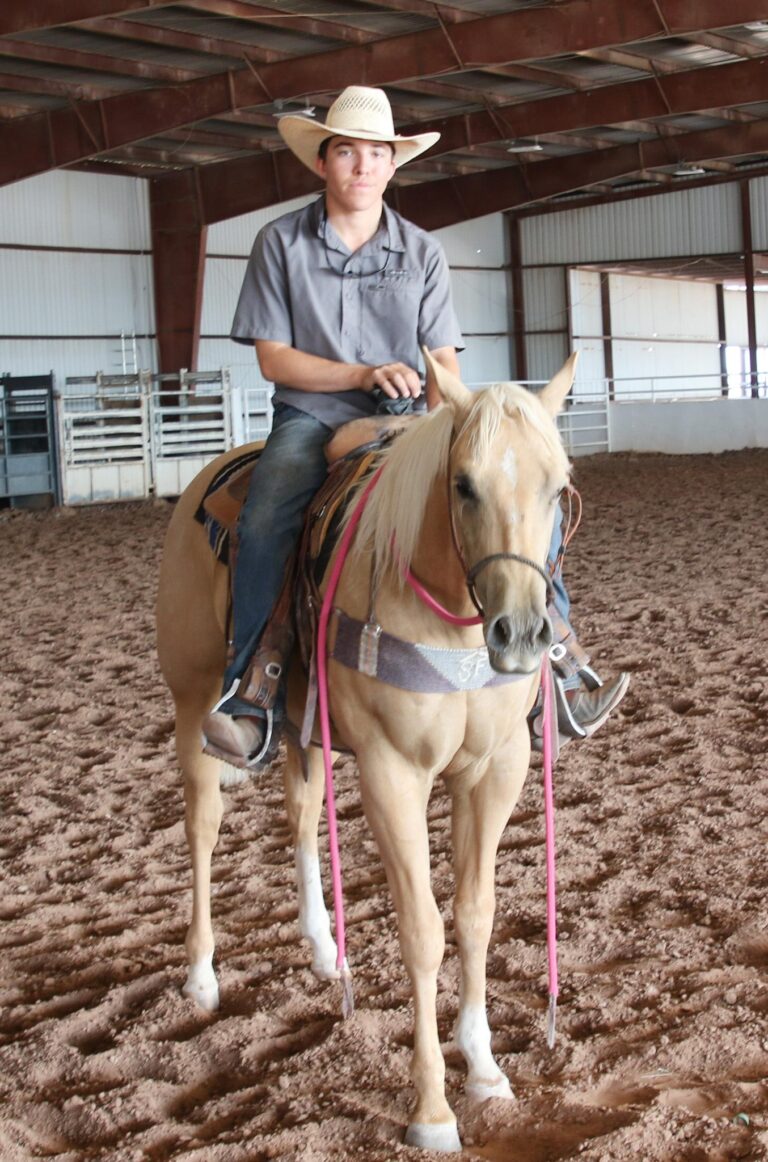
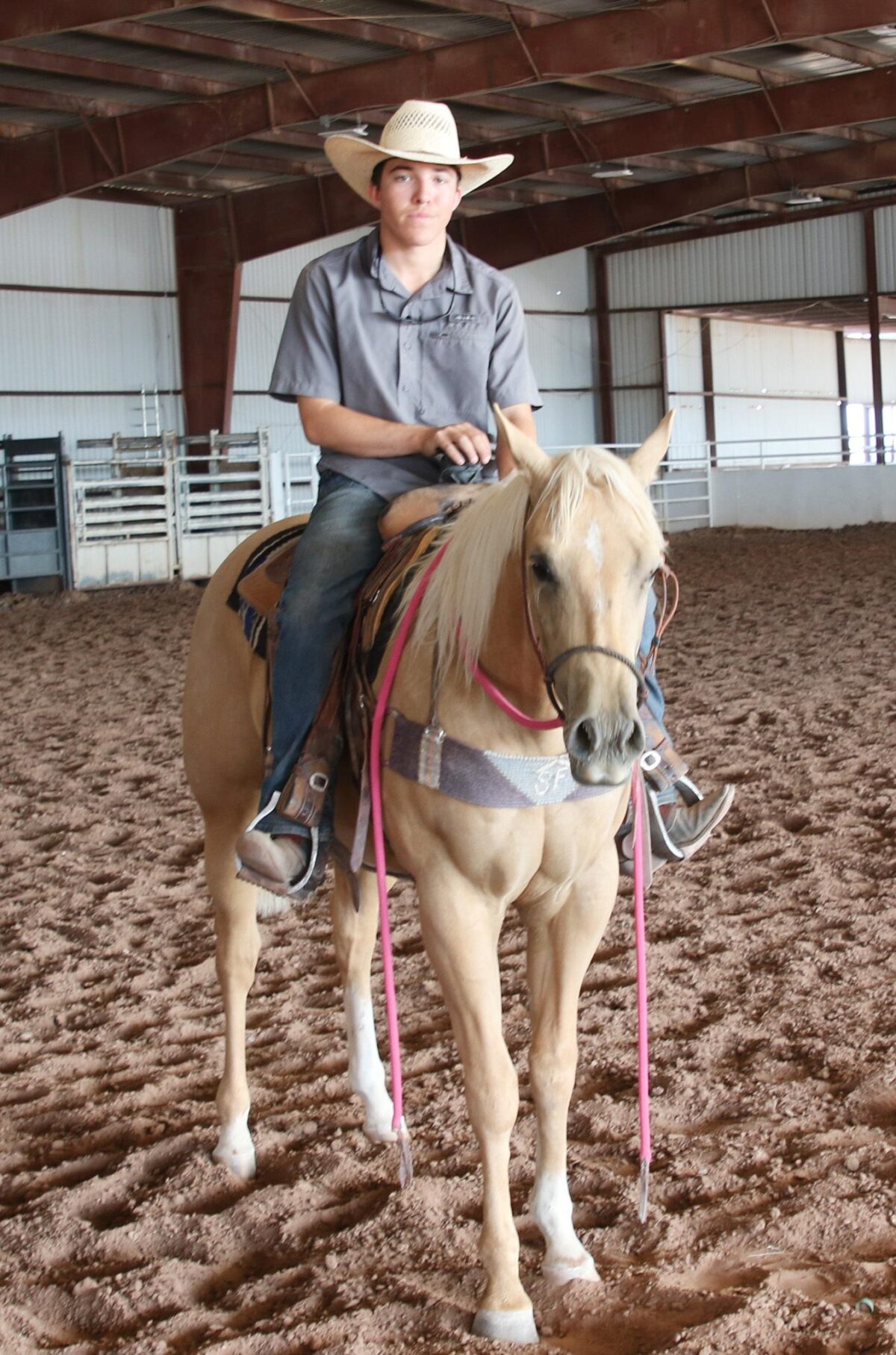
Samuel Fodge is getting ready for the fair.

A reflection of the work

Fodge said he is happy with the work that has gone into getting his livestock ready for the fair.

“I think I could have definitely pushed myself just a little bit harder, but I think for where I’m at now, I’m pretty satisfied with how much work I put in,” Fodge said. 

Marshall Mecham covers sports for the Artesia Daily Press. He can be reached at (915) 232-1793 or on X @mecham_marshall. Mecham serves with the New Mexico Local News Fellowship, which places emerging journalists in newsrooms across the state. Learn more at www.newmexicolocalnewsfellowships.org.

A look at the 81st Eddy County heifer and goat contest

0
JT Keith | Artesia Daily Press
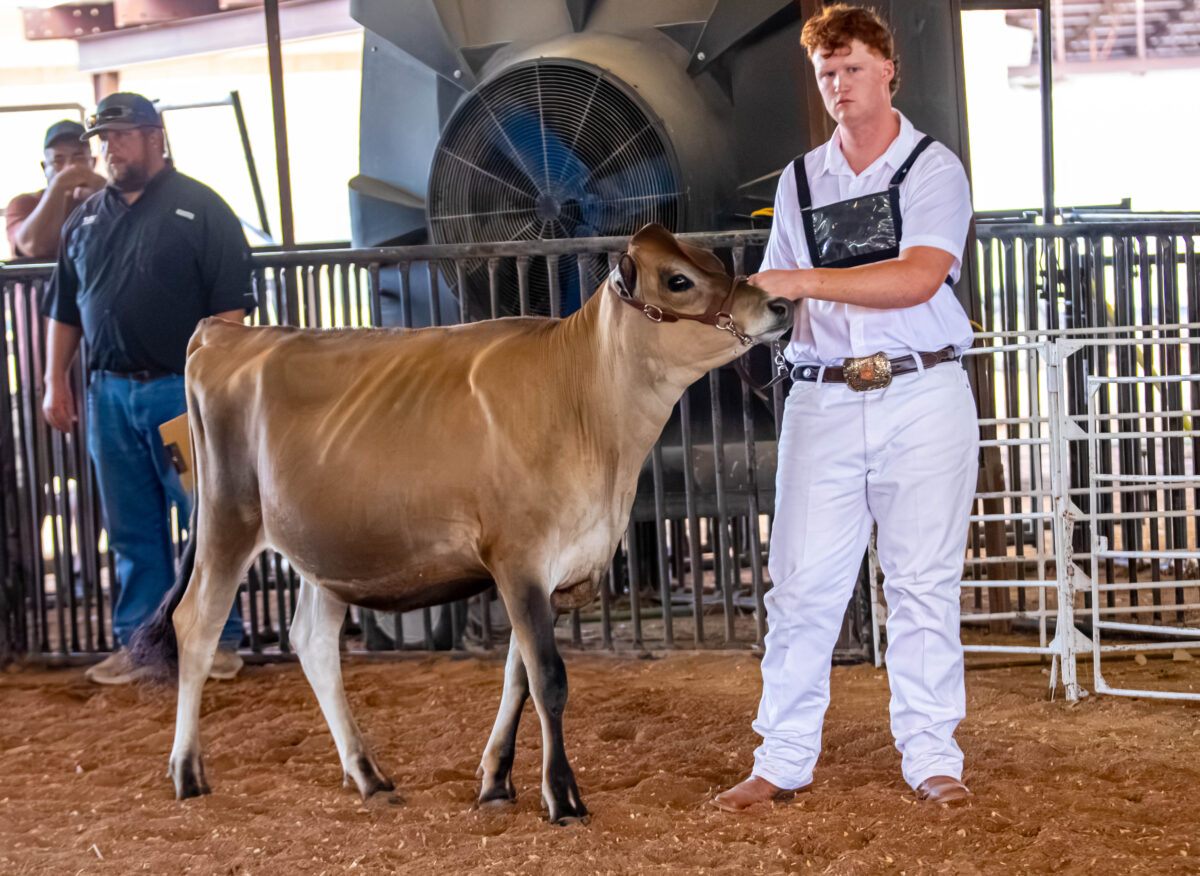
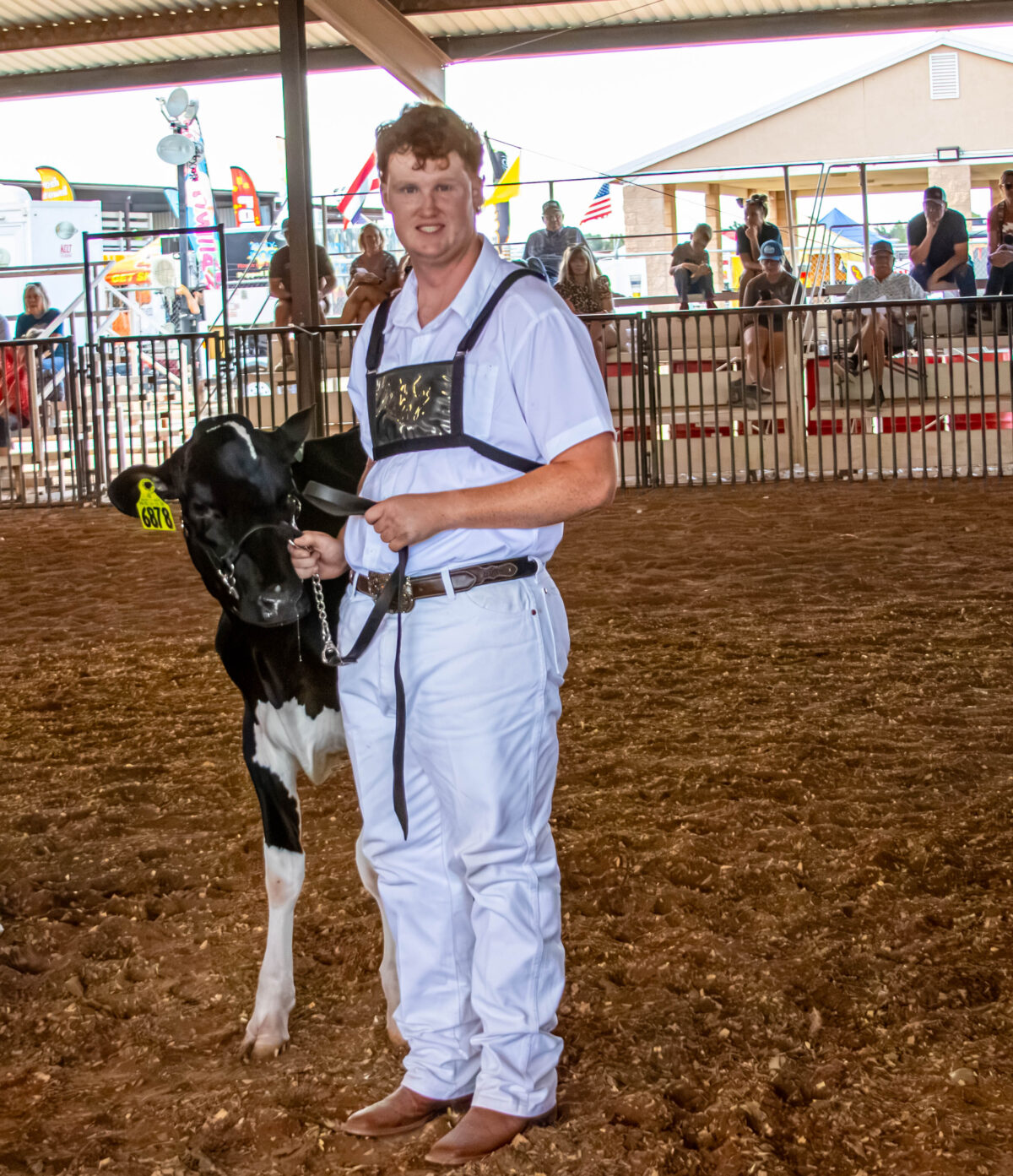
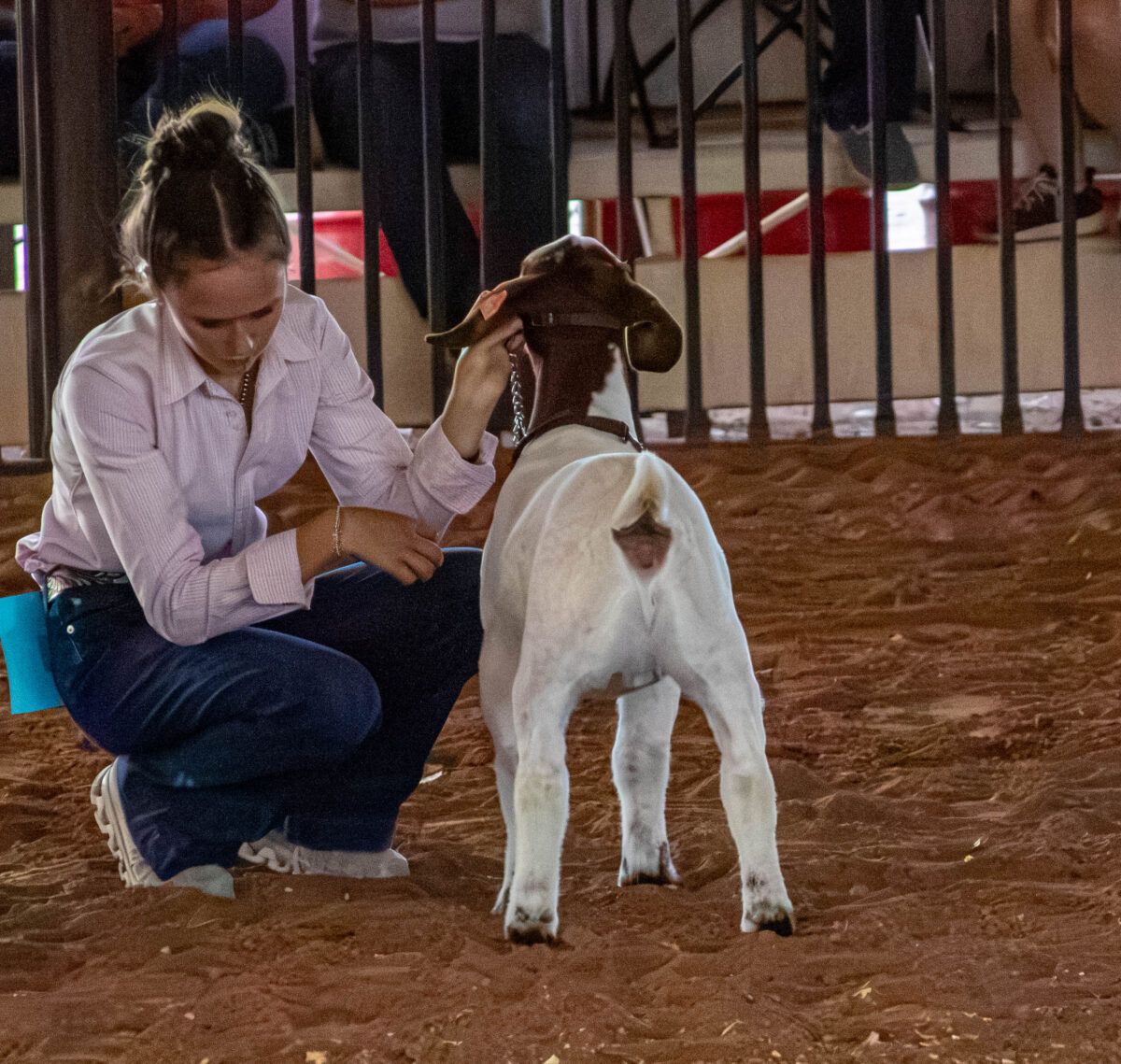
Kyle Bean did well with a second-place finish and two third-place finishes to go with a fourth-place finish.
Kyle Bean is happy with the results.
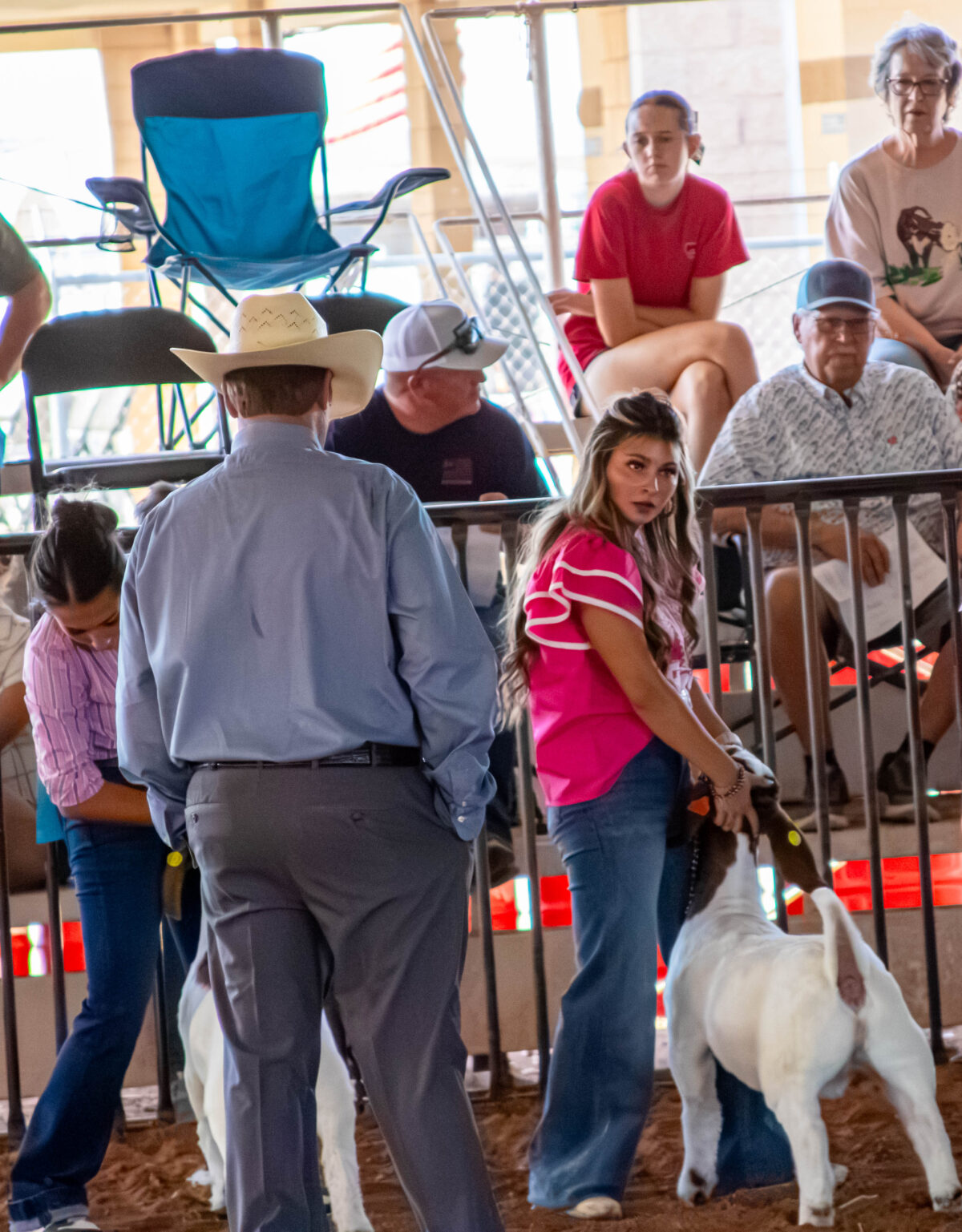
Baily Trujillo had a great day showing her goats.

Here is the Reserve champion.

Bailey Trujillo is congratulated on finishing in second place in one of her classes.
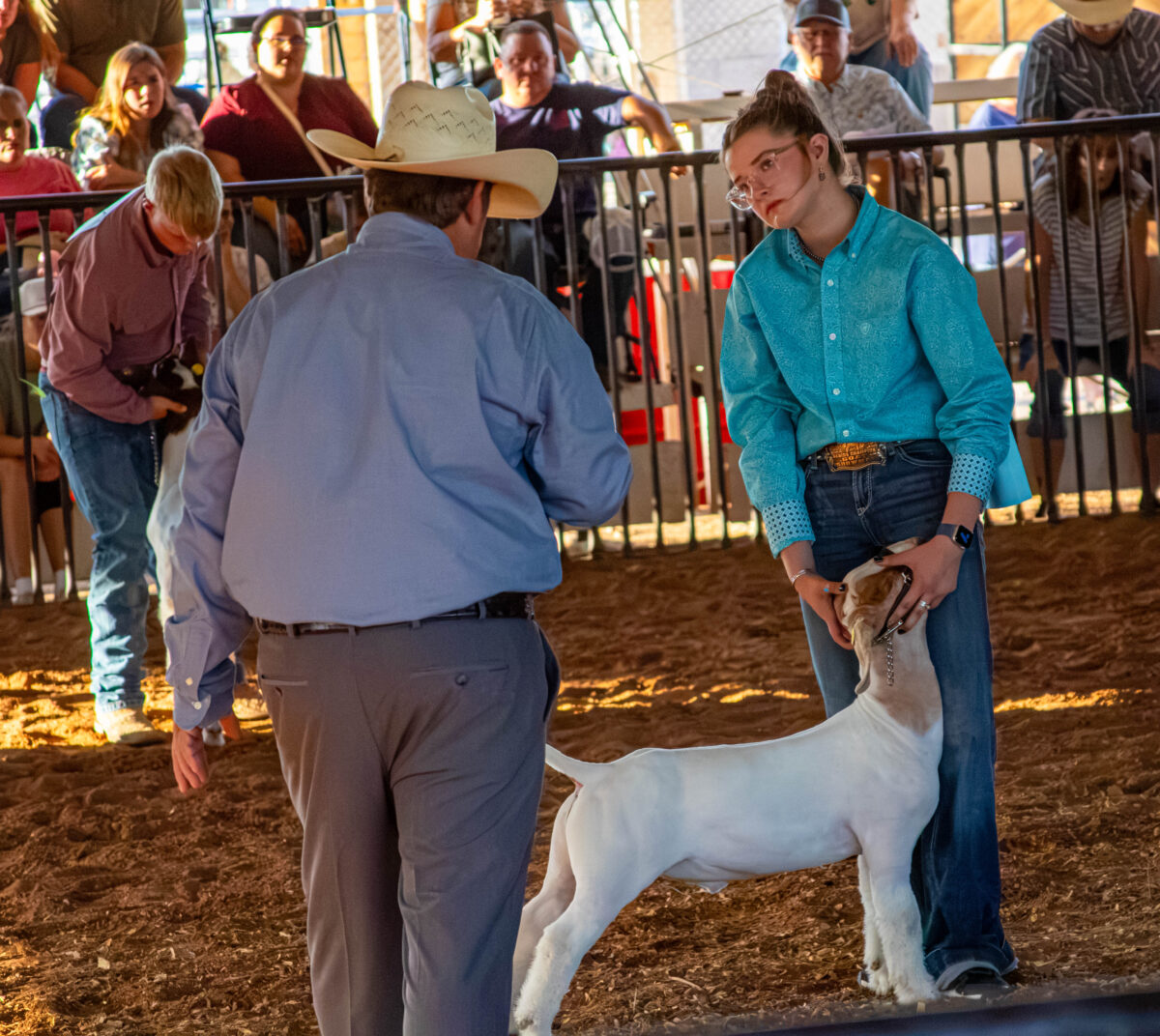
One of the competitors waiting her turn before the judge looks at her goat.
The judge gives her positive feedback on her goat.
The judge gives two competitors feedback on their goats.
Two competitors wait for the judge to tell them about their goat.
The judge shakes hands with one of the competitors on Tuesday night at the Eddy County Fair.

Bailey Trujillo and the competitor wait for the judge; Bailey would win in a class on Tuesday night.

A disappointed competitor looks at her goat as she waits for the judge on Tuesday night.
Bailey Trujillo is next as the judge talks to her opponent about judging the goats.
Bailey Trujillo shakes hands with the judge after being awarded first place in her goat class.
The judge talks to a young man about his goat during Tuesday night’s competition at the 81st Eddy County Fair.

The Bean family prepares dairy heifers for the Eddy County Fair

0

JT Keith

Artesia Daily Press

Daily work behind the show ring

With the 81st Eddy County Fair approaching July 21–25, Artesia High School student Kyle Bean is giving the Artesia Daily Press a look at the work that goes into preparing dairy heifers for show week. For the Bean family, summer isn’t a vacation season — it’s a season of steady, hands‑on care.

Kyle’s eight dairy heifers require at least 30 minutes of exercise three times a week. He walks four at a time by tying them to the back of his Polaris and leading them in a slow circle around the field. The schedule shifts depending on the family’s workload, but the routine stays consistent. After walking, the heifers are rinsed, and later they’ll receive a full haircut to prepare them for the fair.

The Beans rarely travel during the summer. Their family time is spent working with the animals, and any vacation they take usually happens during Christmas break.

Preparing heifers for the fair

With less than two weeks until show day, Bean tested his heifers for tuberculosis and discovered that two were five and six months pregnant.

“The whole point of a dairy heifer is for them to get pregnant so they can have a baby,” Bean said. “That way they can produce milk and then sell it later on. It is very good that they are pregnant, and we are glad they are pregnant.”

In a few months, the Beans expect new calves on the ground. The two pregnant heifers will eventually be sold to another dairy, where they will enter full production. The calves will stay with the Beans as the next generation of show animals.

The family also owns P7 Dairy in Roswell and regularly purchases embryos. They expect two Jersey embryo calves in September. Bean said a heifer might cost $2,000–$3,000, while an embryo runs about $500.

Improving genetics through embryology

Dusty Bean, Kyle’s father, said embryology is becoming a major part of the dairy industry.

“I think that the next big thing in the dairy industry is embryology,” he said. “If I can reproduce those genetics and make my herd better, I can do it faster through embryos than I can through natural breeding.”

For the Beans, embryos are a cost‑effective way to produce high‑quality show cows and strengthen their herd.

What happens after the fair

Dairy heifers are not terminal animals. After the fair, they return to their regular routines — breeding, calving and milk production. Their productive lifespan typically ranges from five to 11 years, with each pregnancy marking a new lactation cycle.

Other livestock at the fair have different purposes. After the steer, lamb, goat, pig and poultry shows conclude, those animals enter the food supply through professional processors. Families raise them specifically for meat production, and the fair marks the end of their project cycle.

Bean said dairy heifers eventually reach the end of their productive years as well. When they no longer produce enough milk, they transition into the beef market.

A message about agriculture’s future

“In the whole world, out of eight billion people, only one percent of those people are farmers,” Bean said. “If you think about it, it is the one percent feeding the 99%. And that one percent is feeding the entire world. Agriculture provides food, shelter, and clothing. The number of farmers in the world is dwindling, and it is very scary for the future of agriculture.”

Bean said he hopes more people learn about FFA and agricultural education, so the next generation understands how essential farming is.

He worries that if the number of agriculturalists continues to shrink, feeding the world will become increasingly difficult.

New Mexico lawmakers to propose oil and gas setbacks, again in 2027 for a one-mile buffer zone between houses and schools

0

New Mexico lawmakers could revive a proposal to push oil and gas wells further away from communities across the state.

During a Monday, July 13, meeting of the Legislature’s interim Water and Natural Resources Committee lawmakers on both sides of the aisle debated the idea, which took the form of House Bill 35 during the 2025 legislative session.

Interim committees made up of lawmakers in both the House and Senate meet throughout the year and across the state to discuss issues and potentially devise legislation for the upcoming lawmaking session.

HB 35, sponsored by Democratic Reps. Debra Sarinana of Albuquerque and Joanne Ferrar of Las Cruces, died during last year’s 30-day session after it was approved by the House Energy and Natural Resources and Health and Human Services committees.

The bill would have mandated a one-mile buffer area between oil and gas facilities and occupied buildings such as homes and schools throughout the state.

The bill stalled when the full House failed to vote on it before the session ended March 22, 2025.

In New Mexico, legislative sessions alternate between 30 and 60 days in length. The shorter sessions focus on budgetary issues and are held in even-numbered years.

The next 60-day session starts in January 2027.

Sarinana said during Monday’s interim committee meeting that a similar bill would be brought forward during next year’s session.

“We will be fighting hard,” she said, to keep wells “at least a mile away from schools because these kids deserve better. They deserve to breathe clean air.”

Republican Rep. Mark Murphy of Roswell questioned if oilfields were truly to blame for air quality issues in rural southeast New Mexico.

“Different communities have different issues they need to deal with, but southeast New Mexico is no worse than Albuquerque, Santa Fe or the northwest,” he said. “I’m not saying we shouldn’t improve our air quality everywhere, but to focus on the oil patch, I think, is misguided.”

‘Something is escaping’

Mandy Sackett, lead New Mexico campaigner with national environmental nonprofit Earthworks, testified at the meeting in Roswell, advocating for legislation to impose a statewide setback blocking oil and gas facilities alongside homes and other occupied structures.

Sackett said Earthworks uses infrared cameras to track New Mexico oil and gas emissions that are “invisible to the naked eye.”

Many instances of such air pollution occur in areas near schools and neighborhoods, Sackett said.

She said the cameras do not specify which gasses are being emitted or in what quantity but suggested that if the plumes recorded were produced by steam or other non-polluting emissions they would “dissipate quickly.”

“It tells us conclusively that something is escaping into the air that shouldn’t be,” Sackett said.

Several of the emissions documented in New Mexico by Earthworks were occurring without violating current regulations, Sackett said, often within what she described as regulatory “gaps.”

“These rules as written are allowing too much pollution and it’s reaching the lungs of nearby students, patients and residents,” she said.

Specifically, Sackett pointed to Ocotillo Elementary School in Carlsbad, which she reported was about 450 yards downwind from a facility operated by Permian Resources, a Midland, Texas-based oil and gas company that operates several production facilities around the city.

Toxicologist doubts oil and gas setbacks

Toxicologist Debra Kaden, who spoke to lawmakers on behalf of industry trade group the New Mexico Oil and Gas Association, argued that pollutants in the air dissipate quickly after being emitted, some within 200 feet of the well site.

Kaden works for environmental consultant RHP Risk Management and said she has studied the health impacts of air pollution for the past four years.

She said she did not believe setbacks were needed “from a health perspective.”

“People don’t actually live at the fence line or sit on top of a stack to live,” Kagen said. “You need to understand what they’re actually exposed to. Evidence of exposure from 900 feet away does not mean those children were exposed to anything.”

Michelle Miano, director of the Environmental Protection Division at the New Mexico Environment Department, said that regardless of where oil and gas facilities are located, the state tracks a variety of emissions using a network of air monitors as far south as Carlsbad and as far north as Farmington.

The pollutants monitored include volatile organic compounds and chemicals that form ground-level ozone or “smog” when interacting with sunlight, Miano said. She said areas such as Carlsbad near oil and gas operations had higher levels of ozone than the state viewed as “healthy.”

Miano advocated for more funding from the state to expand its network of air monitors, potentially to include rural areas.

“Air knows no boundaries and occurs at a variety of elevations and is impacted by a variety of conditions, such as geography and meteorology,” Miano said.

Sackett argued that monitors were “no substitution” for setbacks and said more regulations were needed to prevent pollution.

“There is really strong scientific consensus that distance is the single most effective tool that we have to reduce exposure to oil and gas pollution near schools,” she said. “It is shameful that this issue continues to impact many of our educational facilities and young New Mexicans when this Legislature has the power to implement these common-sense regulatory tools.”

Managing Editor Adrian Hedden can be reached at 575-628-5516, or @AdrianHedden on the social media platform X.