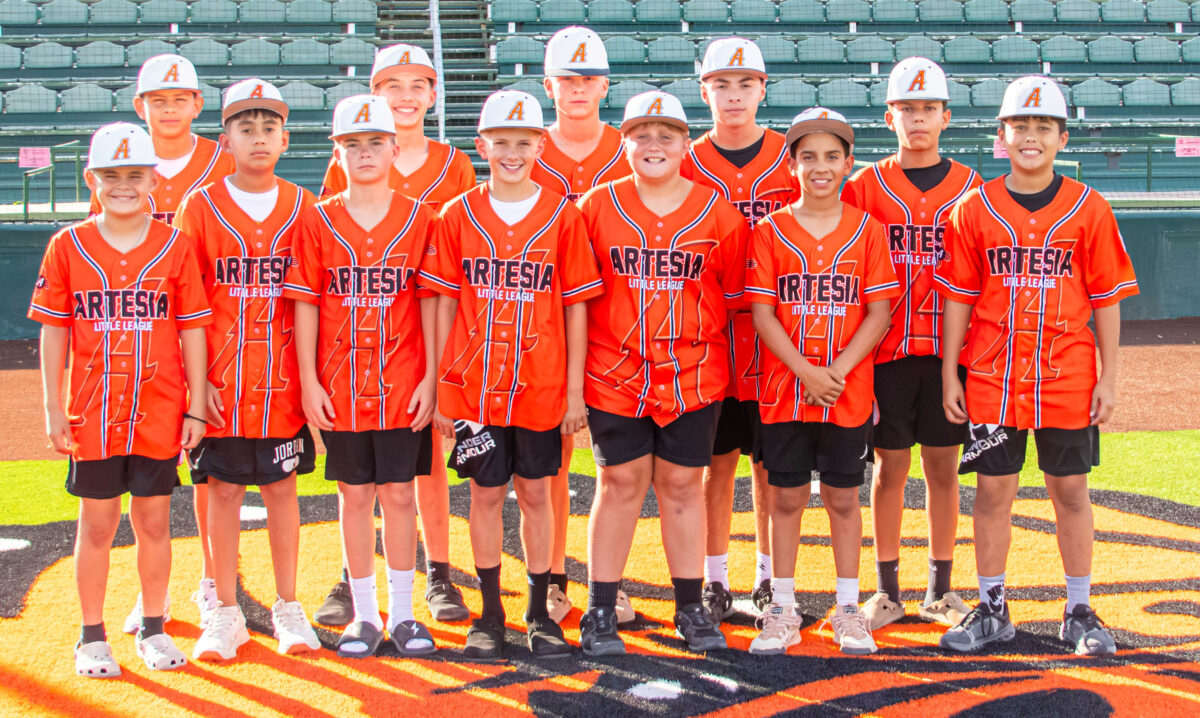
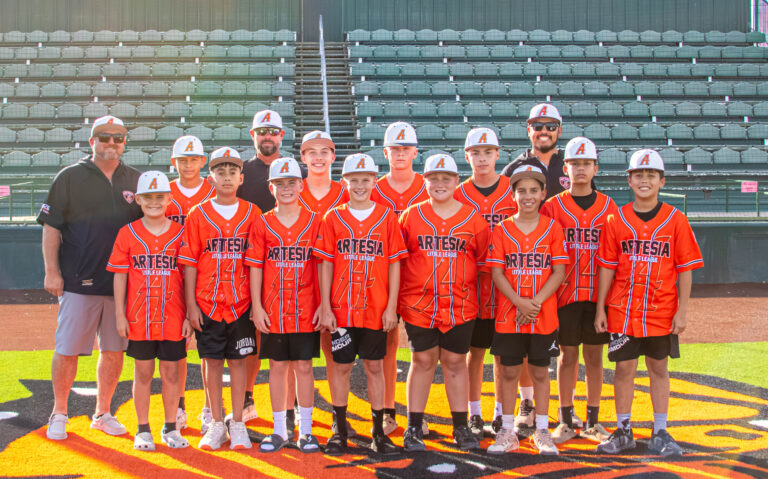
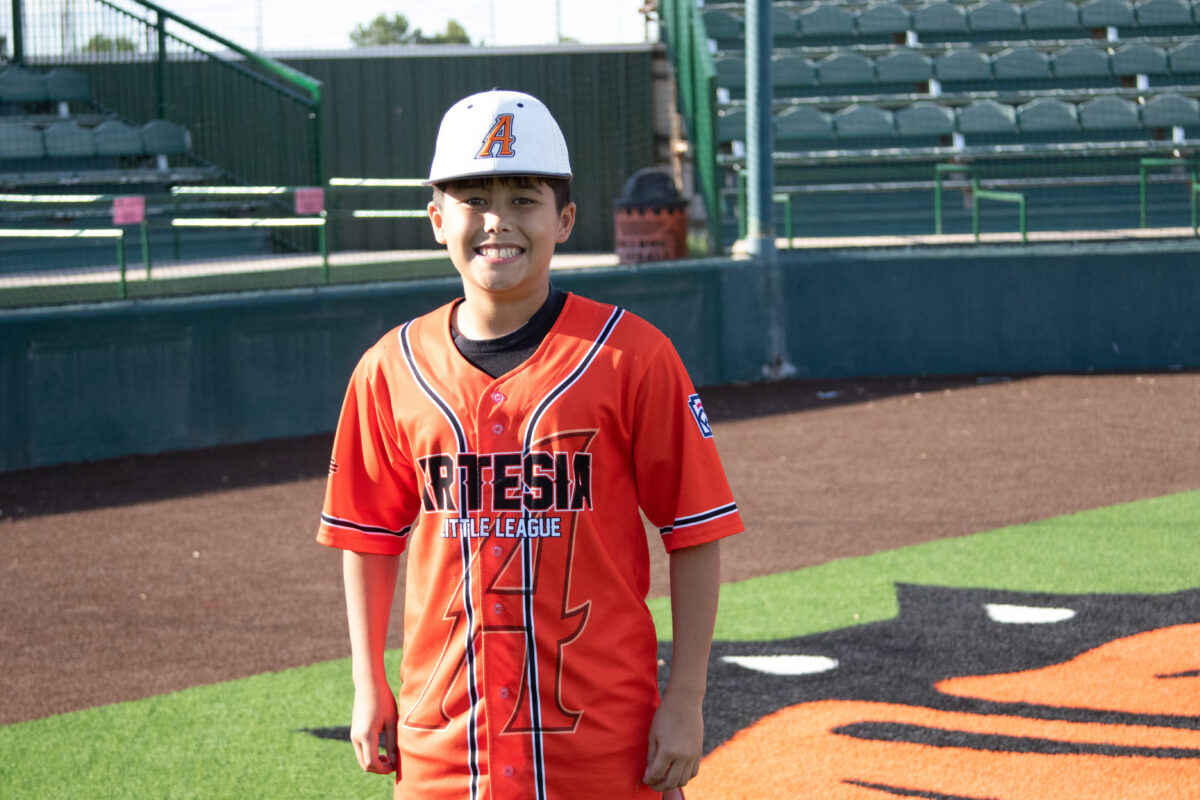
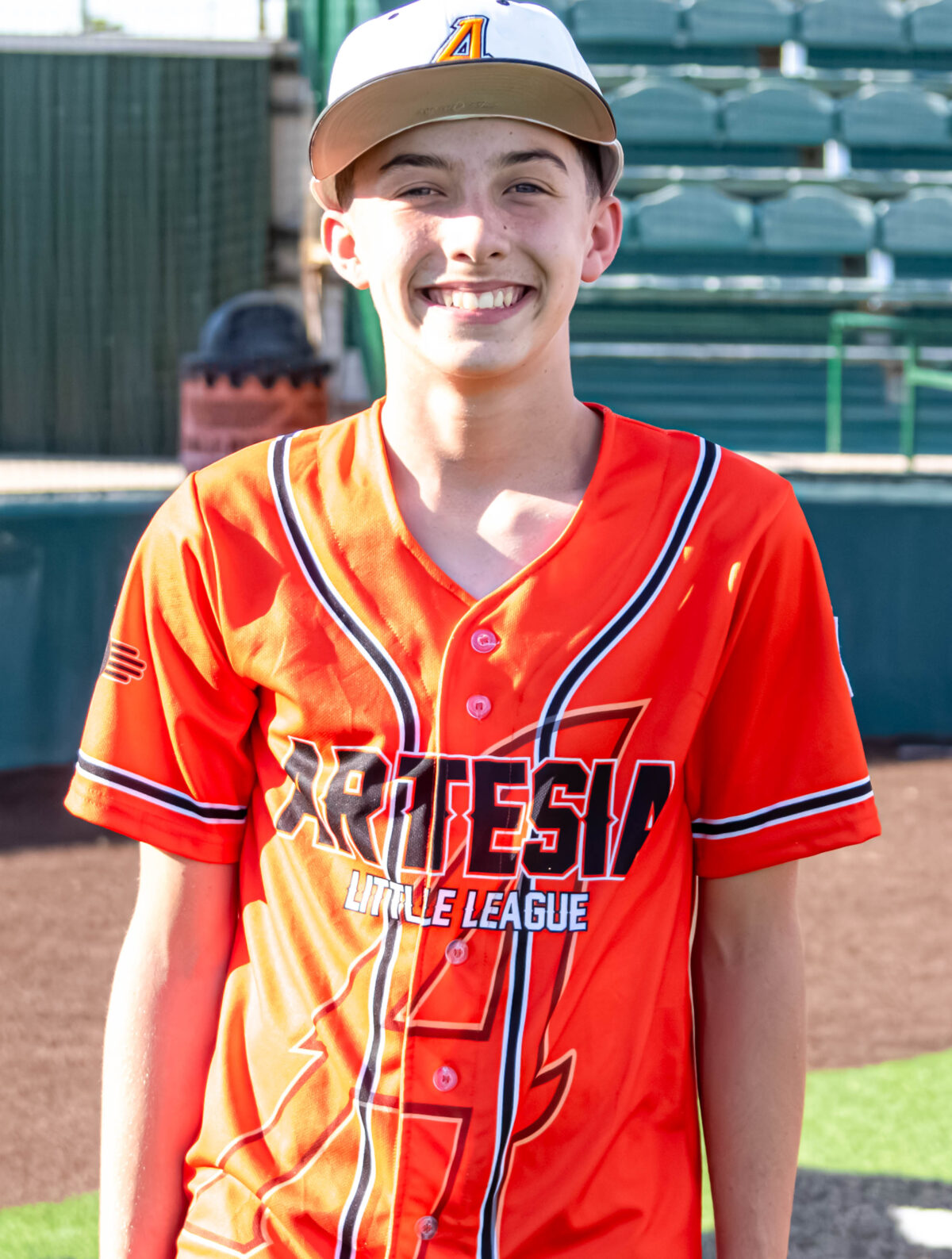
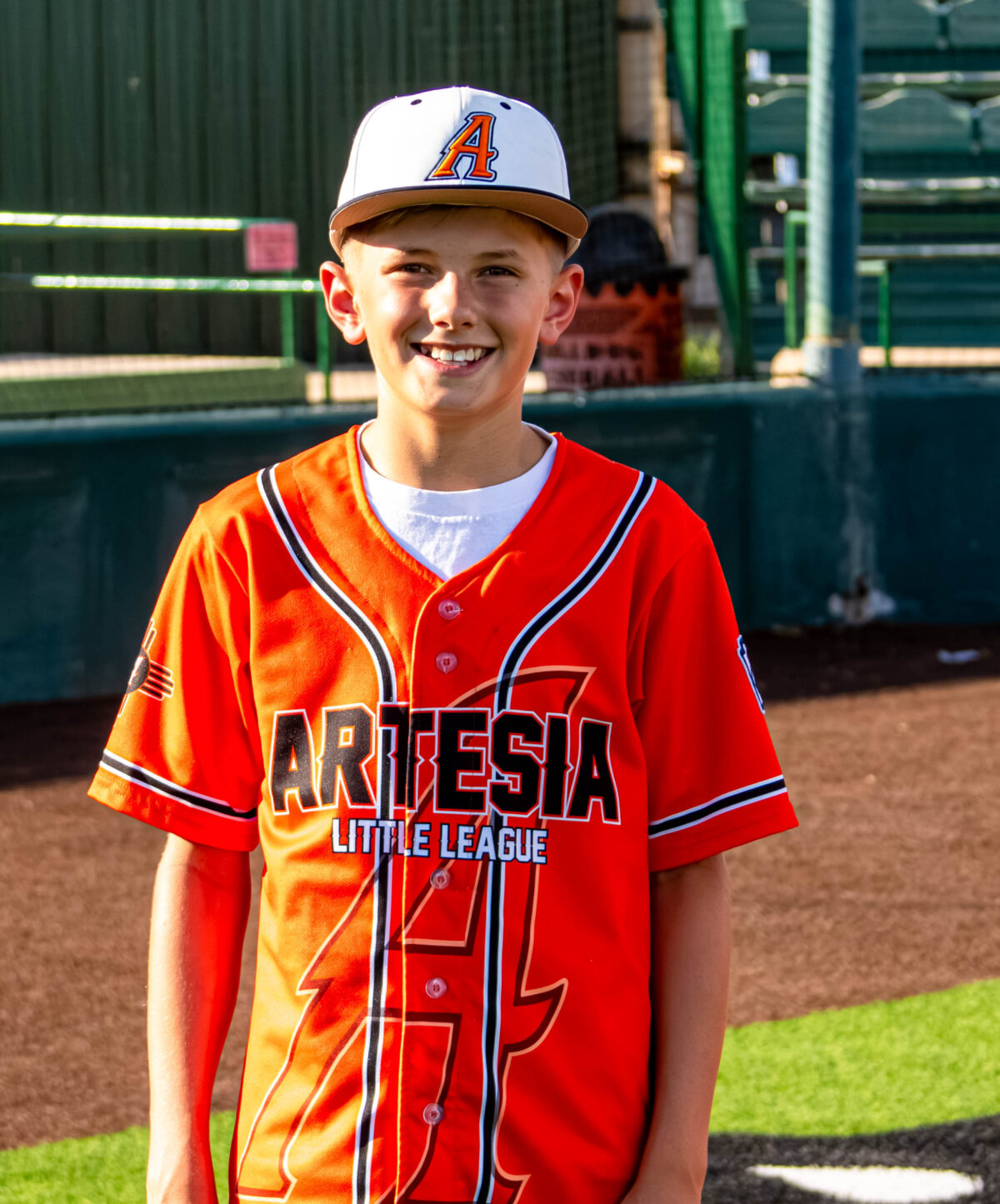
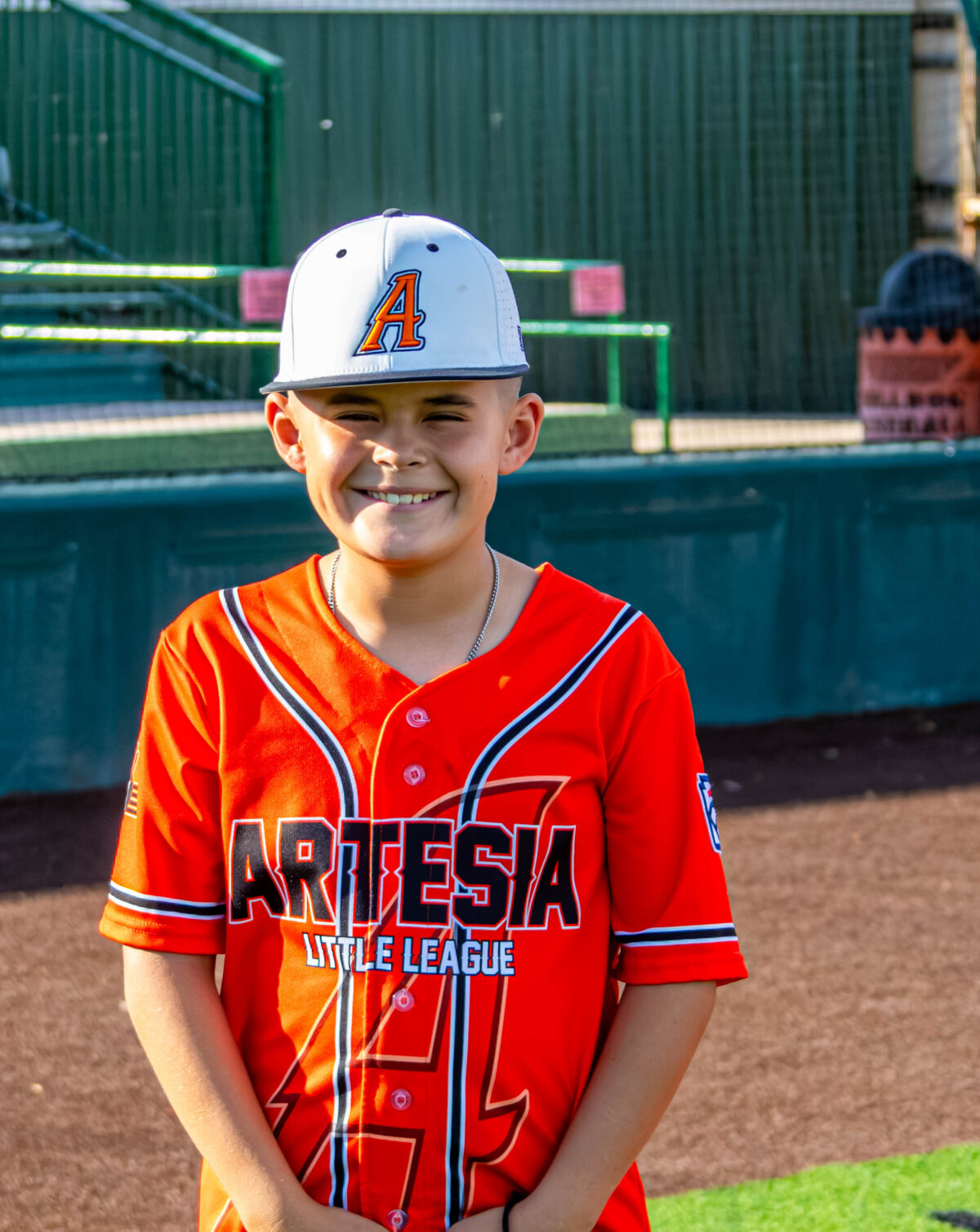
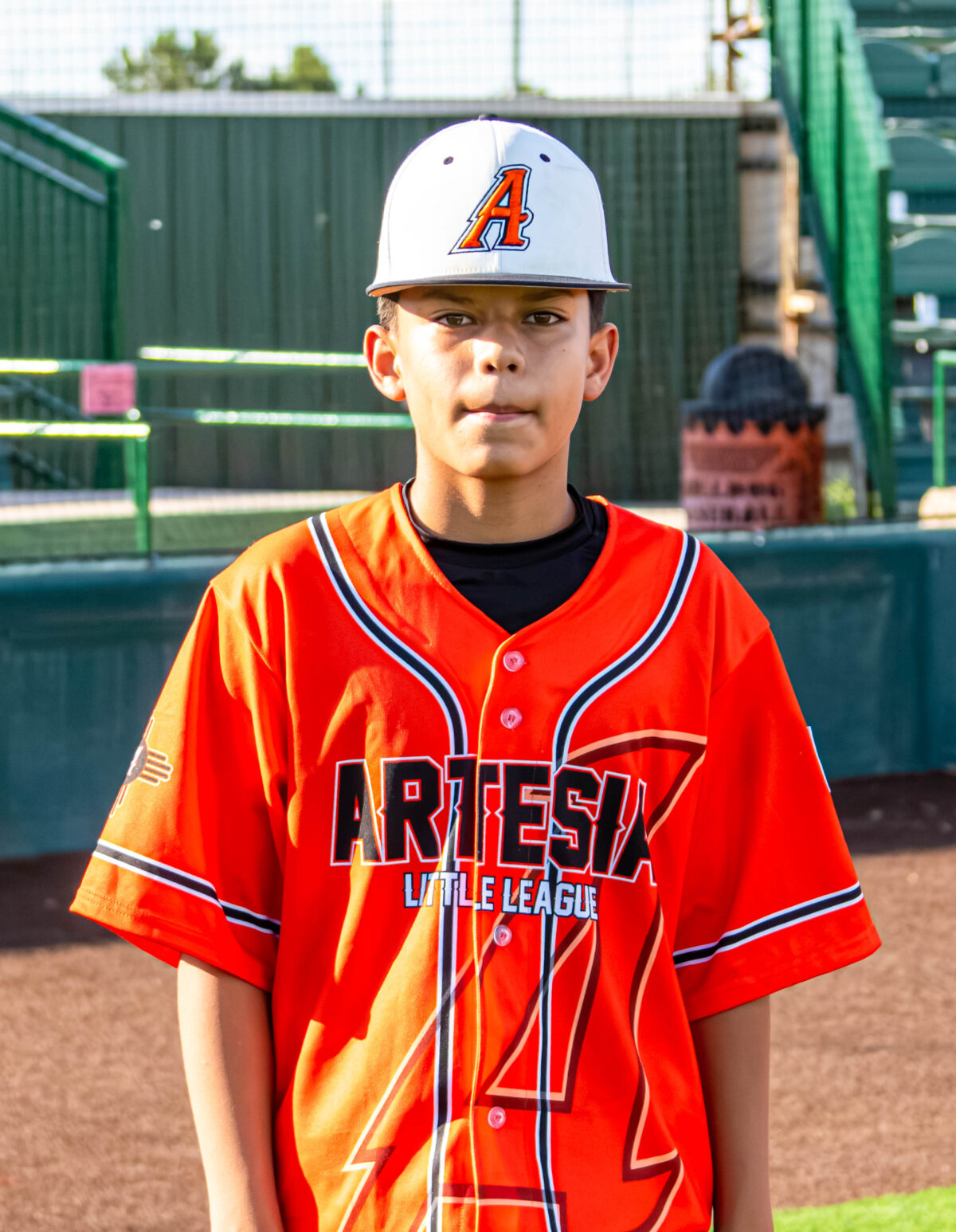
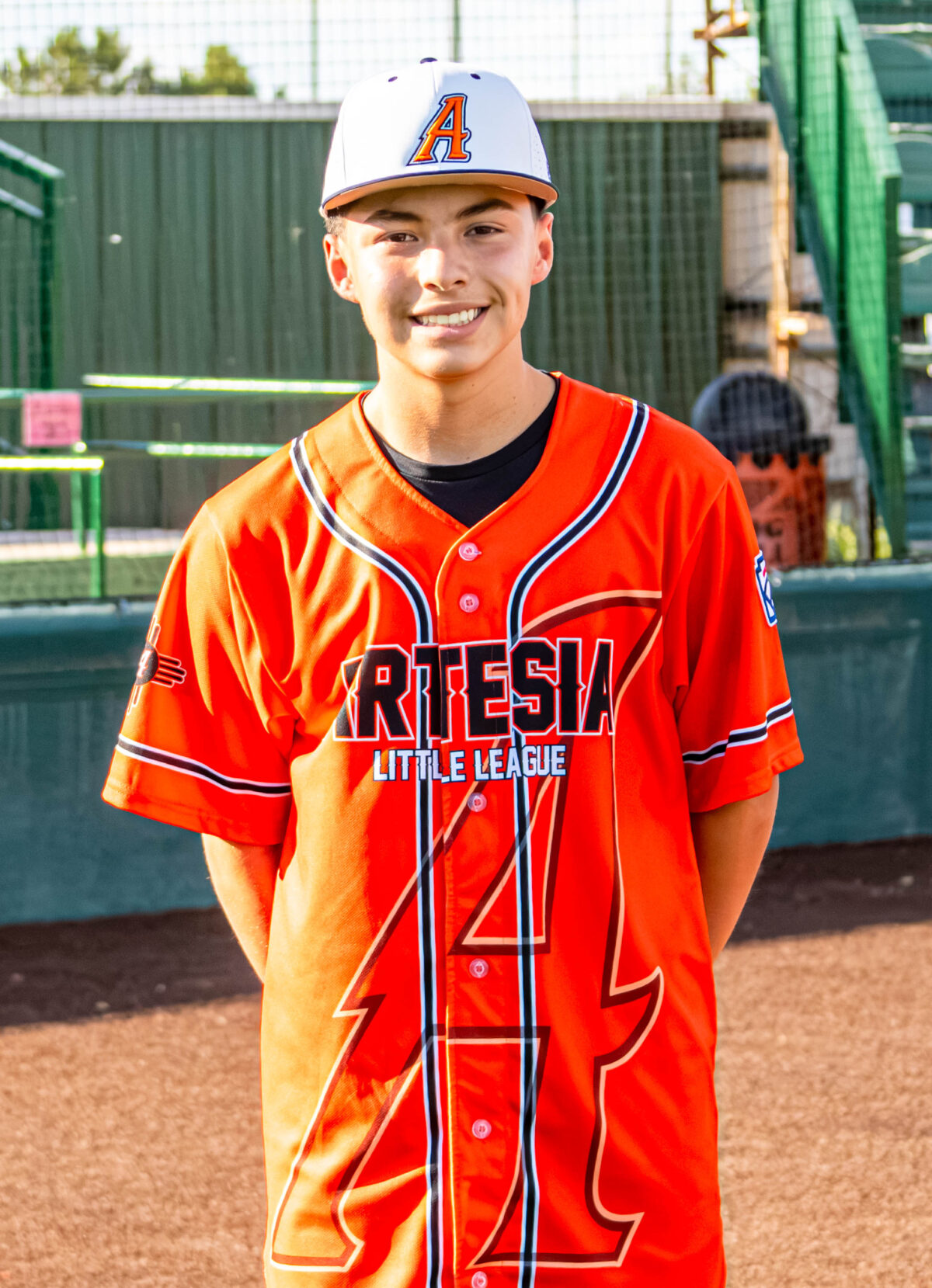
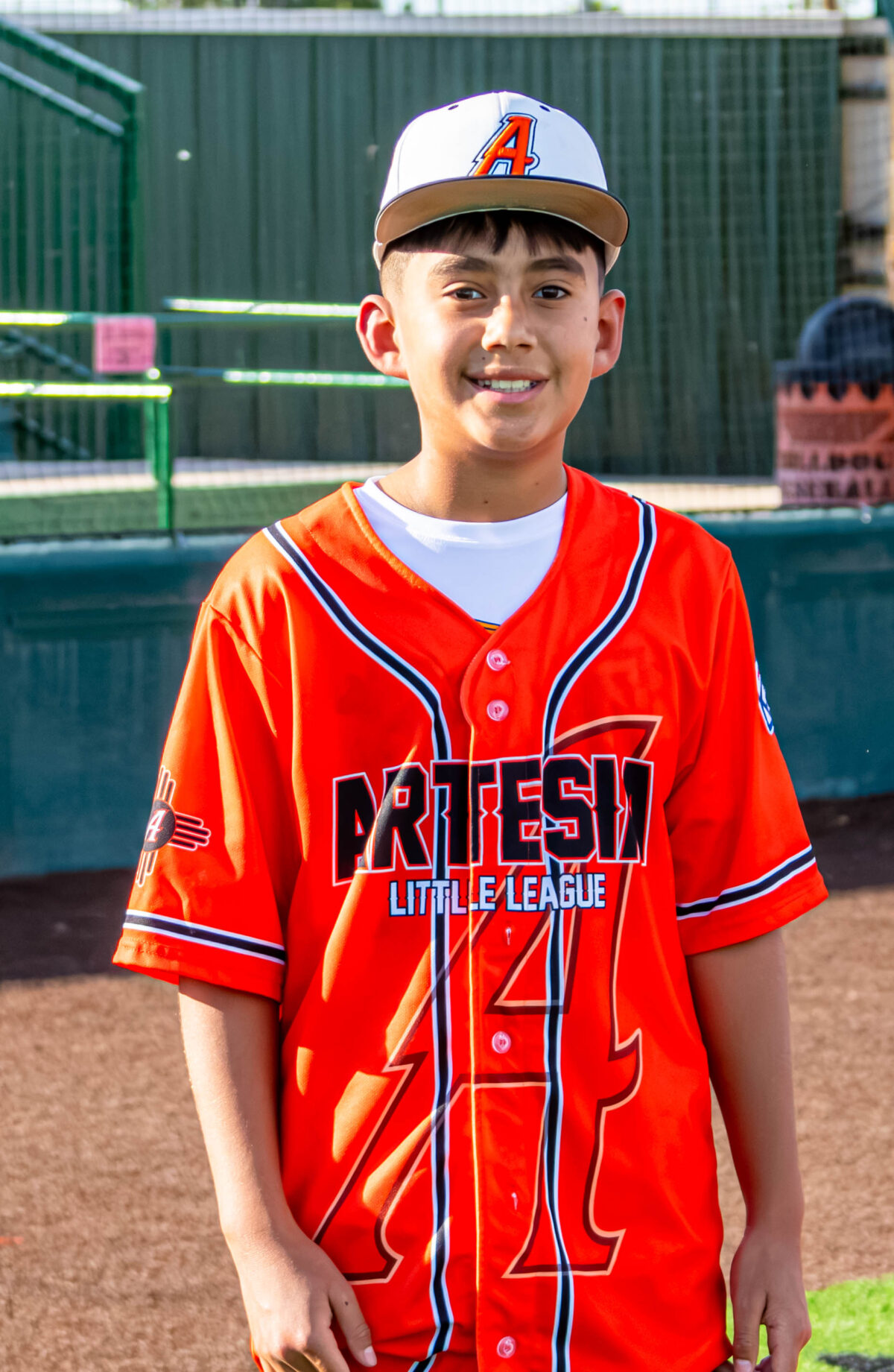
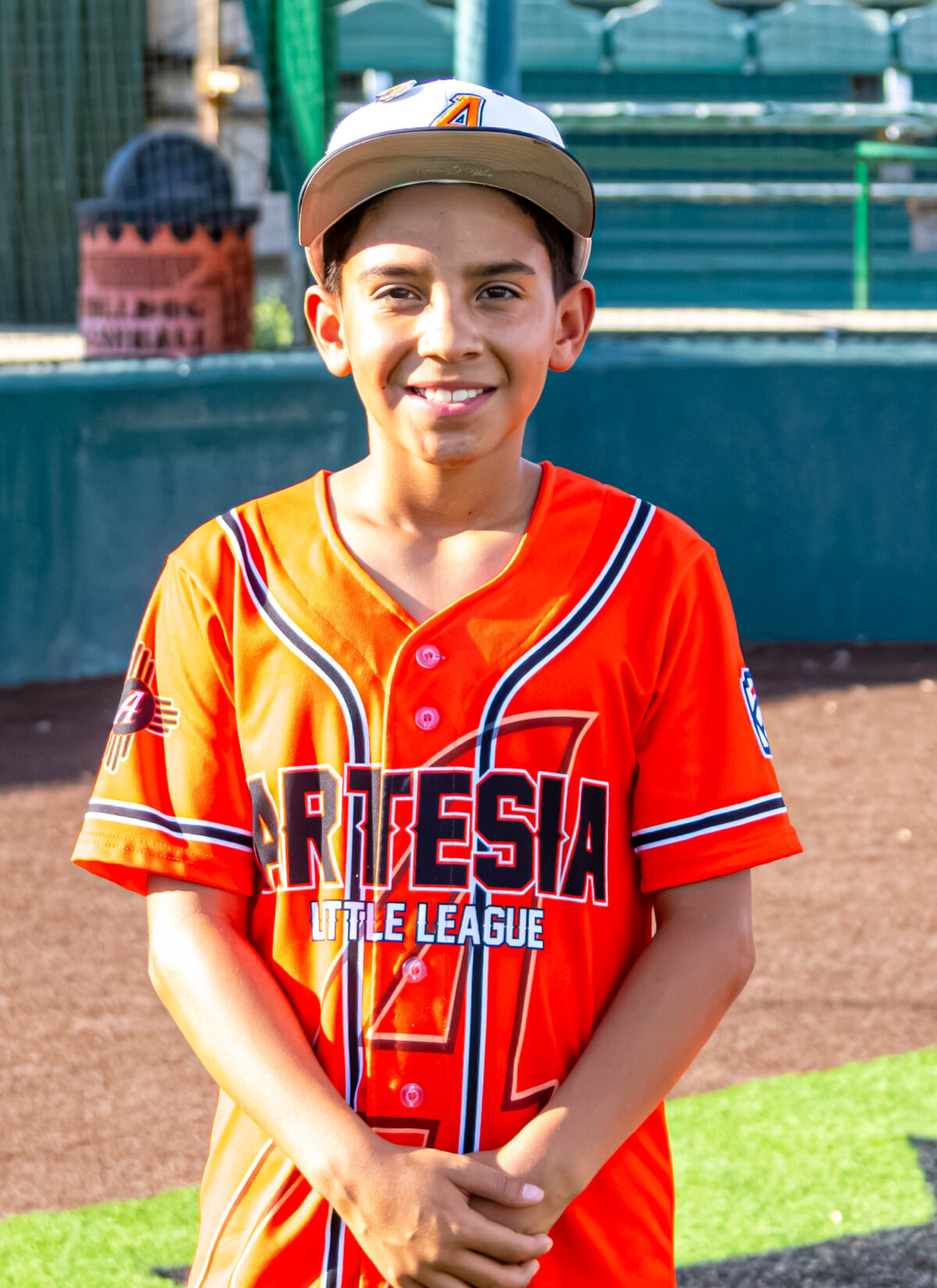
The Artesia 12U All-Star team defeated Raton 12-2 on Friday. The team will play Yucca Little League on Saturday at 11 a.m. at West Mesa Little League on Field 1.
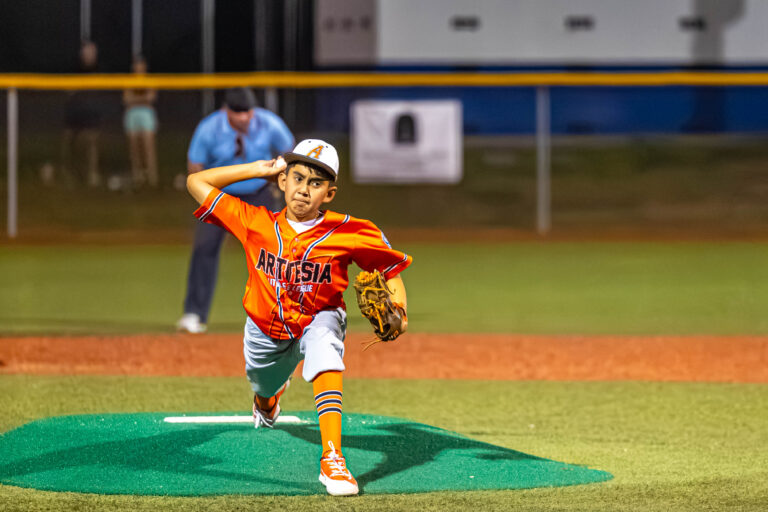
The Artesia 12U All-Star team defeated Raton 12-2 on Friday. The team will play Yucca Little League on Saturday at 11 a.m. at West Mesa Little League on Field 1.
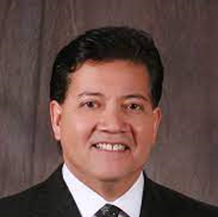
Former Las Cruces Mayor Ken Miyagishima announced Friday that he was ending his bid for New Mexico governor and endorsed the GOP nominee for the seat.
The announcement came at about 2 p.m., July 17 via a news release posted to Miyagishima’s Facebook page.
He endorsed former Rio Rancho Mayor and Republican nominee Gregg Hull in the same release.
The race for New Mexico governor will be decided in the Nov. 3 General Election when Hull faces Democrat former congresswoman and former U.S. Interior Secretary Deb Haaland.
Miyagishima previously left the Democratic Party in February and announced his bid as an independent but was unable to secure the petition signatures required to be added to the ballot.
The former mayor was considering a lawsuit, hoping a court would order he be placed on the ballot anyway, read the news release, but instead threw his support behind Hull.
“I have known Mayor Hull for almost 12 years. He is intelligent, hardworking and a man of integrity,” read a statement for Miyagishima. “His record reflects his dedication to the people of both Rio Rancho and New Mexico.”
Hull defeated Taos businessman Doug Turner in the June 2 Primary Election, while Haaland secured her party’s nomination over Bernalillo County District Attorney Sam Bregman.
“Ken’s support demonstrates our shared commitment to the people of New Mexico,” Hull said in a statement, according to Miyagishima’s news release. “Together, we will tackle the challenges in our communities, stimulate our economy, and ensure that every New Mexican has a voice in government.”
Miyagishima was first elected to mayor of Las Cruces in 2007 and was reelected to four-year terms in 2011 and 2015. He was elected to the post again in 2019 and served as mayor until 2023.
He previously served as a Dona Ana County Commissioner and Las Cruces City Council.

Adrian Hedden
Roswell Tribune
achedden@elritomedia.com
New Mexico lawmakers could revive a proposal to push oil and gas wells further away from communities across the state.
During a Monday, July 13, meeting of the Legislature’s interim Water and Natural Resources Committee at the New Mexico Military Institute, lawmakers both sides of the aisle debated the idea, which took the form of House Bill 35 during the 2025 legislative session.
Interim committees made up of lawmakers in both the House and Senate meet throughout the year and across the state to discuss issues and potentially devise legislation for the upcoming lawmaking session.
HB 35, sponsored by Democratic Reps. Debra Sarinana of Albuquerque and Joanne Ferrar of Las Cruces, died during last year’s 60-day session after it was approved by the House Energy and Natural Resources and Health and Human Services committees.
The bill would have mandated a one-mile buffer area between oil and gas facilities and occupied buildings such as homes and schools throughout the state.
The bill stalled when the full House failed to vote on it before the session ended March 22, 2025.
In New Mexico, legislative sessions alternate between 30 and 60 days in length. The shorter sessions focus on budgetary issues and are held in even-numbered years.
The next 60-day session starts in January 2027.
Sarinana said during Monday’s interim committee meeting that a similar bill would be brought forward during next year’s session.
“We will be fighting hard,” she said, to keep wells “at least a mile away from schools because these kids deserve better. They deserve to breathe clean air.”
Republican Rep. Mark Murphy of Roswell questioned if oilfields were truly to blame for air quality issues in rural southeast New Mexico.
“Different communities have different issues they need to deal with, but southeast New Mexico is no worse than Albuquerque, Santa Fe or the northwest,” he said. “I’m not saying we shouldn’t improve our air quality everywhere, but to focus on the oil patch, I think, is misguided.”
Mandy Sackett, lead New Mexico campaigner with national environmental nonprofit Earthworks, testified at the meeting in Roswell, advocating for legislation to impose a statewide setback blocking oil and gas facilities alongside homes and other occupied structures.
Sackett said Earthworks uses infrared cameras to track New Mexico oil and gas emissions that are “invisible to the naked eye.”
Many instances of such air pollution occur in areas near schools and neighborhoods, Sackett said.
She said the cameras do not specify which gasses are being emitted or in what quantity but suggested that if the plumes recorded were produced by steam or other non-polluting emissions they would “dissipate quickly.”
“It tells us conclusively that something is escaping into the air that shouldn’t be,” Sackett said.
Several of the emissions documented in New Mexico by Earthworks were occurring without violating current regulations, Sackett said, often within what she described as regulatory “gaps.”
“These rules as written are allowing too much pollution and it’s reaching the lungs of nearby students, patients and residents,” she said.
Specifically, Sackett pointed to Ocotillo Elementary School in Carlsbad, which she reported was about 450 yards downwind from a facility operated by Permian Resources, a Midland, Texas-based oil and gas company that operates several production facilities around the city.
Toxicologist Debra Kaden, who spoke to lawmakers on behalf of industry trade group the New Mexico Oil and Gas Association, argued that pollutants in the air dissipate quickly after being emitted, some within 200 feet of the well site.
Kaden works for environmental consultant RHP Risk Management and said she has studied the health impacts of air pollution for the past four years.
She said she did not believe setbacks were needed “from a health perspective.”
“People don’t actually live at the fence line or sit on top of a stack to live,” Kagen said. “You need to understand what they’re actually exposed to. Evidence of exposure from 900 feet away does not mean those children were exposed to anything.”
Michelle Miano, director of the Environmental Protection Division at the New Mexico Environment Department, said that regardless of where oil and gas facilities are located, the state tracks a variety of emissions using a network of air monitors as far south as Carlsbad and as far north as Farmington.
The pollutants monitored include volatile organic compounds and chemicals that form ground-level ozone or “smog” when interacting with sunlight, Miano said. She said areas such as Carlsbad near oil and gas operations had higher levels of ozone than the state viewed as “healthy.”
Miano advocated for more funding from the state to expand its network of air monitors, potentially to include rural areas.
“Air knows no boundaries and occurs at a variety of elevations and is impacted by a variety of conditions, such as geography and meteorology,” Miano said.
Sackett argued that monitors were “no substitution” for setbacks and said more regulations were needed to prevent pollution.
“There is really strong scientific consensus that distance is the single most effective tool that we have to reduce exposure to oil and gas pollution near schools,” she said. “It is shameful that this issue continues to impact many of our educational facilities and young New Mexicans when this Legislature has the power to implement these common-sense regulatory tools.”
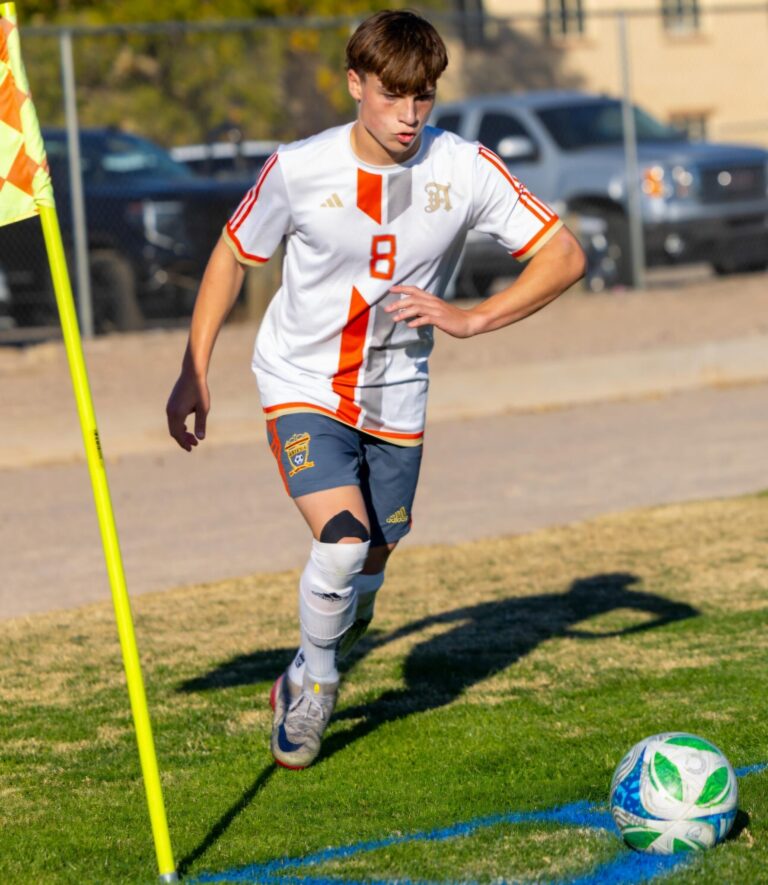
When I arrived in Artesia, New Mexico, in August 2025 as an exchange student, I had no idea what to expect. Looking back now, I can honestly say that it has been one of the most rewarding, inspiring, and life-changing years of my life.
Just a few days after my arrival, I was already on the football field with the Artesia Bulldogs. Without much time to adjust, I became part of the 4A team. Together with my teammates and coaches, I experienced an incredible season. We had an outstanding team, exceptional coaches, and achieved something truly special: for the first time in our team’s history, we reached the state semifinals. The memories we created together and the success we shared will stay with me for the rest of my life.
But my year in Artesia was about much more than football. Above all, it was the people who made this experience unforgettable. I was incredibly fortunate to live with two wonderful host families who welcomed me as one of their own from the very first day. Together, we traveled throughout the southern United States and visited places I had only dreamed of seeing. Among many other destinations, we explored San Antonio, Austin, Dallas, Houston, and even traveled all the way to Corpus Christi on the Gulf of Mexico.
During my exchange year, I built friendships that I truly believe will last a lifetime. The kindness, generosity, and hospitality of the people in Artesia have left a lasting impression on me. I received support not only from my host families, but also from my coaches, teammates, teachers, and many friends who made this year so incredibly special.
Beyond all these amazing experiences, I grew tremendously as a person. Living far away from my family taught me independence, responsibility, and confidence. I learned how to organize my daily life, plan trips, and adapt to a completely new culture. Over time, I became more self-confident and self-reliant. Today, I can easily plan and manage trips on my own—whether it’s to Colorado, Hawaii, or the mountains of Utah.
One of my biggest goals when I came to the United States was to become fluent in English. I am proud to say that I achieved that goal. Along with the incredible friendships I made, learning the language is one of the greatest gifts this exchange year has given me. I have also made friends from all over the world, and I hope those friendships will stay with me for the rest of my life.
Soon I will return to Germany to complete my final years of high school and earn my Abitur, Germany’s university entrance qualification. But the United States and especially Artesia will always hold a special place in my heart. The many places I visited, and even more importantly, the people I met, have shaped me in countless ways. Who knows? Maybe one day I’ll return to the United States to attend college. We’ll see what the future brings.
To every young person who is thinking about spending a year abroad, I have one piece of advice: Step outside your comfort zone and discover the world! An exchange year does so much more than improve your language skills. It broadens your perspective, helps you grow as a person, creates lifelong friendships, and opens doors you never even knew existed.
Finally, I would like to thank everyone who supported me, encouraged me, and made me feel at home in Artesia. This year will always be a part of who I am, and Artesia will forever have a special place in my heart.
Thank you so much!
Anton Wodarz
Exchange Student from Germany

JT Keith
Heat and high turnout define the week
For Artesia boys’ soccer coach Phillip Jowers, the only thing hotter than last week’s camp was the weather, with temperatures topping 100 degrees from July 7–10.
“It is one of those things where you don’t notice the heat,” Jowers said. “I am wearing a long shirt; we have the sprinklers out there, the shade, and the popsicles. We try to get everything done in the mornings before it gets terribly hot.”
With around 175 participants, kids rotated through drills and cooled off in the sprinklers between stations. Jowers said the turnout was among the best in recent years.
“It was a lot of fun,” he said. “It takes a lot of work with a lot of moving parts to get it all done.”
Little kids’ camp and leadership help
Jowers credited Coach Billie Delgado with the heavy lifting for the younger groups during the morning and afternoon sessions.
For the development camp — geared toward 6th through 8th graders — high school coaches and leadership players stepped in.
“The development camp is for the 6th through 8th grades,” Jowers said. “It is a lot of fun because you do get to get eyes on those kids because we don’t get to see those kids other than city league. Getting to see them out here and teach them some of the more tactical stuff.”
Scheduling and soccer’s growth boost numbers
Jowers said one reason for the large turnout is that the camp doesn’t conflict with other sports or activities. He works to schedule it so kids don’t have to choose between soccer and anything else.
Another factor, he said, is the sport’s growth — especially with the 2026 FIFA World Cup coming to the United States.
A smooth camp and a growing legacy
“I thought this camp was one of the smoothest camps we have had,” Jowers said. “Obviously, you can always improve, but I have not had to reflect. Our motto is ‘Leave a legacy’. The part I love about our camp is that former players come back and jump in to help run the camp.”
Jowers said the camp continues to feel more like a community and a family, with former students returning and leaving their mark.

All She Wrote
We’re having a public discussion I never thought I’d hear in New Mexico. After many years of tight budgets and hard decisions before the Legislature, we’re now talking about how to share the state’s $825 million oil and gas windfall from the Iran war with taxpayers.
The governor recently suggested a $250 rebate, and the Republicans countered with a proposal to eliminate personal income taxes.
By tossing out a number, the governor got the ball rolling in June. “President Trump’s reckless war in Iran” and the spike in oil prices, she said, was “padding the state’s bank accounts” and “draining New Mexicans’ wallets at the pump.” She noted the increase was especially brutal in rural areas, where people must drive longer distances for work and services.
The two candidates for governor didn’t jump on board. Republican Gregg Hull said he’d rather see a gradual elimination of the personal income tax. Democrat Deb Haaland offered campaign boilerplate about “lowering costs for New Mexicans” through investments in affordable housing, several tax breaks and healthcare reform.
Days later, state Republican leaders pushed the governor to “call an immediate special session for the Legislature to repeal the state personal income tax effective on July 1, 2026.” It would “dramatically increase the household incomes of many low-and moderate-income families who are struggling in paying their bills as higher gasoline prices continue at the pump,” wrote House Minority Leader Gail Armstrong of Magdalena and Reps. Rebecca Dow of Elephant Butte and Alan Martinez of Rio Rancho. And it would stimulate “economic growth and higher living standards.”
Such a repeal would cost the state – and return to taxpayers – about $2.2 billion, according to the Legislative Finance Committee, or about 16% of the general fund budget. That’s a lot. It would be a massive change in public finance.
Republicans made the same proposal in the last legislative session but offered no data and no studies and didn’t call for any. This time they offered a few numbers. The Legislature would “still have more than $12 billion in recurring General Fund revenues to finance the current $11.2 billion in recurring General Fund spending.” That covers ongoing necessities like education, Medicaid and law enforcement. In addition, the state has more than $11 billion in newly created trust funds and a future $2 billion payment from a recent oil and gas lease sale. Is all that enough to backfill the loss of $2.2 billion year after year after year?
The key phrase is this one: “With record levels of state revenues expected to continue over the next several years…”
Even the Republicans see a short-term limit to this windfall. And yet any economist or Roundhouse watcher can tell you the economy goes up and the economy goes down, and it takes state revenues with it. Now add to that the expenses piling up from natural disaster recovery and the so-called big beautiful bill. No wonder a governor’s spokesman told Source NM the Republicans’ proposal would have “recurring and significant budget implications that demand comprehensive analysis and rigorous debate” and that’s not going to happen in a special session.
Armstrong and Dow have been in the Legislature long enough to know this, so they, like Haaland, are just broadcasting political chatter.
The three Republicans wrote that they agree with the suggestion by Sen. George Muñoz, a Gallup Democrat who chairs the Senate Finance Committee, that “the Legislature should repeal the state personal income tax to provide New Mexico’s taxpayers with significant long-term tax relief, not just a one-time rebate.”
On the same day as the Republicans’ letter, Muñoz clarified his position in an op ed: “Reducing – or ultimately eliminating – the personal income tax for working families would provide permanent relief that grows with every paycheck.” He’s previously indicated he doesn’t have much use for rebates.
Muñoz, who is also a businessman, has a keen understanding of the income and outgo of state finance. And he’s well aware of impacts from the Trump administration’s changes to Medicaid and Supplemental Nutrition Assistance Program eligibility for both families and state government. He made it clear that taking care of New Mexicans shouldn’t be sacrificed for a reduction in income taxes.
“As policymakers, we cannot eliminate every financial hardship. But we can make sure state government is making life easier instead of harder,” Muñoz wrote.
“Fiscal responsibility and compassion are not competing values.”
In this discussion Muñoz and Gregg Hull are the adults in the room.
Sherry Robinson is a longtime New Mexico reporter and editor. She has worked in Grants, Gallup, the Albuquerque Journal, New Mexico Business Weekly and Albuquerque Tribune. She is the author of four books. Her columns won first place in 2024 from New Mexico Press Women.
Staff report
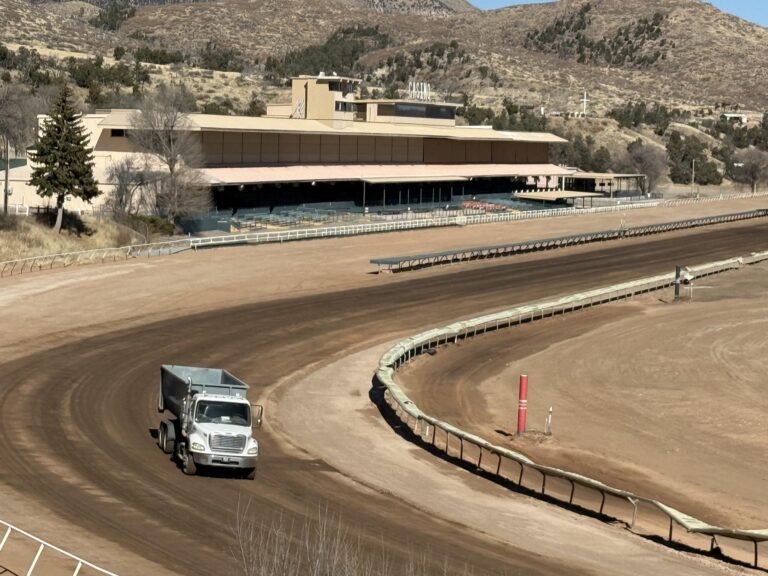
The Ruidoso Downs Race Track and Casino will temporarily cease operations after the state Department of Transportation recommended that the facility do so to fix a culvert at the track’s entrance, according to a press release sent out Thursday afternoon.
“We requested that the New Mexico Department of Transportation inspect the condition of the culvert located at the entrance,” Ruidoso Downs General Manager Rick Baugh said in the release. “The results of the investigation have confirmed our decision to temporarily close the casino and horse race simulcast operations to the public.”
The closure requires the approval of the New Mexico Gaming Control Board, the release says. The board will hold an emergency meeting on July 22 in Albuquerque to address the closing.

DOT engineer Jonathan Boyle inspected the culvert on the west side of the track on June 26, according to a letter he wrote to racetrack officials. He noticed bulging and other deformations on the culvert that may affect the roadway’s loadbearing ability.
“I reccommend closing this entrance before further damage can be caused to the roadway and ensure the safety of the traveling public,” Boyle wrote.
The racetrack was heavily damaged during last year’s flood and was forced to close, causing races to be moved to The Downs Racetrack and Casino in Albuquerque.
“We recognize the impact this decision has on our employees, business partners, and loyal patrons,” Baugh said. “However, the safety of every individual who enters our property must remain our foremost consideration. Given the heightened flood risk during the monsoon season and concerns surrounding the condition of the main entrance culvert, we believe this closure is the prudent and responsible decision.”
Races will continue in Albuquerque on Fridays, Saturdays and Sundays, as well as Labor Day on Sept. 7. The New Mexico Quarter Horse and Thoroughbred Sale will continue at the Ruidoso Downs Horse Sales Pavilion on Aug. 15, as will the All American Select Sale from Sept. 4-5.

A new era for news in southern New Mexico has begun with the Roswell Tribune.
Following the sale of the Roswell Daily Record after 135 years of family ownership to Pat Davis and New Mexico News Group, El Rito Media took the opportunity to expand into Roswell and Chaves County, ensuring that news in southeast New Mexico’s largest city stays local and vibrant.
RoswellTribune.com will provide hyperlocal news and sports content for the people of Roswell and Chaves counties, for free with no paywall.
El Rito already owns five newspapers in New Mexico, more than any single company, after it purchased the Current-Argus, Alamogordo News and Ruidoso News in June 2024 from Gannett, adding to a portfolio that already included the Artesia Daily Press and the Rio Grande Sun in Espanola – all dedicated to reinvigorating local news and sports coverage.
Here are El Rito’s key staff members that will be contributing to the Roswell Tribune in news and sports. All stories are published online at RoswellTribune.com.
Anyone looking for assistance in advertising with the Roswell Tribune can contact account executives Ashley Curbello at acurbello@elritomedia.com or Trina Thomas at tthomas@elritomedia.com.
Anyone interested in writing for the Roswell Tribune can contact Managing Editor Adrian Hedden at achedden@elritomedia.com. Story tips are also welcome.
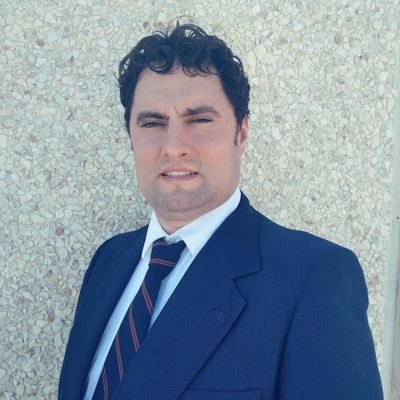
Alex Ross worked as a breaking news reporter at the Roswell Daily Record for about seven years, until September 2025 when he took a short-lived job at the New Mexico Political Report where he worked until December of that year.
He worked for El Rito Media previously as a legislative reporter covering the 2026 Legislative Session and will rejoin the staff to cover the City of Roswell, its school system, breaking news and features in the community.
Ross had his first newspaper job at the Havre Daily News in 2014, where he covered myriad beats in everything from local politics and crime to human interest features and coverage of northern Montana’s Indigenous community.
He was able to interview national politicians such as U.S. Sen. John Tester (D-MT) and former-Interior Secretary Ryan Zinke and celebrities in the entertainment industry including Jeff Ament, bassist for famed grunge band Pearl Jam, who grew up in the nearby farming community Big Sandy, Montana.
His time in Montana, Ross said, especially showed him the value of local, community-driven journalism and the importance of emphasizing local voices and impacts in everything he writes.
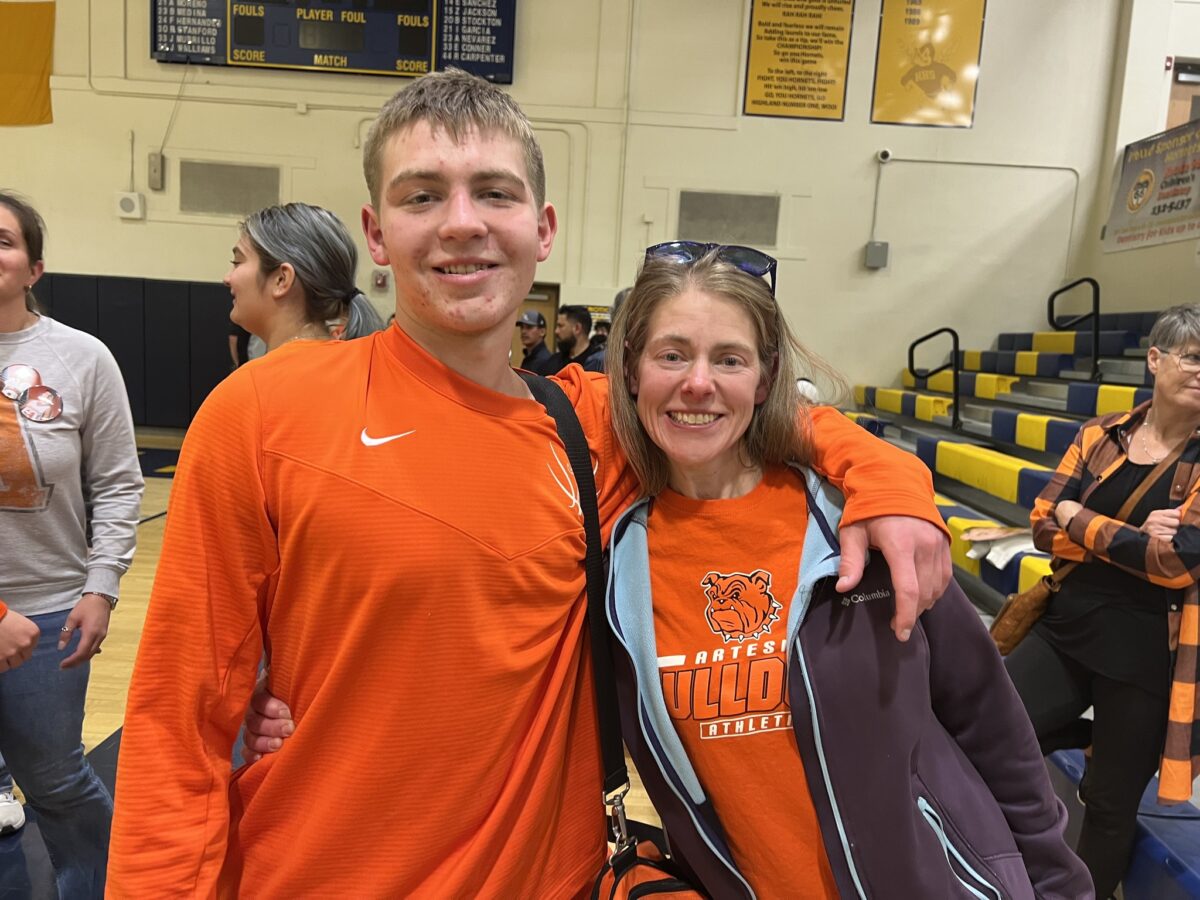
Marshall Mecham is the Roswell Tribune’s sports reporter, covering sports teams throughout the city and Chaves County, along with the New Mexico Military Institute.
Mecham is a 2026 graduate from New Mexico State University and came to El Rito through the statewide New Mexico Local News Fund Fellowship Program. He stopped first at the Artesia Daily Press where he’s covered everything from sports to news, including the Eddy County Fair.
He moved around a lot as a child as his father Arnold Mecham works with the U.S. Customs and Border Patrol. That meant the family moved eight times while Mecham was growing up, to Portland and Sandy, Oregon; Corpus Christi and El Paso, Texas; Las Cruces, New Mexico; and Blaine, Washington.
Mecham played basketball for the Artesia Bulldogs in Highschool during the 2021-22 school year, helping the team win a district championship.
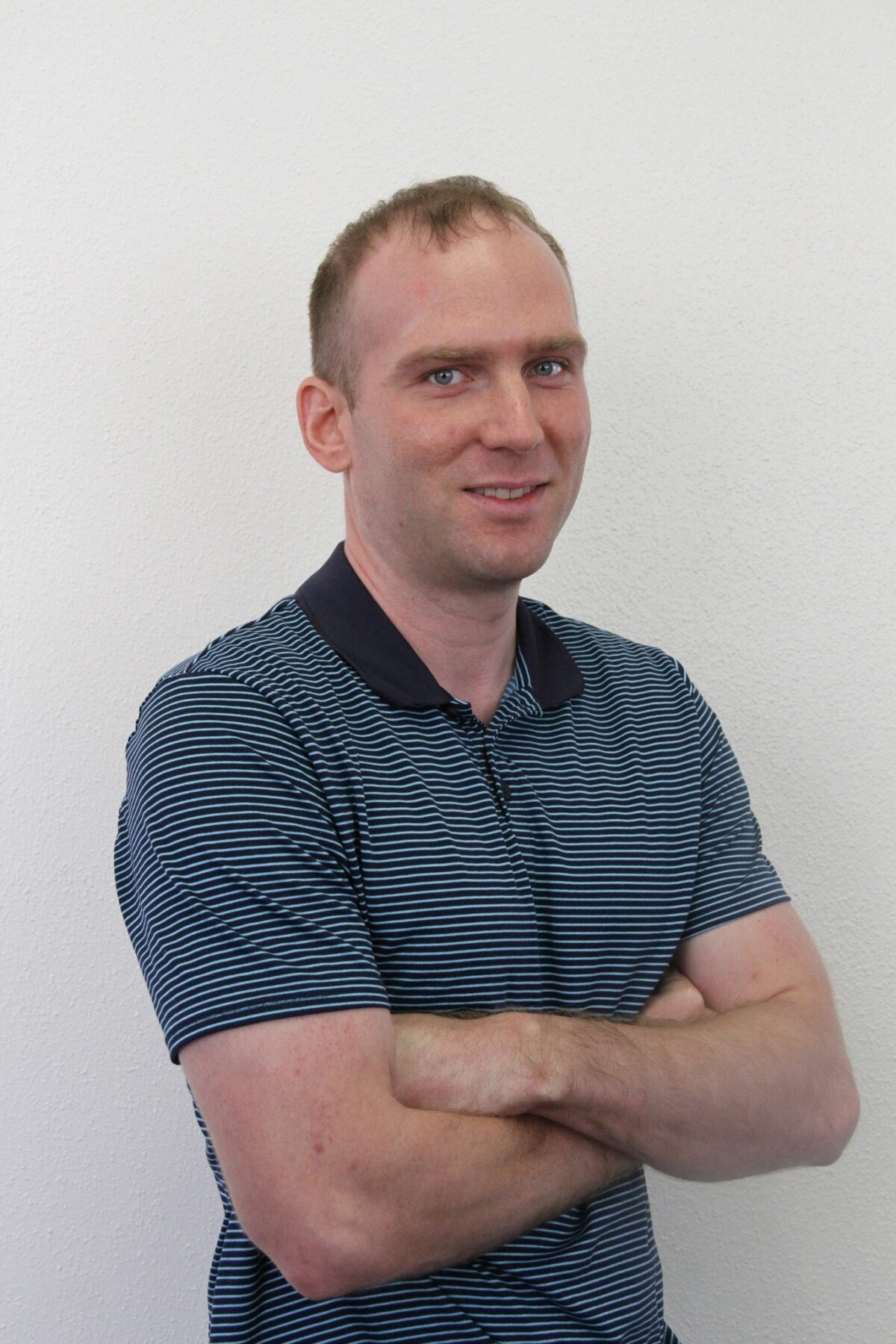
Adrian Hedden was promoted to managing editor at El Rito Media in April 2025 after almost a decade covering southeast New Mexico for the Carlsbad Current-Argus.
In that role, he oversees news and sports coverage for El Rito Media’s four southern New Mexico newspapers: the Current-Argus, Artesia Daily Press, Alamogordo News and Ruidoso News.
That list now includes the Roswell Tribune.
Hedden moved to Carlsbad to take the reporting job in 2016 after serving in the national Pulliam Fellowship program hosted by Gannett, which stationed him at the Arizona Republic in Phoenix for six months.
In Phoenix, Hedden covered breaking news and crime, along with community news in suburbs around the West Valley around Phoenix such as Peoria, Avondale and Goodyear.
Since moving to New Mexico, Hedden covered several topics important to Carlsbad and Eddy County, including the oil and gas industry, nuclear issues centered around the Waste Isolation Pilot Plant, local government, business and crime.
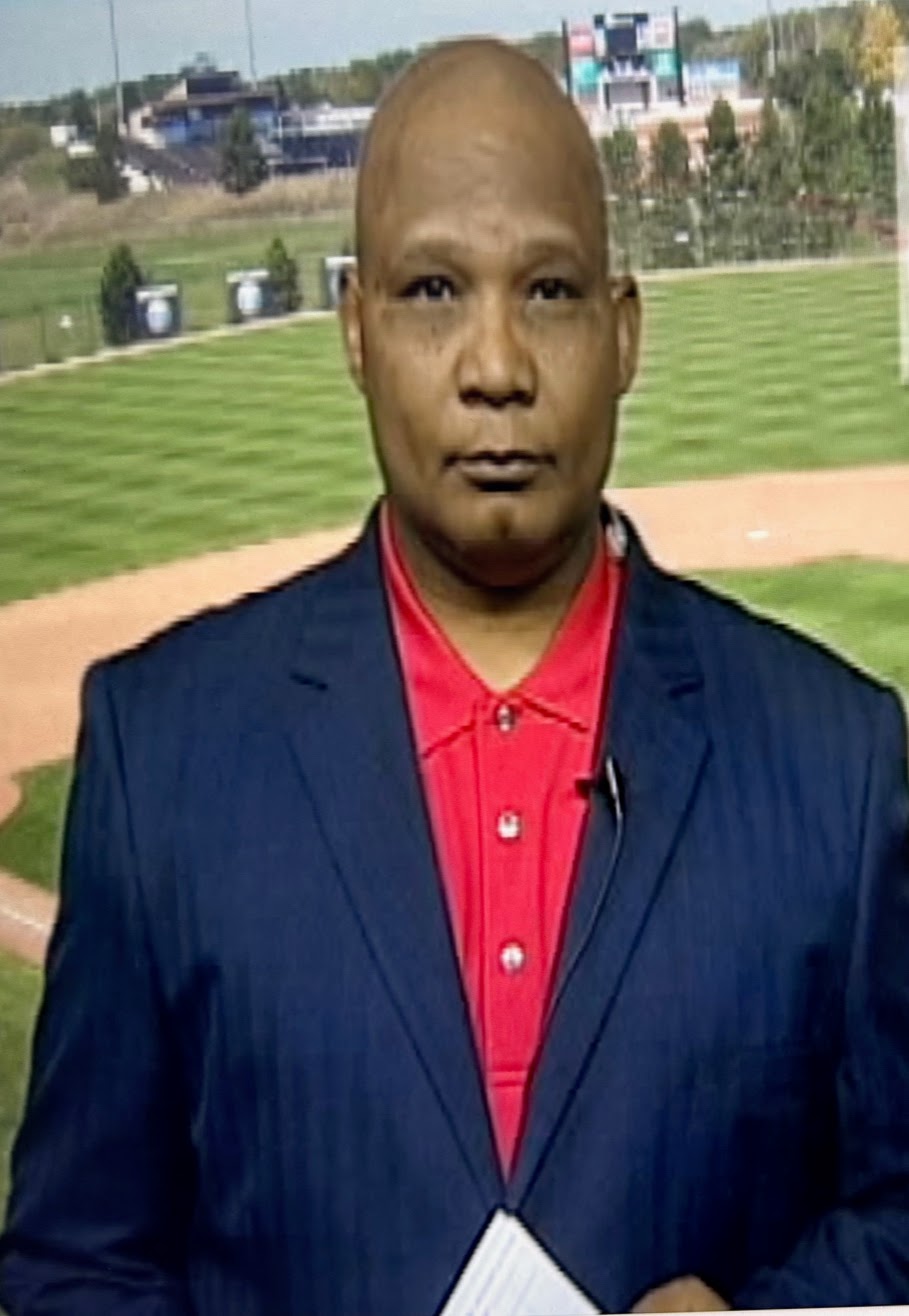
JT (Joseph Thomas) Keith serves as regional sports editor for El Ritos’s southern New Mexico newspapers, focusing on Carlsbad and Artesia. He will be overseeing and planning sports content for the Roswell Tribune.
Keith landed in southeast New Mexico, stationed in Artesia starting on Feb. 10, 2025, where he works out of the local newspaper’s downtown office to cover not only the iconic Bulldogs football team but also lesser-known stars of the city’s sports scenes including cheerleaders and band members.
Before his current job in New Mexico, Keith worked in Jackson, Mississippi, as USA Today’s HBCU (historically Black colleges and universities) sports editor from May 2022 to August 2024. In that role, Keith’s coverage included the Jackson State University Tigers, and interviews with football legend Deion Sanders, who served as head coach of the Jackson State football team for three seasons from 2020 to 2022.
At USA Today, Keith also covered Jackson State stars Shedeur Sanders and Travis Hunter, who went on to play at University of Colorado Boulder along with “Coach Prime,” and edited the work of more than 50 writers in the south region.
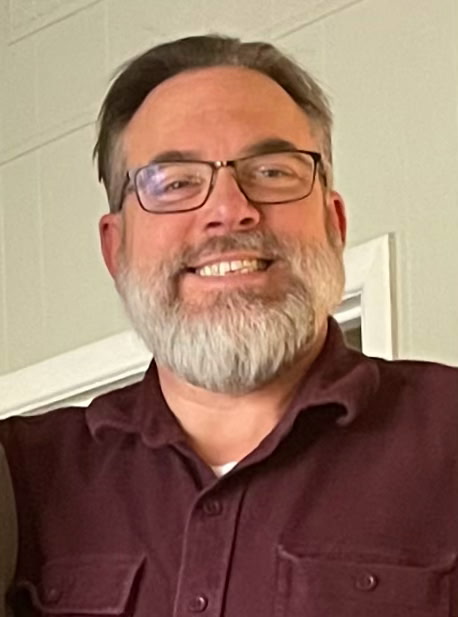
A native of Portales, Fuqua was hired March 31, 2025 by El Rito to cover sports for the Ruidoso News and Alamogordo News. He will regularly contribute regional sports stories and event coverage to the Roswell Tribune.
For Fuqua, who started his writing career on his grandma’s Woodstock typewriter as a child, the journey into local journalism began at Eastern New Mexico University, where he graduated with a bachelor’s degree in communications in December 1993.
Fuqua moved back to Ruidoso, where he lives with his parents, in February 2025 after working for ENMU in its Office of Public Relations and Advancement since 2019. He earned his master’s degree in communications in 2022 and published the Green and Silver alumni magazine throughout his second act at the university.
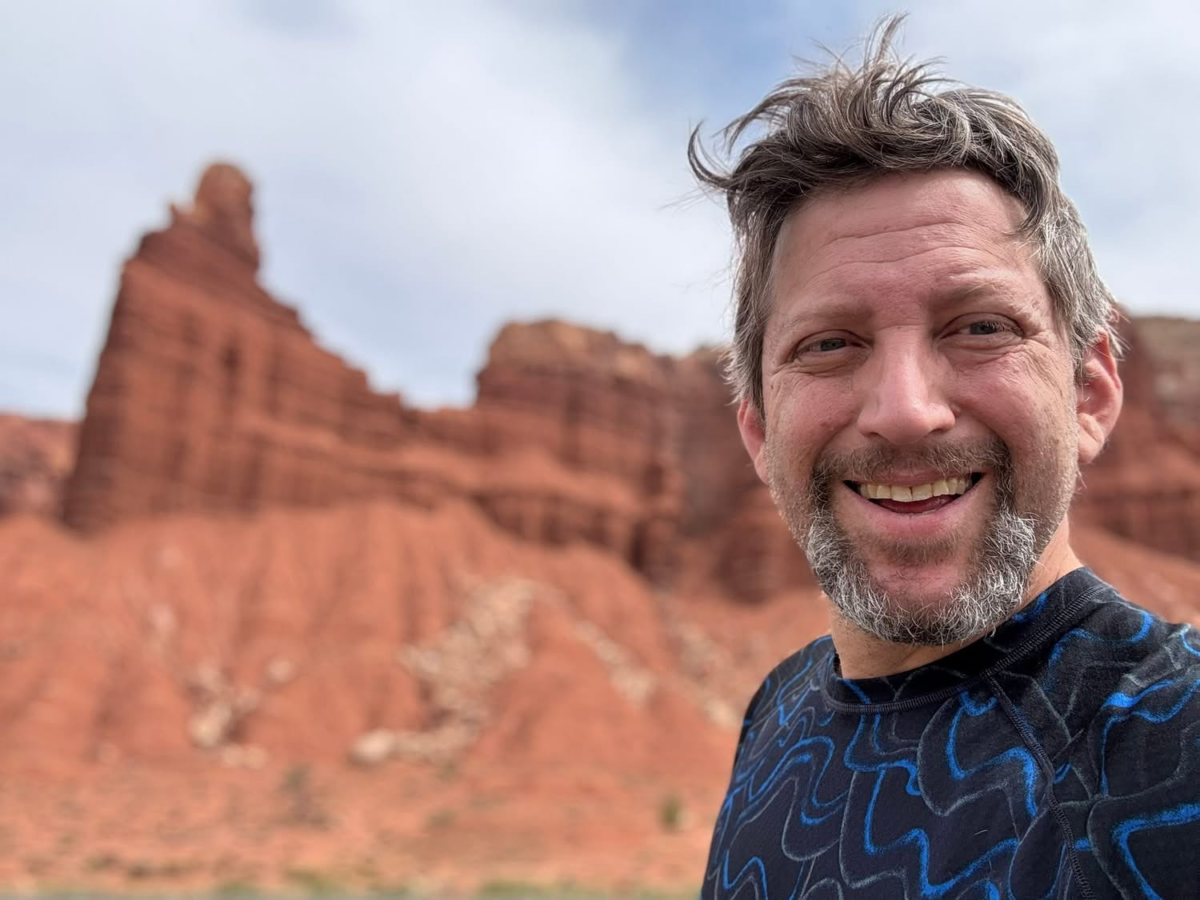
Spencer Fordin started at the Alamogordo News on June 15 as its managing editor. He will provide regional news and feature stories to the Roswell Tribune and assist in editing and planning its publication.
He said his career as a journalist led him from “sea to shining sea,” as he spent decades writing for MLB.com, Major League Baseball’s online platform.
Fordin shifted to news on the Cayman Islands where he wrote for community’s daily newspaper, the Cayman Compass from 2017 to 2019, and later at Pasatiempo, an arts and culture magazine published by the Santa Fe New Mexican from 2023 to 2024.
His first job was at the University of Florida’s student newspaper, the Independent Florida Alligator, covering the full range of sports offered by the school’s Division I athletic program. That meant writing about high profile sports such as baseball and football but also spotlighting less publicized programs such as women’s soccer and gymnastics.
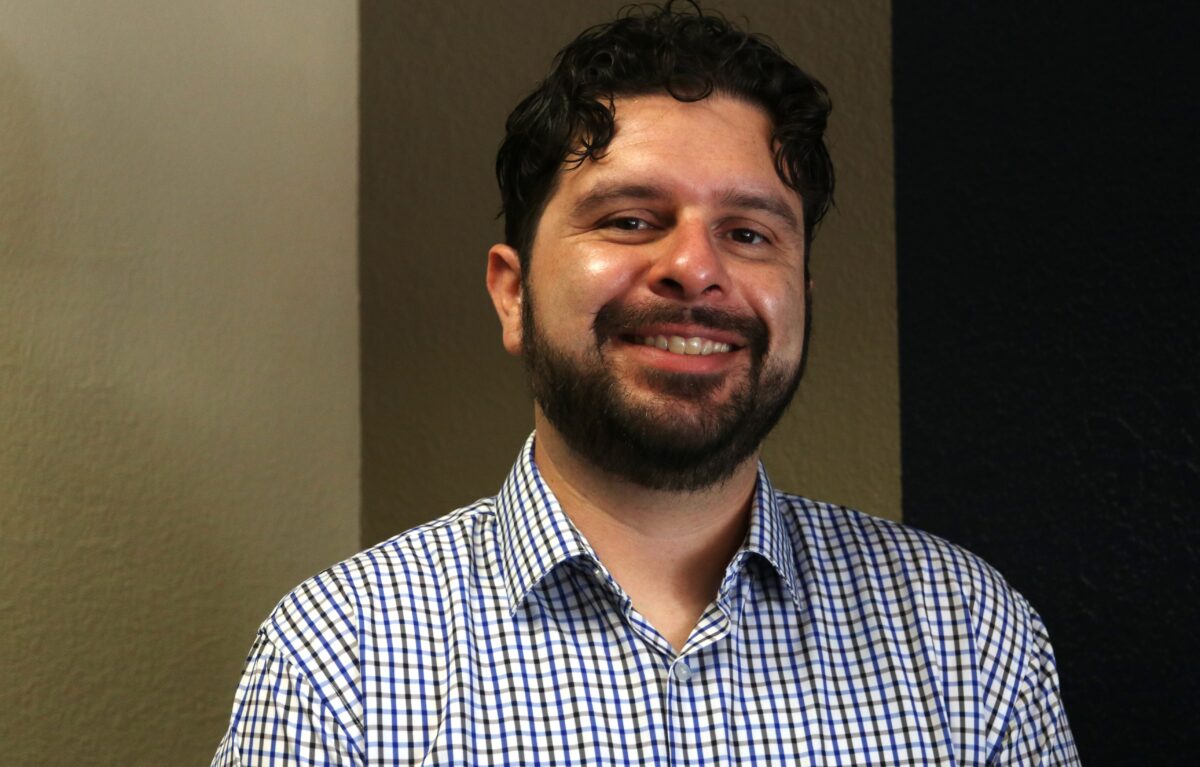
Mundo Carrillo, a native of Pecos, N.M., has spent several years reporting on sports and criminal justice in New Mexico, mostly for the Santa Fe New Mexican and Albuquerque Journal.
He will be contributing similar regular coverage to the Roswell Tribune along with stories of importance from around the region.
Carrillo is stationed at the Ruidoso News where he started on July 1 after spending two years as an elementary school teacher in Santa Fe. He being a teacher showed him first-hand what issues were affecting local students and their families.
When not reporting the news, Mundo likes to check out local breweries, play bass, and explore all the great things that New Mexico has to offer.
Chase Palmer
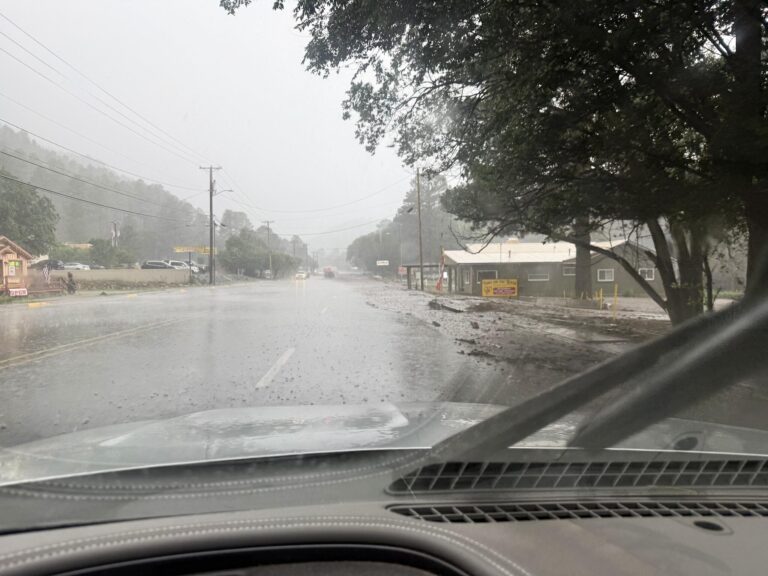
Skies were overcast and as I ate lunch at Pizza Hut on Sudderth Drive, rain seemed likely.
I knew a storm could bring flooding and I was prepared to help with news coverage. Nothing could have prepared me for what I was about to see.
When the rain started falling I rushed to my car and headed down to Highway 70, to an area I had seen flooded in the past. Nothing yet.
As I started back toward Pizza Hut and the rain continued to pour, cars in front of me were suddenly stopping and turning around. I was perplexed at first but quickly realized what was happening.
Sudderth Drive was becoming a river.
Torrential rain was falling on the burn scar left behind by the previous summer’s catastrophic South Fork fire. The Rio Ruidoso had overflowed its banks and the surging water was heading straight toward me. I was able to pull over and park on an elevated parking lot across the street, a vantage point that afforded me a front-line view of the mounting disaster.
Having lived in Ruidoso since 2002, I’d seen floods before. Hurricane Dolly in 2008 unleashed a weather system that moved north from the Gulf of Mexico and inundated the village, washing out bridges, isolating neighborhoods in the Upper Canyon and leaving one man dead.
What I witnessed on July 8, 2025, dwarfed that event.
As the water rose and turned into rapids, I saw homes and businesses partially submerged, including the restaurant I had been in just minutes before. I saw buildings crumble and collapse. I saw mobile homes buffeted in the floodwaters and vehicles tossed around like toys.
I heard yelling, screaming, crying as I stumbled about in water and mud, trying to capture it all with pen and camera.
But amid the horror, I also saw the courage of first responders who rushed into the chaos to rescue victims of the deluge. I saw community members rendering aid any way they could. I saw some of the best of humanity on display in that terrible hour.
Taking photos and videos of the tragedy and destruction while people were seeing their lives and livelihoods forever altered was necessary, I knew, but somehow made me feel ghoulish. I’m a sportswriter by trade; this work was not in the job description.
But I’m also a journalist, and sometimes we must balance ourselves on the thin thread between human empathy and journalistic practicality. That delicate balance can bring about valuable stories and images during a tragedy of historic proportions.
I write this not just as a recounting of tragedy, but as an appreciation of the community’s recovery and resilience in the aftermath of what was surely the worst day many of us will ever see.
Families and businesses across the village suffered that day and for many days, weeks and months to follow. In a way, looking back one year later, it almost seems unreal. But it was all too real and, like so many others who were there, I will never be able to forget it.
Todd Fuqua is sports editor of the Ruidoso News and Alamogordo News. He can be reached at 575-937-0344.

Copyright © 2026 El Rito Media, LLC. All rights reserved.