Sen. Candy Spence Ezzell, Sen. Rex Wilson, Rep. Harlan Vincent, Sen. Jim Townsend, Rep. John Block, and Rep. Jon Henry
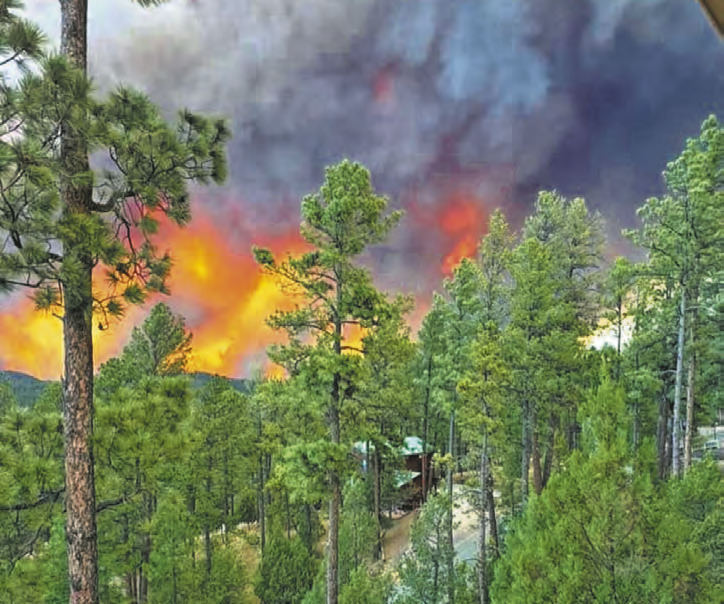
Drive through Ruidoso or into the Sacramento Mountains today, and you’ll see the problem: forests choked with dead timber, dense overgrowth, large burn scars, and millions of acres that have become nothing more than tinderboxes. This didn’t happen by accident.
It is the direct result of years of pressure from radical environmental activists who have blocked, delayed, and litigated away the very tools needed to keep forests healthy. Across the Lincoln National Forest and surrounding lands which is over 2.2 million acres, common-sense practices like thinning, logging, and controlled burns have been buried under lawsuits and red tape. The United States Forest Service (USFS) has been sued at nearly every turn, creating a system where doing nothing is often easier than doing the right thing.
This dangerous combination has resulted in exactly what we’re seeing today: catastrophic wildfires.
For generations, rural New Mexicans understood how to manage the land. Timber was harvested. Underbrush was cleared. Fire was used carefully and intentionally to maintain balance. But that system has been dismantled. Thanks to the New Mexico Environment Department (NMED) and misguided activism of its green allies, the logging industry has been gutted, sawmills have closed, and local expertise has been sidelined; all in the name of “protection.”
What we’ve been left with isn’t conservation. Let’s call it what it is–neglect.
The devastating fires of 2023 and 2024 made that reality impossible to ignore. Families lost homes. Businesses were wiped out. Entire communities were upended. And when the fires were finally out, the damage only got worse.
Burn scars turned into flood zones. Debris clogged waterways. Infrastructure was damaged. In Ruidoso, the economic fallout alone could reach hundreds of millions of dollars. This is the new normal: fire followed by flood, disaster compounded by more disaster.
These outcomes were entirely avoidable. They were the predictable consequences of refusing to manage our forests.
And yet, the same activist groups that pushed these policies continue to block reform; filing lawsuits, opposing projects, and insisting that less management is the answer. Meanwhile, agencies like NMED have failed to refocus on protecting communities, choosing instead to engage in political stunts while rural New Mexicans bear the consequences. My question to NMED is this: What’s worse, responsible forest management or devastating wildfires that emit massive plumes of smoke and kill every living thing in sight?
It’s time to hold radical environmental policies and those who champion them truly accountable for the damage they’ve caused. It’s time for the USFS to stop using litigation as an excuse and start actively managing federal lands. And it’s time for elected leaders to stand up to activists to protect New Mexico communities.
The path forward is clear: expand forest thinning, restore the timber industry, use common sense when implementing controlled burns, (and then watch them!) and invest in watershed management to prevent post-fire flooding. At the same time, we must ensure that families and communities devastated by these disasters are made whole.
Forests must be managed. Ignoring them doesn’t protect them, it destroys them. New Mexico is paying the price for years of bad policy. If we don’t change course now, we will continue to see the same cycle repeat: more fuel, more fire, and more communities left behind. It doesn’t have to be this way. But it will be…unless we act responsibly.
If you care about this important matter, Please contact Director, USFS Tom Schultz 1400 Independence Ave. SW Washington, D.C. 20250-003 or email sm.fs.webmaster@usda.gov