Home Blog Page 174

Swim teams prepare for district meet in Hobbs

0

Daily Press Staff Report

The Artesia High School swim teams ended the regular season Saturday with top-10 finishes at the Tom Casey Memorial in Albuquerque.

The boys took fifth and the girls took seventh as the district championships are this weekend in Hobbs.

The boys 200-medley relay took second place and won first place in the 400-freestyle relay, out touching Albuquerque La Cueva High School.

Aidan Ciro placed third in the 200-intermediate and fourth place in the 100-freestyle. Layton Whitmire placed third in the 50-freestyle and fifth place in the 100-backstroke. Eli DeHoyos placed sixth in the 50-freestyle and tied for first place in the 100-breaststroke.

The girls took fourth place in the 200-medley relay and seventh place in the 200-freestyle relay. Addisyn Hartman placed sixth in the 200-intermediate and fourth place in the 100- fly.

Ann Greenwood placed fourth in the 200-intermediate and won first place in the 100-breaststroke. Morgan Fisher placed ninth in the 100-freestyle and sixth place in the 100-breaststroke. Sarah Plotner was 10th in the 200-freestyle and ninth in the 500-freestyle.

Dying of Thirst in an Energy Desert

0

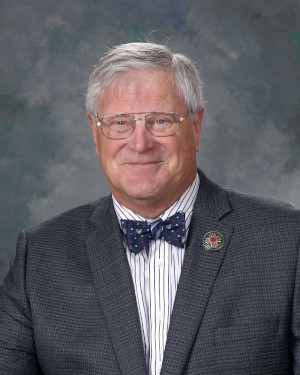
By: State Senator Larry Scott

There is an old saying in New Mexico that ‘Water is Life’ and it is true that without this precious substance, existence in the desert southwest would not be possible. Just as vital to our ability to live here is the availability of energy. Available, reliable, and affordable energy is crucial to our economic welfare and our prosperity.

Yet current legislative proposals are putting development of our energy resources in jeopardy. The misguided notion that greenhouse gas emissions must drop to zero threatens our prosperity and puts us on a path to poverty. The Senate Conservation Committee just passed a bill that mandates a complete elimination of greenhouse gas emissions by 2050. Admittedly, energy production does produce limited emissions, but it is undeniable that these production facilities are directly linked to our state’s economic prosperity.

We are already seeing the effects of this Governor’s executive order mandating reductions. The San Juan Generating Station, a coal-fired power plant in northwest New Mexico, was forced to close recently, costing approximately 1000 New Mexico residents their jobs. Let’s face it— the CO2 emissions eliminated by the closure of this power plant will have no measurable impact on the atmosphere of the planet but is still taking a significant toll on the now-unemployed coal miners and plant workers, many of them members of the Navajo Nation. Nearby Central Consolidated Schools noted, for example, that the plant closure created a 700% increase in homelessness in their school district.

Just picture this: A Navajo miner walks into his kitchen after a long day at work, hangs up his hard hat, and sits down at the table with a cup of coffee. His wife is cooking dinner. He starts the conversation with this: “Honey, I lost my job today, but it’s okay as long as NM comes into full compliance with the Paris climate accords.”

Looking forward, electric power suppliers are indicating that there is a wait of up to twenty-four months to establish industrial power connections in some parts of the state. Put simply, there is too little power being generated or too little capacity to route power where it’s needed to meet the additional demand. As a result, businesses will not choose to locate here, robbing New Mexicans of economic opportunities.

For example, there appears to be new potential in the realm of data centers and ‘artificial intelligence’ facilities. Estimates are that as much as $500 BILLION dollars will be expended to develop this capability nationwide. Sadly, much of this economic opportunity will bypass New Mexico because we simply cannot provide the electricity to power such operations. The jobs, payroll taxes, gross receipts taxes, and prosperity will slip through our fingers, like smoke through our otherwise emissions-free atmosphere.

Larry Scott is a New Mexico State Senator representing District 42.

Artesia bowling dedicates season to cancer fight

0

By Ken Clayton

Sports and real life often cross paths and in doing so can create bonds that last a lifetime. We have all seen the amazing compassion of many of our professional athletes through their making dreams come true via organizations like the Make a Wish Foundation and other such organizations.

Young people being delt a hand that we may say is unfair and that we don’t understand, yet they show a strength and a resilience that we may also not understand. We watch intensely and are moved by both the joy and excitement we see in a young person that we know has seen so many tough days. We are proud of the organizations and the athletes that make this special young person forget the rest of the world for the day.

I write this story to admit that I watch the stories I have described, am touched emotionally and then life goes on. Little did I know that one day, my own emotions were going to be moved in a way I had never felt before.

In speaking at the American Bankers Association, Government Relations meeting in Washington, D.C., I looked to the back of the room and saw Bobby Sutton Mork. Bobby’s Mom, Kirsten Sutton is the Executive Vice President (EVP) of Congressional Relations for the American Bankers Association (ABA), and I am fortunate to work with her in my involvement with the ABA.

Bobby is a 10-year-old young man who just recently completed the first year of his three-and-a-half-year treatment plan for T Cell Acute Lymphoblastic Leukemia. When the dinner ended, all I wanted to do was go talk to Bobby. I can’t explain the feeling I had talking to a young man I had never met before. Bobby captured my attention telling me about his video game that I am sure he could beat me at easily, but when he came over and shook my hand before leaving, he touched my heart.

So where do sports and real-life cross paths in my story. As many know, I have coached the Artesia, NM High School Bowling team for eighteen years. Some say we have a dynasty, in which the state trophies and banners may seem to support, however I say our dynasty is our reputation of respect, desire and compassion.

At bowling practice, I was telling Bobby’s story to some of my bowlers and that his mom Kirsten ends her emails with #TeamBobby #BeatCancer. My team was touched. This season we had decided to buy jackets for all team members which have our team logo, our State Champions designation and everyone’s name. Long story short, #TeamBobby has a new member in team #ArtesiaBulldogBowling. And Bobby is an honorary member of a team of thirty-eight kids and two coaches that will carry his #TeamBobby #BeatCancer proudly on our jackets.

Student athletes making a choice, turn orange thread into hashtags that say we stand with a 10-year-old boy in his battle. The logo and words State Champions on Bobby’s jacket will remind him that he is part of a team that wins and that together we will both win.

Ken Clayton is the head bowling coach at Artesia High School and chairman of Western Bank in Artesia.

The Mergers and Acquisitions bill that will kill N.M. health investment

0

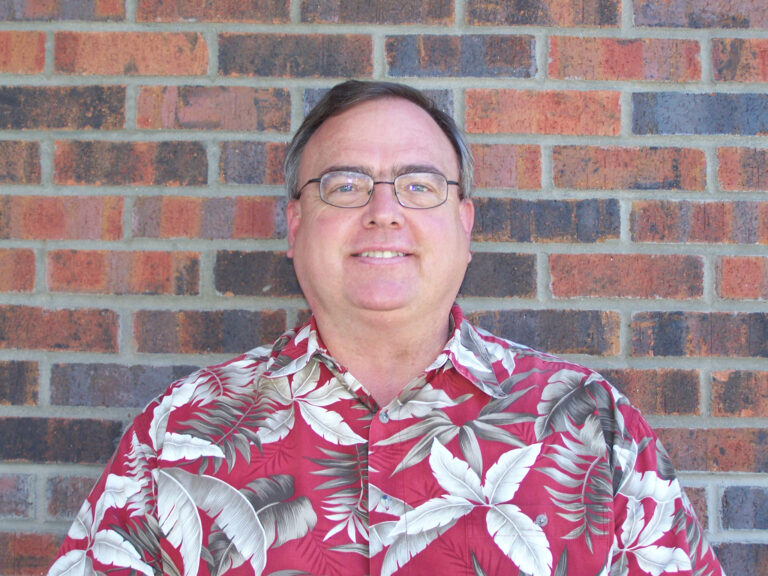
By Ian Koons

Fiftieth in education, No. 48th in Crime and Corrections, No. 45th in Economy. As it stands today New Mexico is in the bottom five nationally in almost every statistical category. The one category where N.M. does not yet rank pitifully low is in healthcare, where we currently sit at #38th nationally. However, a group of misinformed legislators have put forth a bill that will guarantee that the state’s healthcare industry too joins the bottom five nationally.

This month the Round House will consider The Health Care Consolidation and Transparency Act, sponsored by House Majority Leader Reena Szczepanski (D-Santa Fe) and Sen. Katy Duhigg (D-ABQ), and supported by Alice Kane, the N.M. superintendent of insurance. Under the guise of protecting our state from moving our biggest employers out of state, Szczepanski and Duhigg, I believe, have miscalculated what this bill will do. These legislators have said this is in response to the failed Presbyterian Healthcare Services merger in 2023, whereby a select few executives had moved to Denver ahead of a potential merger with Unity Point out of Iowa. This merger ultimately did not come to fruition, but a side effect has been to rile up Round House legislators, who put forth a draft bill in February that, if passed, would require state approval of any healthcare acquisition or merger.

Now on the surface, we may say that sounds great that the state would protect our jobs (though how one exports healthcare jobs is a bit of a mystery as the sick people would ostensibly remain here). However, what they fail to understand is this bill will kill healthcare economic development in our state for the next decade. How? Well, it’s no secret that most of the major growth in other states (see Arizona and Texas, the former was the same size as N.M. in 1989!) comes from investment dollars into startups and technology that fosters economic growth. If investors know up front a state government will determine whether a sale or merger can happen, they will never invest in N.M.

This will cause the tiny venture-backed startup community to continue to shrink. Now you may ask what authority or insight I may carry? I am, in fact, the co-founder and CEO of Karoo Health, one of the only venture-backed businesses in N.M. Karoo is a value-based care cardiology start up working in 10 states. We have raised nearly $7 million so far and are scheduled to raise another $20 million — and create hundreds of jobs — in the next year. As a result of this bill, we must seriously consider bringing those jobs here — thereby handing an oversight committee the power to block any sale or merger my company might entertain. This is a small example of the ripple effect this bill will have on economic development, but hopefully paints a picture of the shortsighted and misinformed threat this bill has on N.M.

Duhigg said when unveiling the legislation that it would protect the people of N.M. from the rapaciousness of private equity and from unfair market practices. “This is really a monopoly issue,” Duhigg told KUNM in May. “This is an antitrust issue, and we don’t have great antitrust laws here in New Mexico.”

But the failed Presbyterian Merger upon which this measure is based did not involve any private equity. Private equity-backed healthcare providers account for less than 4% of the U.S. provider ecosystem, according to a 2024 Pitchbook analysis. A similar measure in California has stalled due to concerns that it would stifle innovation and investment in healthcare.

Pitchbook also estimated the cumulative revenues of private equity-backed healthcare providers at $118 billion/year, just 3.3% of the $3.5 trillion in revenue nationally. For comparison, the 2023 revenue of OPTUM Health alone was $95 billion. Also of note, current private equity deal activity in U.S. hospitals and skilled nursing facilities, or SNFs, is near zero. Hospital and SNF deals have accounted for less than 1% of private equity healthcare services deals since 2022.

I love our beautiful state. I want to raise my three kids here, near my wife’s sprawling family. But this bill may force us to consider moving to a state more interested in the long-term health of their citizens, and the companies innovating to ensure that.

Ian Koons is co-founder and CEO Karoo Health; Karoo provides wraparound services and technology to enable the transition from fee for service to value based care for some of our most most vulnerable populations in partnership with over 750 cardiologist providers nationwide.

Artesia sweeps Lovington

0

Peter Stein

Hobbs News-Sun
LOVINGTON – The Lovington boys basketball game against Artesia Friday night was a see-saw battle for a while.
It see-ed in Artesia’s direction, then saw-ed in Lovington’s.
But ultimately the momentum see-ed back toward Artesia, and the Wildcats might have seen their District 4-4A championship hopes saw-ed off, after they went ice cold and lost 59-46 before a packed Lovington High School gym.
“We didn’t hit shots,” Wildcats head coach Casey Pack said. “The game’s about knocking down shots and we weren’t knocking down shots, and the zone got tighter. We’ve got to knock down shots.”
“Artesia, you’ve got to give credit to them,” Lovington senior Kayle Covington said. “That’s the No. 1 team in the state. We did get a little cold in the third quarter, and they got into a zone.”
Artesia opened the game looking like the No. 1 team in the state, jumping to a 7-0 lead, thanks to a fallaway jumper by Clay Kincaid, a running bank shot plus an and-one by Charlie Campbell, and a Kincaid dunk.
Lovington, though, then embarked on a 12-2 run, including six points from Covington and a pair of treys – one by Mika Pando, the other from Danny Criswell from the right corner that gave the Wildcats their first lead of the night, 12-9, with two minutes to go in the first quarter. Lovington was up 17-13 by the end of the period.
The Wildcats opened up a 25-17 lead in the second, with the 24th and 25th points coming on a Criswell reverse. But that’s when Lovington’s offense went into chill mode while the Bulldogs got going again. With an inside basket from Jack Byers, a two-point bucket from ex-Hobbs player Braylon Vega, a free throw from Campbell, and a trey from Vega, the Bulldogs quickly erased the eight-point deficit and drew into a 25-all tie.
A Criswell bank shot put Lovington back in front, 27-25, but a pull-up jumper by Campbell knotted the game at 27, and that was the score at halftime.
The Bulldogs had opening possession in the new half and made good on it when Campbell buried a three-pointer to make it a 30-27 game.
A short turnaround jumper followed with an and-one by Campbell put Artesia ahead by six, and a third-chance basket by Kincaid a bit later had the Bulldogs up 35-27.
Lovington was within 35-30 when Pando drilled a right-elbow trey with just over three minutes to go in the third quarter, but Artesia went up 37-30 on a short jumper from Campbell, then 39-30 on an inside basket from Trent Egeland off a Campbell dish. It was still a nine-point game, 44-35, by the end of the third quarter, and though Lovington was within 44-38 early in the fourth, Artesia closed on a 15-8 run and won by double digits.
Cambell led the way for Artesia, pouring in a game-high 27 points.
“We had a mismatch with Charlie,” Pack said, “and Charlie did a great job. We’ll have to do a better job of controlling that.”
Despite their defeat, the Wildcats had a huge crowd behind them.
“I want to thank Lovington fans,” Pack said. “I’ve been here seven or eight years, and this is the fullest this place has been.”
Lovington will move away from that friendly gym for a road game against Goddard, 7 p.m. Tuesday night in Roswell.
“We can’t look past them,” Pack said. “Now we’re starting (district) 0-1, we’ve got to get after it. You’ve got to take care of your home advantage; we didn’t, so now we’ve got to win on the road.”
And the ’Cats will see Artesia again, at least once, possibly three more times.
“I think we can contend with any team in the state when we’re on,” Covington said, “and we’re competing for shots and playing like I know we can play.”

Too little, too late: Lady ‘Cats fall short against Artesia

Sometimes when teams are already down by a bunch and miss shots, it doesn’t seem to matter. But then they rally, lose a close game and all those earlier missed shots seem a lot more crucial in retrospect.
The Lovington girls basketball team endured that against Artesia on Friday night at Lovington High School. The Lady Wildcats clanked, clunked and doinked their way through too many possessions, then raced back in the fourth quarter with a chance to tie, only to ultimately fall 41-37 in the District 4-4A opener for both teams.
“‘Look at yourself,’” is what Lovington head coach Chief Bridgforth said he told his players after Friday’s game. “In the third quarter alone we had seven empty possessions; in the fourth we had several run-outs and bobbled it away. We just never got over the hump.”
“There were a lot of opportunities that we missed,” Lady Wildcats junior forward Abby Shouse said. “But I feel like we’re getting better seeing each other on the court, and we’ll definitely be able to see more opportunities as we go through district.”
Shouse also believed Artesia had a lot to do with Lovington’s offensive woes.
“It was really tough getting thrown across the floor,” she noted. “But it’s Artesia, they’re going to be physical. Next time at their place we’re going to fight back.”
Lovington mustered just four points in Friday’s first quarter – a Malaiya Castro trey and an Ashelynn Borunda free throw – while Artesia scored 14 to build a 10-point lead by the period’s end.
The Lady ’Cats charged back in the second quarter, narrowing their deficit to a reasonable 24-21 by halftime.
Lovington was down only 27-23 early in the third quarter, and had chance after chance to climb even closer. There was a possession where the usually steady-eddy Aubrey Aranda pulled up for a jumper that bricked off right iron. The Lady Bulldogs missed on their ensuing possession, but when the Lady ’Cats took over, they lost they ball out of bounds. After Artesia failed to score on its possession after that, the normally accurate Castro missed a shot, and the next Lady Bulldog possession ended with a Kailee Padilla layup that stretched Artesia’s lead to 29-23.
Lovington’s J’Bree Rios narrowly missed a shot from underneath, and Artesia transitioned that to an Avery Frederick hoop – a third-chance bucket on the possession to boot. The Lady Bulldogs soon added another basket, this time from Jenna Whitmire, to reclaim a double-digit lead, 33-23 with 1:20 remaining in the third quarter. By the period’s end, Artesia led 35-26.
It was 40-32 Artesia when the Lady Wildcats recovered some of their rhythm, some of their offense. An inside basket from Borunda brought the Lady ‘Cats within six, soon followed by a stop-and-pop trey from her to make it a 40-37 game.
But time was fleeting, under a minute to go. With just over 30 seconds remaining, Aranda hustled to the sideline for an apparent steal, and fed the ball downcourt to Castro. But Aranda had stepped on the line and Artesia retained possession.
The Lady Bulldogs, though, soon suffered one of their own miscues, throwing the ball out of bounds with 19.57 seconds left. The Lady Wildcats set up their offense, needing a three, and Aranda found Borunda open in the left corner. Borunda put up the potential game-tying shot, and it looked good on the way up and on the way down, but spun around the rim tantalizingly before spinning out. Padilla was intentionally fouled with 5.37 seconds to play, and hit one of two free throws, making it a 41-37 – in other words, two-score – game. After Padilla missed the second attempt, Shouse grabbed the rebound and sent the ball ahead to Aranda, who only had time for a half-court chuck that hit off the glass.
Lovington had suffered a four-point loss. So close, but …
“I asked them, ‘Anyone here, be honest, if you thought that you played well, tell me.’ No one did,” Bridgforth said. “Gotta make shots. If you’d told me before the game we would hold ’em to 41, I’d have felt pretty good.”
Artesia improved its overall record to an unspectacular 9-11, but the Lady Bulldogs are 1-0 in the super-important district standings. Lovington, meanwhile, dropped to 12-9 overall, but 0-1 in district.
“It’s tough to lose a home district game,” Bridgforth said. “Winning this could have won District 4, losing it could lose District 4. You get more than one district loss you never recover, so we’ve got to get to work, bounce back.”

Ioniq 5 N power unmatched

0

By Len Ingrassia
Automotive columnist

Electric cars and SUVs are clearly changing the way consumers look at high performance on four wheels. Used to be six-figure McLarens, Porsche, Audi RS e-Tron and Lamborghini Urus conjured up supercar status with ridiculous performance.

The landscape has changed. Today’s newcomers include the recently debuted triple motor Lucid Air Sapphire – a 1,200 horsepower, quarter-million-dollar sedan that holds the record for 0-60 miles per hour at just under two seconds.

Don’t have a quarter-mill lying around? No worry. Hyundai has come out with a modest looking compact SUV with a $60s price point that keeps up or blows by most of the above exotics at 2.8 seconds.

There is a more pedestrian Ioniq 5 – a fine electric but no match for the N badge with up to 641 horsepower. All N’s start with 601 ponies and all-wheel drive.

Add 21-inch rubber, 4-piston front brake calipers, sleek front fascia, side skirts, large rear diffuser, electronically controlled suspension and LED projector headlights and you have an unmatched serious electric that’s also a blast to drive.

The jump in available power comes from its dual electric motors and a lithium-ion battery system that is highly conditioned. Following a 20-minute pre-warming cycle, an NGB (N Grin Boost) feature is activated by depressing the accelerator pedal and a red button on the steering wheel releasing 10 seconds of awesome boost.

As a daily driver, the Ioniq 5 N is suitable for city streets – a nimble machine that is easy to park, will travel on alleyways and fits almost anywhere. In highway travel, the racer will surprise the bulk of motorists thinking it just another small SUV until they see how it handles passing maneuvers, zipping around corners and massive acceleration.

At 2½ ton, the N has a driving range of 221 miles. A 240-volt outlet in your garage will replenish power in about nine hours. Hyundai says an ultra-fast DC charger will recharge from 10 to 80 percent in 18 minutes although we were unable to confirm this claim. We wouldn’t recommend a 110-volt charge unless you have about three days.

Interior treatment is average and mostly a carryover from the standard Ioniq 5. Front and rear passengers have ample room to lounge about and recline in total silence as the N meanders with normal acceleration.

The driver has vast visibility out front but massive rear roof pillars result in blind spots to either side. Fortunately, live camera views are visible with the flick of turn signals and surround view cameras also help.

There are numerous drive settings – so many variations that you probably won’t use them all. In addition to Eco, Normal, Sport and N modes, Hyundai added Endurance and Sprint modes for track qualifications, drifting and all out drag racing.

There are also multi simulated gear shifts built in to make the N feel like a gas-powered machine by pulling on the steering wheel mounted paddles – a unique feature that can be turned on and off.

There are no direct competitors for the N. With its affordable price point you may want to give it a test drive.

(Contact independent automotive columnist Len Ingrassia at editor@ptd.net)

What was reviewed:

2025 Hyundai Ioniq 5 N AWD

Engine: Dual electric motors – 320 horsepower – AWD

MSRP/as tested: $66,100 / $67.685

Assembled: Fully assembled in Ulsan South Korea. U. S. / Canadian parts content – 1 percent; major source of foreign parts – South Korea – 65 percent, China – 30 percent. country of origin – engine and transmission – South Korea.

Crash test ratings: Neither the Insurance Institute for Highway Safety (IIHS) or National Highway Traffic Safety Administration (NHTSA) had evaluated crash worthiness of the Ioniq 5 N as of this writing.

Warranty: 5 year/60,000-mile bumper to bumper; 10 year/100,000-mile power train, lifetime battery, 10 year/100,000-mile hybrid components. 3-year/36,000-mile complimentary maintenance.

Measles Prevention Tips

0

Courtesy of Artesia General Hospital

As measles cases rise in our area, it’s more important than ever to arm ourselves with the right information and practical tips to safeguard our families. In this post, we explore effective preventive measures—from vaccination to everyday hygiene practices—that can help reduce your risk of contracting and spreading measles.

Understand the Risks

Measles is a highly contagious viral illness spread through respiratory droplets when an infected person coughs or sneezes. Even a brief exposure in a crowded place can lead to transmission, which is why understanding the risks is the first step toward protection. Being aware of the symptoms—such as high fever, cough, runny nose, and a characteristic rash—can also help you identify potential cases early on.

Vaccination: Your First Line of Defense

The most effective way to prevent measles is through vaccination. The Measles, Mumps, and Rubella (MMR) vaccine is proven to be safe and highly effective. Health authorities, including the Centers for Disease Control and Prevention (CDC), recommend that all eligible individuals receive the vaccine. For children, the first dose is typically administered around 12-15 months of age, with a booster given between 4-6 years. Adults who have not been vaccinated or are unsure of their immunization status should consult with their healthcare provider about getting the MMR vaccine.

Practice Good Hygiene

While vaccination is crucial, practicing good hygiene can further reduce your risk of infection:

• Frequent Handwashing: Wash your hands thoroughly with soap and water for at least 20 seconds, especially after being in public places or coming into contact with someone who is sick.

• Use Hand Sanitizer: When soap and water aren’t available, use an alcohol-based hand sanitizer containing at least 60% alcohol.

• Cover Coughs and Sneezes: Always cover your mouth and nose with a tissue or the inside of your elbow when coughing or sneezing to prevent the spread of respiratory droplets.

• Avoid Close Contact: During an outbreak, try to avoid crowded places or maintain a safe distance from individuals showing symptoms of illness.

Stay Informed with Trusted Sources

Reliable information is key during an outbreak. Regularly check updates from trusted sources like your local health department and the CDC. The CDC provides detailed guidelines on measles prevention, vaccination schedules, and what to do if you suspect exposure. Staying informed ensures you’re aware of any changes in recommendations and can act promptly if necessary.

Protecting Vulnerable Family Members

Some individuals, such as infants, pregnant women, and those with compromised immune systems, are at a higher risk for severe complications from measles. Here are some steps to protect these vulnerable members:

• Consult Healthcare Providers: If you have a family member who is at high risk, speak with a healthcare provider to understand specific precautions.

• Ensure Up-to-Date Vaccinations: Double-check that all family members, especially those in close contact with high-risk individuals, are up to date on their vaccinations.

• Limit Exposure: Consider reducing outings or visits to crowded public places during an active outbreak.

What to Do If You Suspect Exposure

If you believe you or a family member has been exposed to measles, it’s important to act quickly:

• Monitor for Symptoms: Watch for early signs of measles such as fever, cough, or rash.

• Seek Medical Advice: Contact your healthcare provider immediately if symptoms appear. Early intervention can be crucial, especially for those at higher risk.

• Isolate if Necessary: Follow the advice of your local health authorities regarding isolation to prevent further spread.

Conclusion

Preventing the spread of measles is a community effort. By ensuring that you and your family are vaccinated, practicing rigorous hygiene, and staying informed through trusted sources like the CDC, you can significantly reduce the risk of infection during an outbreak. Remember, your proactive steps not only protect your loved ones but also contribute to the broader community’s health. Stay safe and stay informed!

Debunking Measles Myths: Facts vs. Misinformation

During an outbreak, accurate information is critical. However, misinformation about measles can spread quickly, leading to unnecessary fear and risky behaviors.

Common Measles Myths

Myth 1: Measles Is Just a Mild Childhood Illness

Some believe that measles is a benign part of growing up. However, measles can lead to severe complications including pneumonia, encephalitis, and even death—especially in infants and immunocompromised individuals. The CDC stresses that measles is a serious disease that should not be taken lightly.

Myth 2: Vaccines Are Dangerous and Cause More Harm Than Good

Misinformation often claims that the measles vaccine is unsafe or linked to conditions like autism. Extensive research has consistently shown that the Measles, Mumps, and Rubella (MMR) vaccine is both safe and effective. According to the CDC, the vaccine’s benefits far outweigh any minimal risks associated with it.

Myth 3: Natural Immunity Is Better Than Vaccine-Induced Immunity

Some argue that contracting measles naturally offers stronger immunity than vaccination. While natural infection can provide immunity, the risks of complications far exceed the benefits. Vaccination provides a safe way to build immunity without the dangers of the actual disease, a point well-documented by the CDC.

The Facts Behind Measles

Understanding the Disease

Measles is caused by a virus that spreads through respiratory droplets. It is highly contagious, and even a short exposure in a public place can result in transmission. Early symptoms include high fever, cough, runny nose, and a distinctive rash. The severity of measles, especially among vulnerable populations, reinforces the need for accurate information and proper prevention methods.

The Proven Efficacy of Vaccination

The MMR vaccine has been a cornerstone of measles prevention for decades. Vaccination not only protects individuals but also contributes to community-wide herd immunity. The CDC recommends that all eligible individuals receive the vaccine as a safe, effective means of preventing outbreaks.

Combating Misinformation

The Role of Reliable Sources

In today’s digital age, misinformation can travel fast. It is crucial to rely on authoritative sources when researching health topics. Trusted organizations like the CDC offer evidence-based guidelines and data that help clarify the real risks and benefits associated with measles and its prevention.

How to Identify Misinformation

• Check the Source: Is the information coming from a reputable public health organization or a well-known medical institution?

• Look for Scientific Evidence: Trusted information is usually backed by research and verified studies.

• Stay Updated: Health guidelines can change. Regularly check trusted websites for the latest information.

Conclusion

Debunking myths and relying on verified facts is essential during a measles outbreak. By understanding the real risks of measles, the proven safety of vaccines, and the importance of credible information, we can better protect ourselves and our communities. For more detailed guidance on measles prevention and the latest updates, visit the CDC’s measles page.

Staying informed with accurate, research-backed data is the best defense against misinformation—ensuring that our decisions are driven by facts, not myths.


BPA in Santa Fe

0

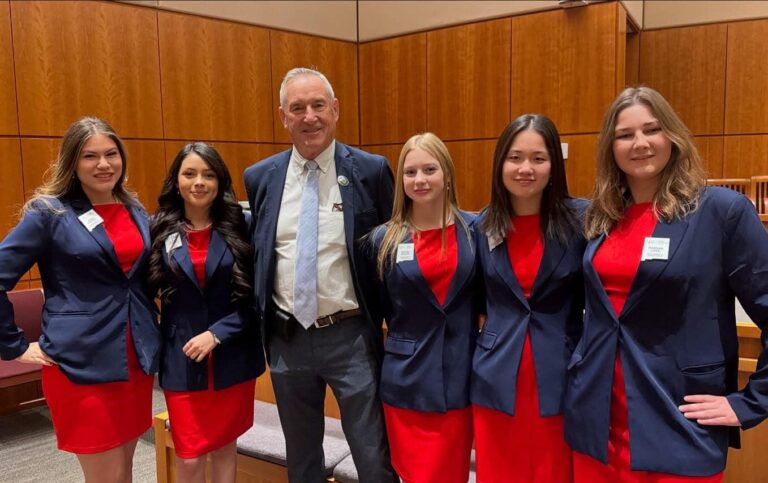
Artesia High School’s chapter of the Business Professionals of America met with lawmakers in Santa Fe at the start of the 2025 Legislative Session.

The session opened Jan. 21, and runs until March 22. During the 60-day session, lawmakers will propose and debate hundreds of bills to reform New Mexico State law.

Bills must be approved by both the House and Senate, and signed into law by Gov. Michelle Lujan Grisham by April 11.

The man who loved gold

0

By: Pastor David Grousnick

There was a man who loved gold. Then he inherited a fortune. With joy he redecorated his bedroom. He put gold parchment wallpaper up, hung yellow curtains, had a golden colored rug and a yellow bedspread. He even bought some yellow pajamas.

But then he got sick and came down with, of all things, yellow jaundice.

His wife called the doctor who made a house call and went up to that bedroom for an examination. The doctor stayed up there a long while. When he came down, the wife asked, “How is he?”

“Don’t know,” said the doctor. “I couldn’t find him.”

I heard about an expert in diamonds who happened to be seated on an airplane beside a woman with a huge diamond on her finger. Finally, the man introduced himself and said, “I couldn’t help but notice your beautiful diamond. I am an expert in precious stones. Please tell me about that stone.”

She replied, “That is the famous Klopman diamond, one of the largest in the world. But there is a strange curse that comes with it.”

Now the man was really interested. He asked “What is the curse?”

Lowering her voice, she replied, “The curse is Mr. Klopman.”

The curse of any kind of valuable possession is its capacity to steal our hearts and souls and somewhere in the process, we can easily get lost.

A seminary professor named Stanley Hauerwas had a novel idea about how churches should receive new members. A teacher of Christian ethics at Duke University,he was considered by many to be one of the world’s most influential living theologians.

He once wrote about the church’s need for honesty and he called for us to tell the truth as a “community of character.”

To this end, he had a modest proposal. Whenever people joined the church, Hauerwas thought they should stand and answer four questions:

Who is your Lord and Savior? The response: “Jesus Christ.”

Do you trust in him and seek to be his disciple? “I do.”

Will you be a faithful member of this congregation? The answer: “I will.” Finally, one last question: What is your annual income?

You heard me correctly. When people joined the church, Dr. Hauerwas thought they ought to name their Lord and Savior and tell their fellow church members how much money they made!

According to William Cater, obviously Hauerwas did not serve as a pastor of a congregation. His idea just wouldn’t work, especially in the American church.

Most church members believe salary figures are more sacred than prayer, and would quickly tell an inquisitive minister to snoop around somewhere else.

What’s more, parish experience tempers the questions a minister might ask of church members. Most pastors learn early on how to dance around the issue of money without ever naming it.

Nevertheless, the perception of our financial worth and our feelings about being successful often get so wadded up together it’s hard to keep your eye on the true prize.

More than forty years ago, John Killinger heard a man describe two paintings he said he had at his home.

One was of the figure in Jesus’ story of the rich man whose crops produced so abundantly that he decided to pull down his barns and build bigger ones, and he said to his soul, “Soul, eat, drink, and have a great time, for tomorrow you die.” The caption under this painting said: “The Failure that Looked Like Success.”

The other painting, the companion painting, was of Jesus dying on the cross, the crown of thorns on his head, his chin drooping against his chest, the crude nails in his hands, and all his friends off somewhere in hiding. The caption under this picture said: “The Success that Looked Like Failure.”

We would all like to be successful and fulfilled as persons. It is one of the dreams with which our culture surrounds us.

But when we listen to Jesus, we realize that success and fulfillment don’t really come the way we often expect them to. They aren’t the direct result of anything we can do to attain them.

Instead, they’re a gift from God and they simply happen when we are doing the right things with our lives. In God’s eyes it is a whole lot better to be a success that looks like failure than a failure that looks like success.

And, if you have bought any lottery tickets, good luck! And if you win, don’t forget your local charities!! And if you win big, don’t forget First Christian Church.

That’s OK to say, isn’t it?

David Grousnick, is the Pastor at the First Christian Church in Artesia.

Outrageous Barbecued Nachos

0

Let these nachos be the hit at any gathering

Chips and dip always work when entertaining, and the potential flavor combinations of this classic party offering are endless. When it comes to nachos, the dip and the chip are melded into a single dish for a convenient and tasty offering that works as a snack, appetizer or even a main course. Of course, nachos also are a go-to dish while watching the big game with friends.

Nacho flavors run the gamut from Latin-inspired to chili-covered to everything in between. These Outrageous Barbecued Nachos courtesy of Virgil’s Barbecue Road Trip Cookbook (St. Martino’s Press) by Neal Corman, pair the smoky flavor of slow-cooked barbecue with the zip of some nacho standards like jalapeno peppers and cheese.

Outrageous Barbecued Nachos

Serves 4-6

3 ounces (about 1 cup) pulled pork

3 ounces (about 1 cup) pulled chicken

3 ounces (about 3 slices) sliced and chopped barbecued brisket

1 1/2 cups favorite mild barbecue sauce

3/4 (10-ounce) bag tortilla chips

1 cup shredded Monterey Jack cheese

1 cup shredded mild cheddar cheese

15 pickled jalapeno slices

1. Preheat the oven to 400 F.

2. Combine the meats and barbecue sauce in a small saucepan over medium heat.

3. Spread half of the tortilla chips on a small cookie sheet. Cover the chips with half of the meat and sauce. Top with half of each cheese.

4. Repeat the process on top of this layer, using the other half of the ingredients.

5. Bake until the cheese is completely melted, about 10 minutes. Remove and top with the jalapenos.