Adrian Hedden
Artesia Daily Press
ahedden@elritomedia.com
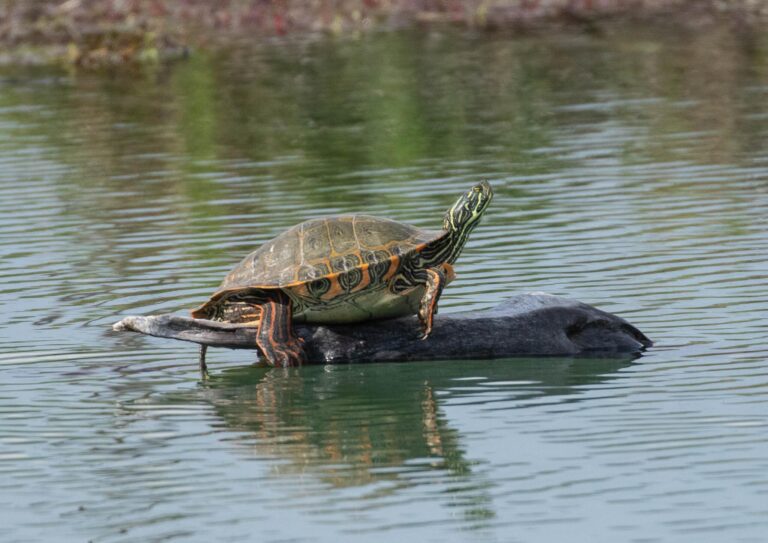
A struggling turtle native to the waters of New Mexico, including the Pecos River, is at the center of a federal lawsuit.
The Rio Grande cooter was denied federal protections under the Endangered Species Act in 2022 after a petition by the Center for Biological Diversity called for it to be added to the federal list of “endangered” species.
Endangered status means the federal government, namely the U.S. Fish and Wildlife Service, believes a species’ extinction is imminent.
Such a listing means the agency must devise a recovery plan, require stricter analysis before development can occur near or in habitat, and potentially set aside lands for the species’ recovery.
The lesser “threatened” status indicates the service believes an endangered listing may soon be warranted and results in similar requirements to prevent extinction.
In response to the service denying the cooter endangered status about three years ago, the Center for Biological Diversity sued the Fish and Wildlife Service Jan. 8 in U.S. District Court for the District of Columbia seeking to reverse the agency’s 2022 decision and calling for a judge to set a hearing on the matter.
The complaint cited data and research the national environmental nonprofit argued was proof that protections were needed.
The cooter dwells in a “fragmented range” across the Pecos, Rio Grande and Rio Bravo rivers in New Mexico, West Texas and northeast Mexico, read the suit, and its survival is threatened by worsening drought in the riparian areas where it dwells.
“Rio Grande cooters are threatened by climate change, unsustainable water usage and the oil industry’s influence, but we can save them with Endangered Species Act protections,” said Camila Cossío, an attorney at the Center.
The turtle is also impacted by the trade industry, read the suit, when the turtles and other “exotic” species are collected and exported as pets out of their natural habitats.
Seven of the top 10 pet exports from the U.S. are turtle species, read a 2025 study published by the Center for Biological Diversity. About 8.7 million reptiles were exported from the U.S. since 2017, most of them directly from the wild, the study read.
“The pet trade contributes to the growing global extinction crisis,” read the study. “Wildlife exploitation, including taking animals out of the wild to become pets, is the leading driver of marine species loss and the secondary driver of terrestrial species loss.”
The Center originally filed a petition to list the cooter in 2012, and the Fish and Wildlife Service in 2015 issued a 90-day finding that a listing would be warranted. That triggered a 12-month analysis, which led to the 2022 denial to grant the species protected status.
In denying the listing, the Fish and Wildlife Service explained that despite stressors on its habitat, the species had several “resilient” populations throughout its range in Texas and New Mexico.
Cooter populations were found in all five of its native river basins: the Pecos River in New Mexico, the Devils River and Rio Grande in Texas, and two others in Mexico, read the service’s 2022 announcement denying the listing.
As a result, the announcement read, the species maintained “genetic diversity,” meaning cooters can reproduce in different areas and problematic traits such as diseases can be bred out of the population.
“Because Rio Grande cooter has maintained multiple resilient population analysis units across a diversity of habitat types and within all five river basins in which it historically occurred, the species has retained redundancy and representation at the species level,” read the announcement.
“Based on these conditions, the current risk of extinction for the Rio Grande cooter is low.”
Opponents of the listing argued a listing would unduly impede development in the oilfields and ranchlands of West Texas and southeast New Mexico, where the Permian Basin – the United States’ busiest oil and gas field – is located.
Robert Hatter, landman at the Texas General Land Office, argued western portions of the 13 million acres of state-owned land where oil and gas is produced could be adversely affected by listing the cooter.
“The (General Land Office) believes this substantial acreage would be adversely and unnecessarily impacted by a listing, due to the associated restrictions that a listing would impose on economic development of the property,” read comments signed by Hatter and submitted in 2015 when the listing was proposed.
Managing Editor Adrian Hedden can be reached at 575-628-5516, or @AdrianHedden on the social media platform X.