Alex Ross
El Rito Media
aross@elritomedia.com
A southeastern New Mexico lawmaker’s proposal to impose a tax on renewable energy produced within the state was blocked by a committee of lawmakers.
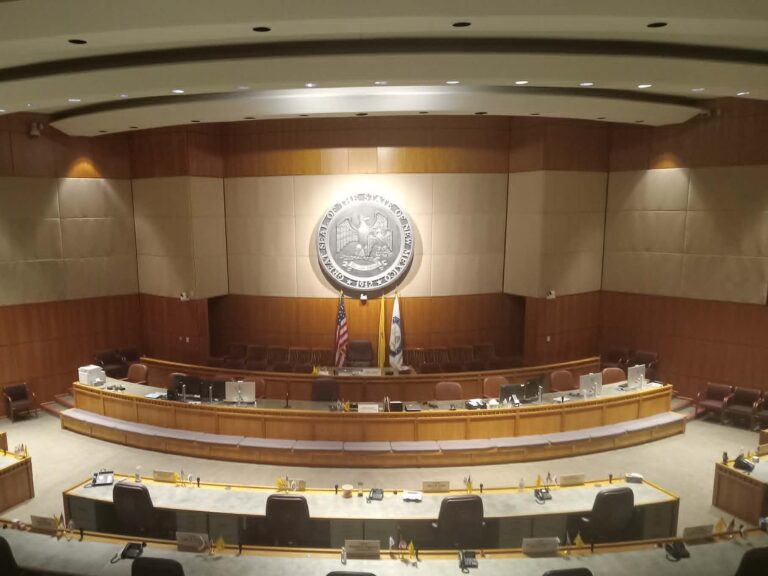
Following a half-hour of discussion and comments from the public, the House Energy, Environment and Natural Resources Committee voted 6-4 on Tuesday, Jan. 27 to table House Bill 113.
The committee would need to take a separate vote on the bill to bring it back off the table, and reconsider advancing the legislation. Legislation must pass at least two committees in the chamber where it originates before going before the full body.
After gaining such approval via a floor vote, the bill would head to the other chamber for similar approvals before being signed into law or vetoed by Gov. Michelle Lujan Grisham.
The vote to table HB 113, preventing it from continuing in the process, broke down along party lines with all Democrats on the committee supporting the motion.
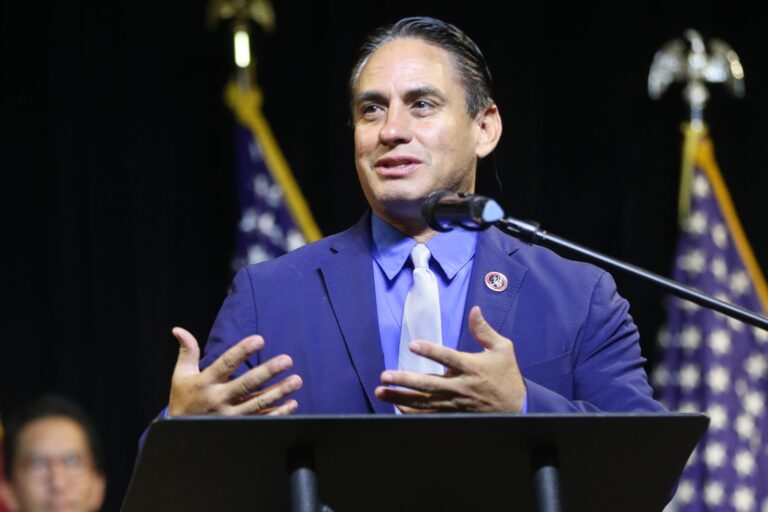
HB 113 was introduced by Rep. John Block (R-51) of Alamogordo and would have levied a monthly tax of 3.75% of the value per megawatt-hour of electricity generated in New Mexico from solar, wind, biomass, hydroelectric and geothermal sources.
According to the U.S. Nuclear Regulatory Commission, a megawatt-hour is “a unit of energy equal to 1,000 kilowatts of energy used continuously for one hour.”
The U.S Energy Information Administration reports that in 2022 the average residential electric utility customer purchased 899 kilowatt hours of electricity a month, which is equal to 0.899 megawatt hours.
Proceeds from the tax would go into the Severance Tax Permanent Fund, a fund composed of taxes assessed on the value of oil and natural gas extracted from land in New Mexico. Those funds are managed by the State Investment Council, with a portion of its earnings sent into the General Fund annually to support state spending.
Block, who described himself as an “all-of-the-above energy type of guy” said his proposed renewable energy tax is meant to offset revenue from oil and gas taxes he said could be lost as the state moves towards an economy where renewable energy assumes a larger role.
He said that his bill would make renewable producers “pay their fair share,” compared with taxes already paid by oil and gas producers.
“The purpose is not to stop renewable development, but to ensure that as New Mexico’s energy economy evolves, our Permanent Fund savings and long-term stability will evolve with it,” Block said.
HB 113 contained exemptions for renewable energy produced in New Mexico by the federal government, the state of New Mexico and its subdivisions and activities and by any Indian nation, tribe or pueblo on sovereign territory.
Electricity from renewable sources for personal use, including excess energy of less than 500 kilowatt-hours in a 24-hour time frame, would also not be subject to the tax.
In all, 51% of electricity generated in New Mexico comes from renewable sources., according to an analysis provided by the Department of Taxation and Revenue. An estimated 4% of that energy would be exempted from the tax, read the report.
Critics of the bill voiced concern about the tax, arguing it would be a reversal of the state’s yearslong policy of encouraging production for renewables through tax credits and other incentives.
“This bill sends the wrong signal to developers, just as we’re trying to expand our renewable energy economy and move away from our dependence on fossil fuels,” said Michelle Chavez, a member of the audience during the public comment portion of the hearing.
AnnaLinden Weller, a senior policy advisor for clean energy at environmental group Western Resource Advocates said the cost of the tax would be passed onto consumers, with those from low-income households being hit the hardest.
“Really this is a way of halting a great deal of development for our state to achieve a small amount of revenue that is mostly extracted from our poorest residents,” she said.
But Republicans on the committee believed that at some point the renewable energy industry needs to start paying more in taxes, comparing the growing industry with fossil fuels.
Rep. Mark Murphy (R-59) of Roswell, the president of an oil producer Strata Production Company voted against tabling HB 113.
He said New Mexico’s budgets have grown dramatically in recent years, but projections of the amount of oil and gas revenues are projected to decline as the state and other energy markets shift toward more renewable power.
“I think long term, it’s going to become very important for us in the state to find these funding mechanisms, or we’re going to have some real budget issues,” Murphy said.
Legislative reporter Alex Ross can be followed on X @alexrosstweets.